Stay Updated Subscribe today for the latest research + reporting about environmental news. Subscribe Now

Stay Updated Subscribe today for the latest research + reporting about environmental news.

Subscribe Now

Chuck Thompson

Chuck Thompson

Chuck Thompson

About Chuck Thompson

Chuck Thompson is editor of Columbia Insight.

Coyote killing contests up for debate in Oregon

The public can weigh in Dec. 16 as the Fish and Wildlife Commission considers a petition to ban “coyote derbies”
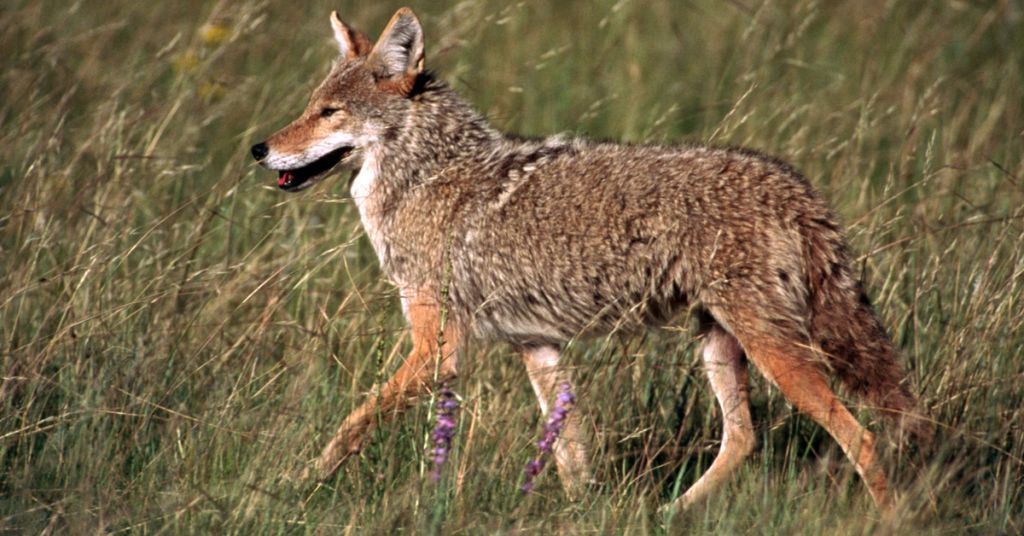
Coyote killing contests

Prized: Coyotes elicit a range of emotions—and actions—across Oregon. Photo: USFS

By Chuck Thompson. December 12, 2022. It’s hard out there for a coyote.

In the wilds of Oregon, few live past the age of four. The majority of pups die during their first year.

Endless hunting and scavenging take their toll, but one of their biggest threats to survival is human. Oregon classifies coyotes as unregulated predators that can be hunted or trapped at any time.

The lax regulations have given rise around the state, and especially east of the Cascades, to coyote killing contests, or “coyote derbies,” in which the animals are gang hunted for money, rifles and other prizes.

According to California-based Project Coyote, more than 1,000 Oregon coyotes have been killed in these annual contests over the last four years. Many of the contests take place on public lands. 

Now a group of 15 non-governmental agencies, including Project Coyote, has petitioned the Oregon Fish and Wildlife Commission to ban coyote killing contests.

Increased attention to the issue follows on Oregon House Bill 2728, aimed at ending all coyote killing contests in the state, which failed to pass during the 2021 legislative session.

In April, Tennessee Congressman Steve Cohen and 15 cosponsors introduced the Prohibit Wildlife Killing Contests Act to stop the practice of rewarding hunters for killing animals on public land in contests.

“Coyotes targeted by killing contests play an important ecological role in healthy ecosystems,” says Project Coyote. “For example, coyotes reduce rabbit and rodent populations, scavenge animal carcasses and increase biodiversity. These contests disregard ecological health and sound management. … There is no scientific evidence that indiscriminately killing coyotes reduces their populations, protects livestock or increases populations of ‘game’ animals like deer.”

MORE: Klickitat County’s sheriff has amassed a hound-hunter posse to kill cougars. Is it really all about public safety?

Meanwhile, the Congressional Sportsmen’s Foundation is mounting an effort to protect the hunting sprees, which, in an artless attempt at linguistic camouflage, it (and other hunting groups) refers to as “coyote calling contests.”

“Coyote calling contests are a time-honored tradition in Oregon that contribute to effective wildlife management, while also providing vital revenue for the state’s rural economies,” says the Washington, D.C.-based group. “The Congressional Sportsmen’s Foundation is opposed to the petition and is encouraging Oregon residents to contact the ODFW Commission to urge their rejection of the petition.”

The public will get a chance to listen in on the debate and provide testimony at the Oregon Fish and Wildlife Commission’s Dec. 16 meeting. The meeting begins at 8 a.m.

Those who would like to provide testimony virtually must register 48 hours in advance of the meeting. The meeting will be live streamed to YouTube and can be viewed here

More information on registration and viewing can be found here.

Chuck Thompson is editor of Columbia Insight.
Appreciate this story? Columbia Insight is a nonprofit environmental news organization. Your support helps fund the contributors who research, write, edit and fact check the stories we publish. Please click here to support our mission.

By |2023-02-09T16:34:15-08:0012/12/2022|Wildlife|3 Comments

A win for conservationists: Washington officially ends spring bear hunts

Hunters, wildlife advocates remain deeply divided after a narrow vote settles a hot-button issue

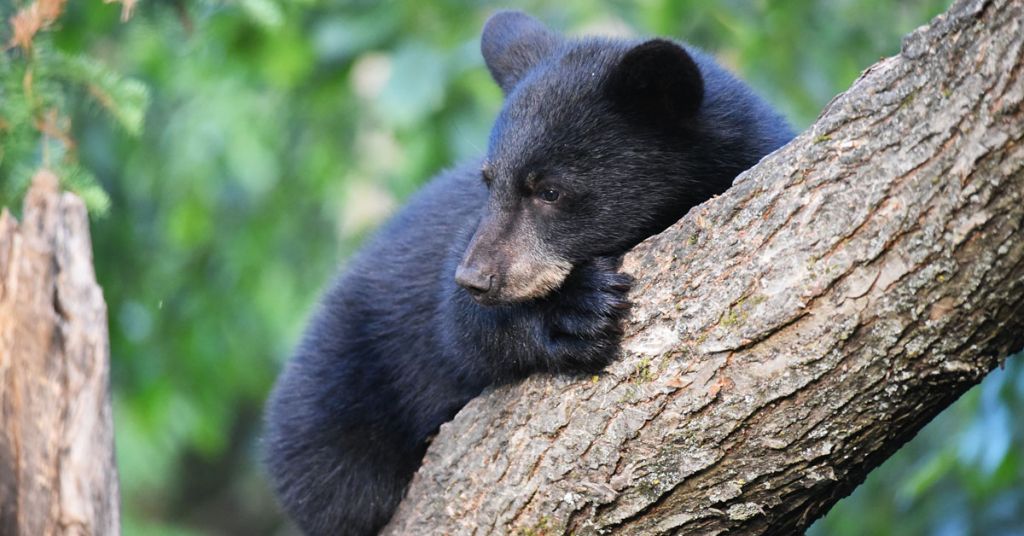
Black bear cub Photo by Courtney Celley USFWS

Spring forward: Motherless cubs were just one concern surrounding spring bear hunts. Photo: Courtney Celley/USFWS

By Chuck Thompson. November 22, 2022. Following years of often rancorous debate and impassioned testimony from hunters and conservationists, on Nov. 18 the Washington Fish and Wildlife Commission voted 5-4 to end recreational spring bear hunting in the state.

“However, the Commission discussed support for the Department to propose hunts that would use recreational licensed hunters when needed to address certain management objectives, such as timber damage, achieving ungulate management objectives or human-wildlife conflict issues and expressed that this was not precluded by the motion,” according to a Washington Department of Fish and Wildlife press release.

According to the Seattle Times, Washington has generally allowed yearly black bear hunting seasons in spring and fall for about 80 years. Other reports say the current iteration of the spring bear hunts dates to the 1970s or late 1990s.

Last week’s vote marks the end of the Commission’s extended consideration of the subject, which began more than two years ago after a coalition of advocacy groups challenged the hunts.

“This marks the end of a very long fight for Washington Wildlife First and thousands of dedicated wildlife advocates, and hopefully the start of a new era at WDFW,” wrote Claire Loebs Davis, president of Washington Wildlife First, in an email to Columbia Insight. “We applaud the commissioners for standing by their convictions under intense pressure, brutal criticism and sometimes even threats of violence.”

For some hunters, the decision was further evidence of a state agency out of touch with rural values.

“There’s little solace for sportsmen now more suspicious than ever about a Fish and Wildlife Commission yawing sharply to port,” wrote Northwest Sportsman magazine following the decision.

“The Washington Chapter of Backcountry Hunters & Anglers is disappointed in the Commission decision, not only in the outcome, but in the continued use of problematic language and statements that has persisted throughout this two-year ordeal,” the organization’s secretary, Dan Wilson, told Northwest Sportsman. “Once again, commissioners have interjected their personal biases onto a government oversight panel that is answerable to the citizens of Washington, including rural counties, indigenous communities, hunting stakeholders, private industry and department funding channels.”

Chuck Thompson is editor of Columbia Insight.
RELATED: Contentious spring bear hunt put on hold

RELATED: Bear habitat is disappearing as urban boundaries expand

Appreciate this story? Columbia Insight is a nonprofit environmental news organization. Your support helps fund the contributors who research, write, edit and fact check the stories we publish. Please click here to support our mission.

By |2023-01-05T09:22:35-08:0011/22/2022|Wildlife|1 Comment

Snake River dam leaks oil into river

Army Corps of Engineers says it has isolated a faulty turbine and is assessing the damaging

Snake River dams

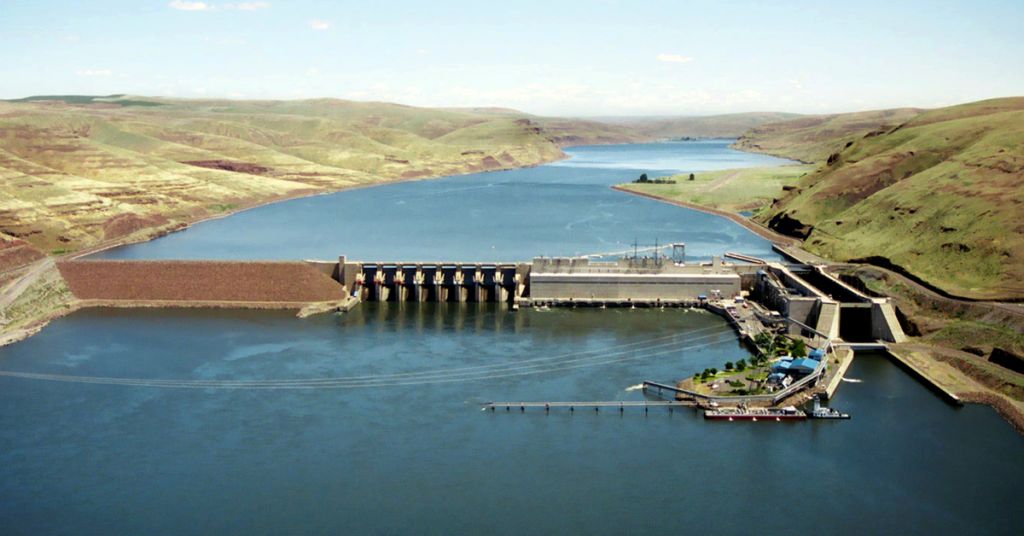
Not that little: Little Goose Dam is 2,655 feet long with an effective height of about 100 feet. Photo: USACE

By Chuck Thompson. November 16, 2022. On Oct. 25, the U.S. Army Corps of Engineers confirmed that between 300-600 gallons of oil has leaked into the Snake River.

The oil comes from one of six turbines used to produce hydroelectricity at the Little Goose Dam in Eastern Washington.

“Our team at Little Goose Dam took appropriate actions to remove the turbine from service, assess and contain the leak,” Paul Ocker, operations division chief for the Corp’s Walla Walla District, said in a press release. “The turbine will remain out of service and isolated from the river until repaired.”

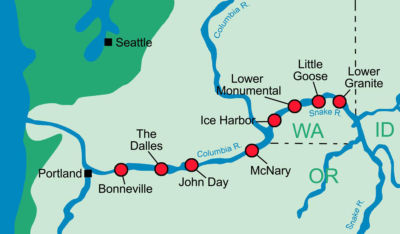
Dams on lower Columbia Snake River system

Power line: Little Goose is part of a network of hydroelectric dams in the Columbia-Snake system. Map: USACE

News of the leak, which continued for an estimated 90 days before being discovered, has been covered by numerous news organizations including NewsData, which reports that “as of Nov. 15, the volume of oil leaked into the Snake River is still under investigation.”

Little Goose Dam is one of four dams on the lower Snake River long targeted by environmentalists to be breached in order to allow for upriver fish passage.

It’s among the four Snake River dams included in Idaho Rep. Mike Simpson’s plan to breach dams under his $33 million Columbia Basin Initiative.

Chuck Thompson is editor of Columbia Insight.
RELATED: Breach on! Idaho Rep. Simpson calls for removal of Snake River dams

RELATED: Video: This 13-year-old environmentalist will amaze you

Appreciate this story? Columbia Insight is a nonprofit environmental news organization. Your support helps fund the contributors who research, write, edit and fact check the stories we publish. Please click here to support our mission.

Breach bill author cruises to reelection win

Idaho Rep. Mike Simpson’s plan for Snake River dams suddenly feels less controversial after decisive victory

Idaho U.S. Representative Mike Simpson courtesy of Office of Representative Mike Simpson

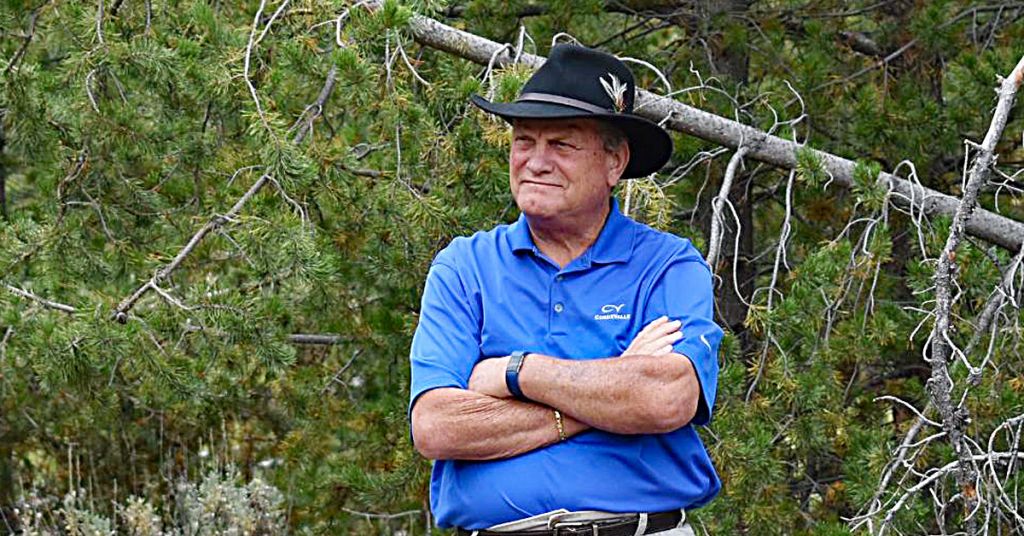
Enjoying the view: Idaho U.S. Rep. Mike Simpson will serve another term in Congress. Photo: Office of Rep. Mike Simpson

By Chuck Thompson. November 9, 2022. In October 2021, Columbia Insight reported on Idaho Falls attorney Bryan Smith’s plan to unseat veteran Idaho congressman Mike Simpson in the 2022 Republican primary.

A major issue, for Smith, was Simpsons’ $33 billion federal infrastructure plan to breach four controversial dams on the Lower Snake River. The plan would help restore salmon habitat and spur economic development.

Smith opposed the plan and suggested it’d be the political fulcrum on which he’d break Simpson.

“I believe that this issue will be the dividing issue that will help me win this race,” Smith told the Idaho Statesman in 2021.

Turns out, not so much.

In May, Simpson defeated Smith in the Republican primary by a margin of 54.6% to 32.7%.

On November 8, Simpson, 72, won a 13th term representing the eastern portion of the state in Idaho’s 2nd Congressional District by defeating Democrat Wendy Norman by a 63.5% to 36.4% margin (with 97.7% of counties reporting at time of publication). Simpson won the same seat in 2020 by a margin of 64.1% to 31.7% over Democratic challenger C. Aaron Swisher.

Election results across the Columbia River Basin will have major environmental consequences.

But Simpson’s win seems particularly worth noting given his place at the center of one of the region’s most contentious environmental issues. A progressive environmental stance doesn’t appear to have dented the veteran Republican’s popularity with Idaho voters.

Chuck Thompson is editor of Columbia Insight.
The views expressed in this article belong solely to its author and do not reflect the opinions of anyone else associated with Columbia Insight.

RELATED: 140 Miles: Snake River Stranglehold

RELATED: Rep. Mike Simpson breaks down plan to breach Snake River dams

Climate change now impacting wildlife migration

Declining vegetation is one of many factors imperiling animal populations by altering traditional migratory routes

Pronghorn migration disrupted

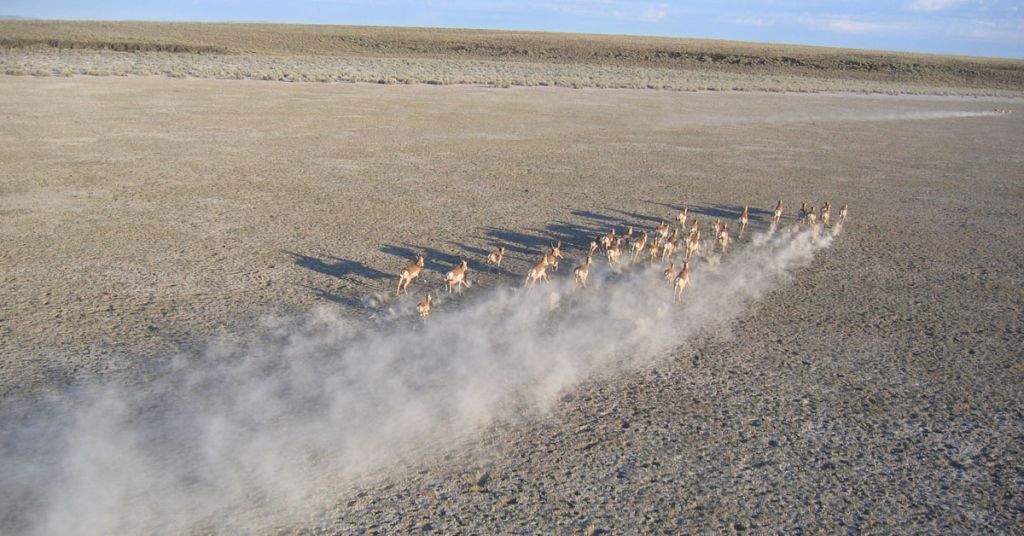
Moving portrait: A study says migration of animals such as these pronghorn in the Sheldon National Wildlife Refuge on the Oregon-Nevada border is being impacted in new ways. Photo: Gail Collins/USFWS

By Chuck Thompson. November 7, 2022. It’s well known that roads, fencing, residential and commercial development and industrial operations disrupt animal pathways.

Now we can add climate change to the ignominious list of impediments to the migratory movements of mule deer, elk, pronghorn and other ungulate species.

A new report from the Pew Charitable Trust says climate change is contributing to changing migration patterns across the West. The result is less vigorous herds and population declines.

“Climate change is altering the growth patterns and abundance of forage at key locations and times of year,” according to the report. “One of the primary ways in which climate change may affect migratory ungulates is by shortening growing seasons and increasing the frequency and intensity of droughts, which can reduce the forage that animals access along their migratory routes.”

The Wyoming Migration Initiative placed GPS collars on deer, elk, pronghorn and other migratory animals to gather information for the Pew report.

“A lot of people don’t associate wildlife movement with climate change,” Kathy Rinaldi, the Idaho conservation coordinator for the Greater Yellowstone Coalition, told the Idaho Statesman. “With a warming and drying climate, we’re already starting to see changes in precipitation, which ultimately changes vegetation.”

In addition, wrote the Statesman, when landscapes burn, native grasses and brush can be displaced by invasive plants that don’t provide proper nutrition for wildlife.

“When migration pathways are blocked or disrupted, animal populations tend to decline,” according to the Pew report. “Because animals in some species learn how and where to migrate from older members of the herd, disturbance of a route for more than a generation can mean the long-term or permanent loss of that inherited knowledge and, with it, vital nutritional and fitness resources.”

By |2023-01-28T14:05:08-08:0011/07/2022|Climate Change, Wildlife|0 Comments

Behind the line: The inside story of wildland firefighters

A new book explains the burn that motivates the people defending our forests and wilderness

Firefighter

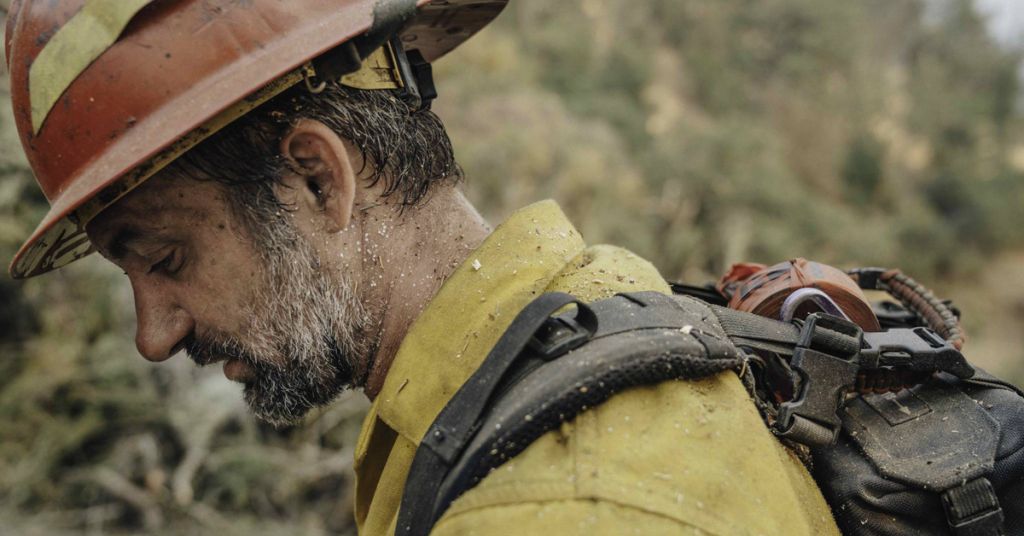
What’s he thinking? A new book explores the secret lives of firefighters, like this one from the documentaryWildland.Photo: Wildland/Kahlil Hudson

By Chuck Thompson, September 8, 2022. Bré Orcasitas is on a one-woman mission to teach us about firefighters. And get us beyond the easy platitudes that often keeps this insular community at arm’s length from a society—even as society is increasingly dependent not just on its service and courage, but its ability to muster enough bodies to protect our forests, grasslands and other fire-prone spaces.

Last year we published the firefighters’ heartfelt essay explaining the “great exodus” of men and women away from a job that often fails to pay them a wage commensurate with other hazardous professions. Or take care of them in times of tragedy.

Now Orcasitas is taking a different tack. As editor of a new book, Hold and Improve: A Collection of Awesomeness from the Edge of the Fireline, she’s out to demystify the culture of firefighters.

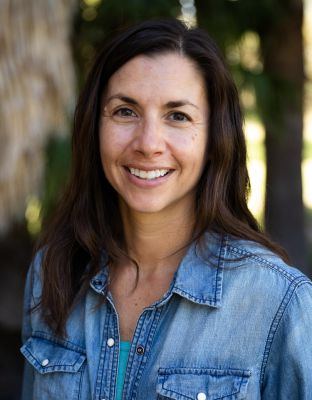
Firefighter Bré Orcasitas

Fighting for fighers: Bré Orcasitas. Photo Marie Wood

Gathering more than 20 extremely candid stories, poems and artwork from firefighters, Hold and Improve is an unexpectedly entertaining and often lighthearted look at a world filled with gallows humor, crazy experiences and insider jargon.

If you’re interested in firefighing you’ll definitely want to check out the lengthy glossary of firefighter terms and slang.

“So many books on the fire community are fatality related, tragedy related,” says Orcasitas. “I want to provide a secret passageway into what it’s like to be a wildland firefighter. It’s an all-access pass to what it’s like and I think that’s pretty cool.”

We think it’s pretty cool, too. So we asked Orcasitas about her latest project.

Columbia Insight: What does “Hold and Improve” mean?

Bré Orcasitas: “Hold and improve” is a fire command that essentially tells, say, a row of firefighters digging with their tools, that something has happened where they need to stop their forward progress. It’s a command that’s passed from one firefighter to the next and it means stay where you’re at and work in that space.

But it’s turned into this catchphrase used in all sorts of moments when you’re out in the field and you’re held up for whatever reason. So it’s kind of like we’re gonna sit around for an undetermined amount of time. And that’s when people have those moments of maybe sitting around a warming fire or waiting for something to happen and that’s when a lot of the storytelling happens. So it felt like the perfect title for this book.

CI: What qualities in a story made you think, “OK, I need to include this one”?

BO: I wanted to capture the camaraderie of the fire community on the page. I didn’t have any specific theme in mind except I really wanted it to be clear I wasn’t going to include stories that were traumatic, because we have spaces for people to read about those circumstances. There are some legendary things in the fire community that have happened. I wanted to hone in on those things.

CI: Wallace, Idaho, has a special place in the story of firefighting. The Ed Pulaski legend was born there, right?

BO: There’s a lot of folklore and legend in the fire culture and the story of Ed Pulaski [of the namesake Pulaski tool used by firefighters] is one of those. Wallace, Idaho, especially focuses around the Great Fire of 1910. It was catastrophic not just in Idaho but it was far-reaching across the country.

That was the home turf of Ed Pulaski. He had a significant standoff getting entrapped with a quite a few other firefighters and keeping [many] of them alive by shoving them into a mining cave and not allowing anyone to come out, as bad as people were panicked and ingesting smoke.

Firefighters

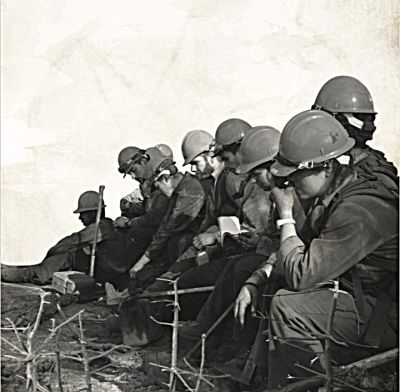
What’s the story? Firefighters like these at the Shasta Trinity National Forest Backbone Fire have lots of them. Photo: Bré Orcasitas

CI: Your fire lingo glossary runs 52 pages. To the outsider does it sometimes feel like firefighters are speaking a foreign language?

BO: Oh, absolutely. That’s like a third as long as it could have been!

With this book I wanted to keep the storytelling component true to the storyteller and how they would be telling this story to other firefighters out on the fireline or around a warming fire. I didn’t remove any of the fire terminology as they were telling their story. But I didn’t want people to get lost in the story if they didn’t know a certain term. It was pretty labor intensive to come up with the glossary.

CI: What should the public better understand about firefighters?

BO: The first thing that springs to mind is it is the largest community of altruistic people that I’ve ever been around. It’s a community of people truly driven by doing what’s right for the greater good. There’s a lot of pride in this job and people feel a significant sense of purpose in doing the job.

CI: Well, we certainly know firefighters aren’t in it for the money.

BO: That (altruism) is what drives people to continue to do the job in the face of the fact that the level of pay is essentially offensive versus the amount of risk involved in doing the job and what is expected of folks—like time away from home. It could be compared to someone who is in the military, with exception that in the military it’s recognized that a lot is put on them, so there are a lot of resources and assistance programs provided to members of the military. Whereas the fire community doesn’t have any of that.

CI: How would you like to see that corrected?

BO: Whenever it comes up if people hear talk of legislation for wildland firefighters I would say do what you can to support those measures, because they are desperately needed by the firefighting community.

firefighters

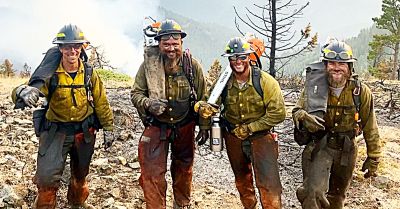
Why are these men smiling? “Hold and Improve” offers perspective. Photo: Delaware Dept. of Agriculture

CI: Can you give us a quick overview of your own career as a firefighter?

BO: I started my fire career through Americor, a couple years (1998-2000) on an emergency response team. I started fighting fire in the Midwest. Lots of fires. I’ve (since) worked on an engine, on a hotshot crew, as a helicopter rappeler, been a smoke jumper, done heat-stress research stuff. I was a field ops specialist. A pretty wide swatch all over North America fighting fire.

CI: Are you still active?

BO: I don’t work for the agencies anymore but I go out as an as-needed resource. I’m still active but not (working) as frequently.

CI: Are you already gathering submissions for Hold and Improve Volume Two?

BO: Not yet. The submission dates for volume two will run January to February 2023.

Hold and Improve is available for purchase through independent bookstores. It can be ordered via Barnes and Noble. More information is available on Orcasitas’ blog The Evolving Nomad.

Chuck Thompson is editor of Columbia Insight.
By |2025-12-03T14:51:16-08:0009/08/2022|Opinion|3 Comments

© Copyright 2013-2025 Columbia Insight. All Rights Reserved.

As a 501(c)3 nonprofit organization, all donations to Columbia Insight are tax deductible to the full extent of the law. Our nonprofit federal tax-exempt number is 82-4504894.