Skip to content

Stay Updated Subscribe today for the latest research + reporting about environmental news. Subscribe Now

Stay Updated Subscribe today for the latest research + reporting about environmental news.

Subscribe Now

Columbia Insight Logo
  • Climate Change
  • Energy
  • Land Use
  • Forestry
  • Opinion
  • Water
  • Wildfire
  • Wildlife
  • Events
  • About
    • Staff and Mission
    • Board of Directors
    • Our Funders
    • Policies and Standards
    • Writer’s Guidelines
Donate
Columbia Insight Logo
  • Climate Change
  • Energy
  • Land Use
  • Forestry
  • Opinion
  • Water
  • Wildfire
  • Wildlife
  • Events
  • About
    • Staff and Mission
    • Board of Directors
    • Our Funders
    • Policies and Standards
    • Writer’s Guidelines
Donate
Donate
  • Climate Change
  • Energy
  • Land Use
  • Forestry
  • Opinion
  • Water
  • Wildfire
  • Wildlife
  • Events
  • About
    • Staff and Mission
    • Board of Directors
    • Our Funders
    • Policies and Standards
    • Writer’s Guidelines
Popular

Gorge commissioner sounds alarm about Scenic Area’s future, resigns

January 13, 2026 • 5-minute read

Quagga fail: 90% of life killed in parts of Snake River section of copper treatment

September 2, 2025 • 6-minute read

Gov. Ferguson orders investigation of WDFW commissioners following hunting group’s petition, leaked letters

August 14, 2025 • 13-minute read

Banned since 1948, fish traps return to the Columbia River

November 13, 2025 • 9-minute read

Bateman Causeway: Decades-old salmon barrier finally being removed

December 16, 2025 • 8-minute read

EXCLUSIVE: Wash. Data Center Workgroup won’t recommend clean energy requirement

November 18, 2025 • 13-minute read

New wildlife area would see Umatilla Tribes regain access to ancestral homeland

September 11, 2025 • 8-minute read

Washington issues ‘lethal removal’ order for one of Sherman pack’s last wolves

October 23, 2025 • 7-minute read

The Glamp Divide: Can luxury and wilderness co-exist?

October 16, 2025 • 9-minute read

Rowena Fire claims historic house, causes evacuation of animal shelter

June 16, 2025 • 6-minute read

Gorge commissioner sounds alarm about Scenic Area’s future, resigns

January 13, 2026 • 5-minute read

Quagga fail: 90% of life killed in parts of Snake River section of copper treatment

September 2, 2025 • 6-minute read

Gov. Ferguson orders investigation of WDFW commissioners following hunting group’s petition, leaked letters

August 14, 2025 • 13-minute read

Banned since 1948, fish traps return to the Columbia River

November 13, 2025 • 9-minute read

Bateman Causeway: Decades-old salmon barrier finally being removed

December 16, 2025 • 8-minute read

EXCLUSIVE: Wash. Data Center Workgroup won’t recommend clean energy requirement

November 18, 2025 • 13-minute read

New wildlife area would see Umatilla Tribes regain access to ancestral homeland

September 11, 2025 • 8-minute read

Washington issues ‘lethal removal’ order for one of Sherman pack’s last wolves

October 23, 2025 • 7-minute read

The Glamp Divide: Can luxury and wilderness co-exist?

October 16, 2025 • 9-minute read

Rowena Fire claims historic house, causes evacuation of animal shelter

June 16, 2025 • 6-minute read
Salmon

Washington officials debate future of salmon hatcheries

Apr 19, 2023
1
4-minute read
Share Story

The state’s hatcheries management plan was developed without input from Washington treaty tribes. That may change
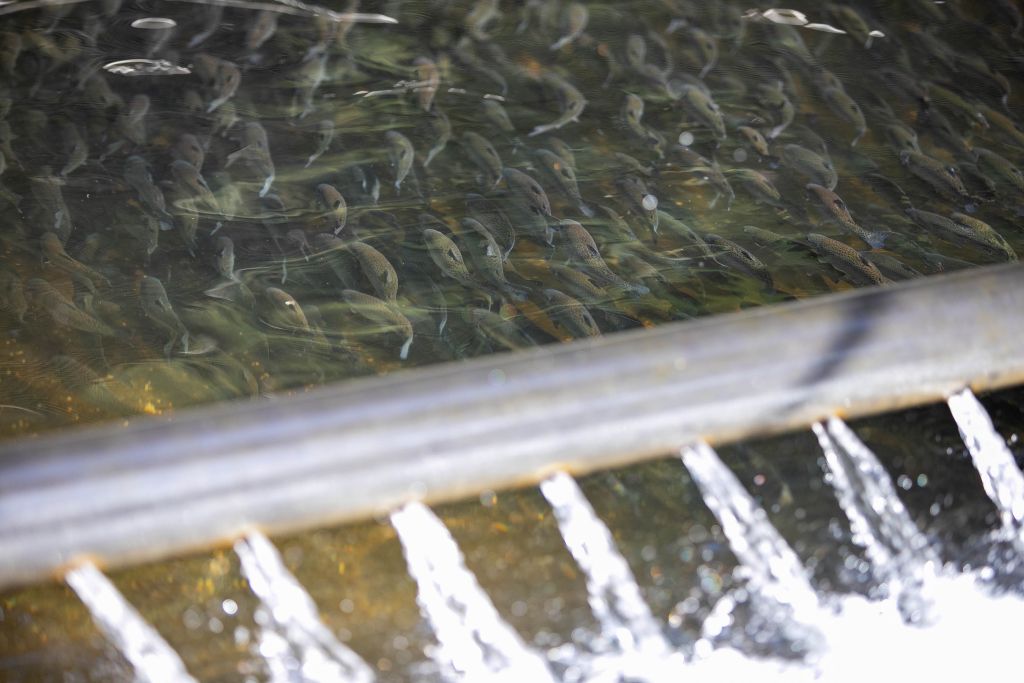
Salmon hatchery

Hard to handle: Some state commissioners want changes to the management plans for hatchery fish, like these trout at Whatcom Falls Trout Hatchery in Washington. Photo: Cascadia Daily News

By Julia Lerner/Cascadia Daily News, April 19, 2023. The Washington Fish and Wildlife Commission is considering the future of hatchery management as wild salmon populations continue to struggle and hatchery-raised fish fail to meet the growing demand.

Commissioners from across the state met for four days earlier this month in Anacortes, where they hammered out planning and operations for the department for the next several months.

During an April 8 meeting, commissioners discussed hatchery operations among other topics.

Washington has one of the largest hatchery systems in the United States.

The Department of Fish and Wildlife (WDFW) operates and manages dozens of them, producing millions of fish every year.

Currently, the state has a management plan in place for anadromous salmon and steelhead fish in hatcheries—referred to as 3624—which was adopted in April 2021 after almost three years of work. Under the policy, hatcheries address three designated concerns: conservation, mitigation and fishery supplementation. Under conservation programs, the hatcheries serve to bolster “depressed target wild salmon or steelhead populations that are in need of rebuilding or recovery,” according to the plan.

That plan, though, was developed without input from Washington treaty tribes.

“In that policy—3624—there was a statement that we would work toward developing a co-manager policy,” said Ken Warheit, chief scientist at the fish program for WDFW. “We have been working on this draft co-manager policy for about a year and a half now.”

On April 8, Warheit presented details of the draft co-manager policy, answered questions from commissioners and outlined the State Environmental Policy Act (SEPA) process for the policy.

The draft policy will apply to all co-managed anadromous salmon and steelhead programs in the state, and emphasizes tribal treaty rights—in place since the 1800s and fortified by the Boldt Decision—alongside “scientifically sound” policies.

Revisions questioned

While 3624 remains in place, commissioners wondered if the co-manager policy was necessary, or if it sufficiently emphasized environmental concerns.

“Why do we need to shift to this policy, as opposed to sticking with 3624?” asked commissioner Tim Ragen, a former Western Washington University professor and marine biologist. “In 3624, it’s clear that conservation is first. In this [co-manager] policy, it’s not so clear.”

Other commissioners, including Melanie Rowland, a former attorney for the National Oceanic and Atmospheric Administration, echoed Ragen’s concerns. The two questioned how the proposed policy emphasized conservation over the economy.

Though hatchery fish help prop up salmon populations for fishing and treaty requirements, the fish can pose challenges to wild salmon, including habitat competition and illness.

Many environmental leaders are questioning hatcheries’ efficacy as new science emerges, and considering how to balance the needs of local economies, treaty rights and the environment.

“There are some commissioners that have a different opinion than other commissioners about what the policy should look like,” said Warheit. “A lot of the questions were comparing the two policies.”

Several commissioners believe 3624 emphasizes conservation and recovery, while the draft co-manager policy emphasizes harvest, said Warheit, though he added there’s a lot of nuance and history to be considered, and one plan doesn’t necessarily emphasize conservation more than another.

The co-manager plan would not necessarily replace the existing 3624 policy, said Warheit.

“The two policies can coexist, but not for a particular hatchery program,” he said.

Commissioners haven’t made any decisions about the draft policy, other than to submit it for SEPA determination through the state.

Commissioners will next meet in June.

“The theme for the June meeting [is] to talk about these risks and benefits of hatchery production,” said Warheit.


Print Email

AP StoryShare
Columbia Insight is publishing this story as part of the AP StoryShare program, which allows newsrooms and publishing partners to republish each other’s stories and photos.

Share This Story

FacebookBlueskyLinkedInEmail

Related Posts

Court orders emergency measures to protect salmon, steelhead
Gallery

Court orders emergency measures to protect salmon, steelhead

Trump kiboshed salmon recovery deal. Can this plan fill the gap?
Gallery

Trump kiboshed salmon recovery deal. Can this plan fill the gap?

Bateman Causeway: Decades-old salmon barrier finally being removed
Gallery

Bateman Causeway: Decades-old salmon barrier finally being removed

Oregon court invalidates stealth changes to fish passage rules
Gallery

Oregon court invalidates stealth changes to fish passage rules

One Comment

  1. Roger Martin 07/10/2025 at 1:31 pm - Reply

    Treaties are Federal Law. When treaties were signed with indigenous people, there were some very rigid requirements, including meaningful consultation with the native people of the 1800s. Unfortunately, the law has been broken many times, and that is to the detriment of anyone who claims to value “law and order.”

Leave A Comment Cancel reply

Columbia Insight is nonprofit and free for everyone

Support Our Work


RELATED ARTICLES

  • Clifton Channel fish trap on the lower Columbia River in Oregon.
    Banned since 1948, fish traps return to the Columbia River

    Test sites are trying to prove they can catch hatchery salmon while protecting wild, endangered species

    Salmon
    Nov 13, 2025
    3
    8-minute read
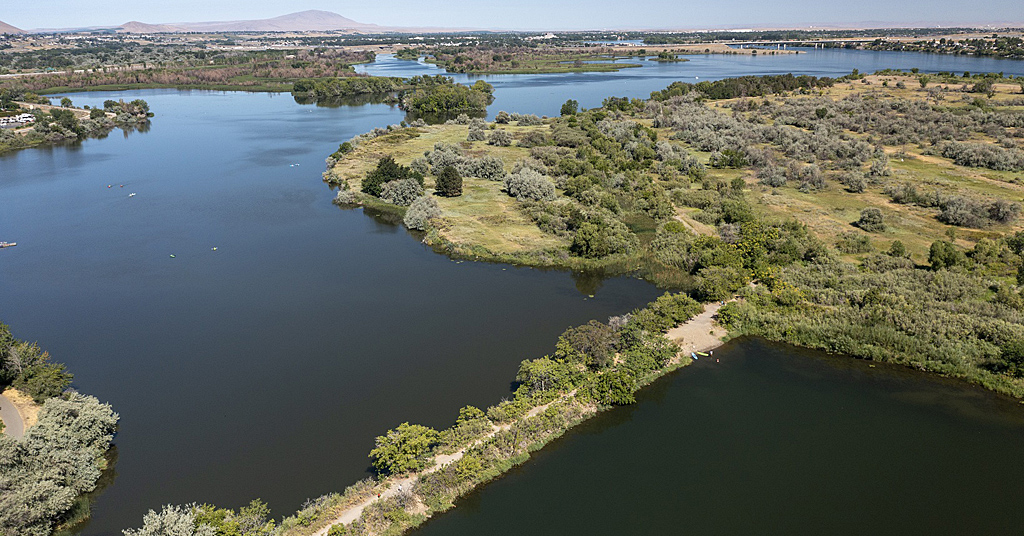
  • Stagnant waters created by causeway to Bateman Island in Richmond, Washington.
    Bateman Causeway: Decades-old salmon barrier finally being removed

    Tribes and conservationists cheer Corps of Engineers decision that closes hard-fought campaign on Yakima River

    Rivers
    Dec 16, 2025
    2
    7-minute read
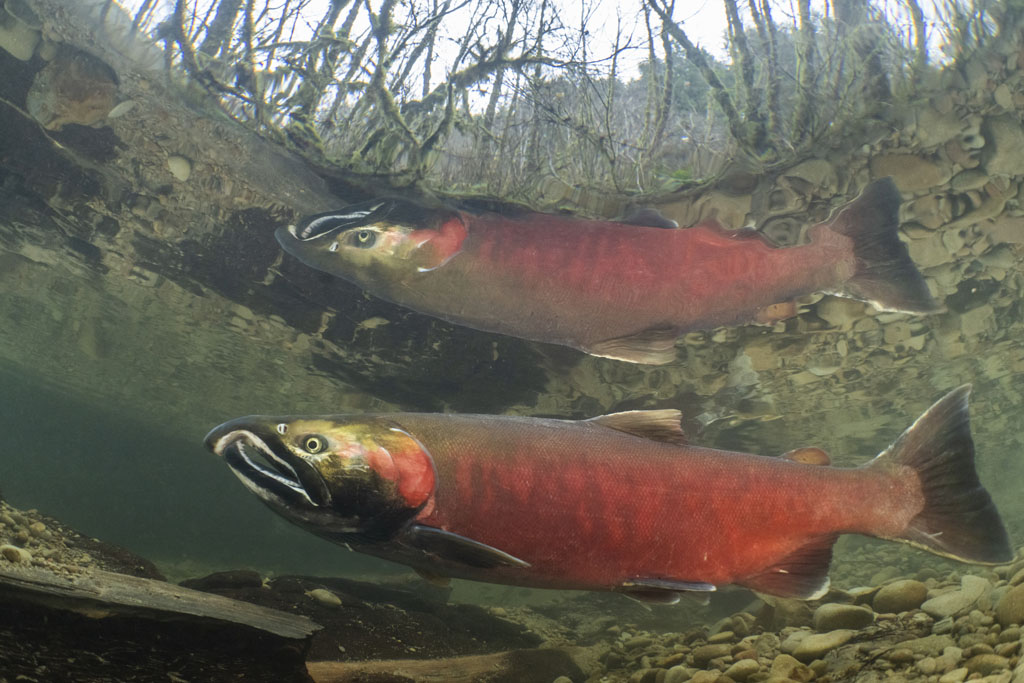
  • Coho Salmon in Oregon stream
    Oregon court invalidates stealth changes to fish passage rules

    Ruling says ODFW violated public notice requirements when it redefined fish passages to include trap-and-haul methods

    News
    Dec 8, 2025
    1
    7-minute read
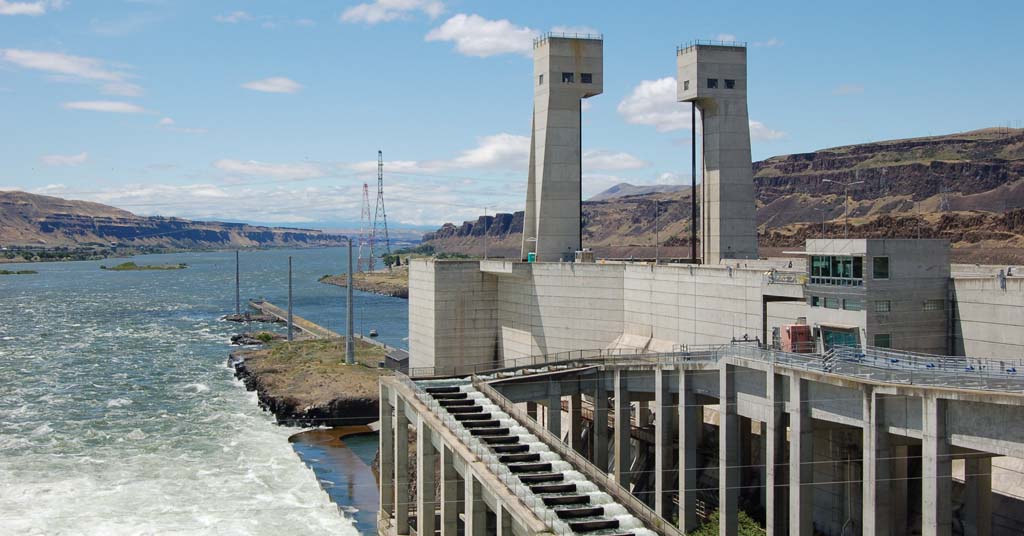
  • John Day Dam on Columbia River
    Trump kiboshed salmon recovery deal. Can this plan fill the gap?

    Northwest Power and Conservation Council’s latest fish program allocates $300 million per year on salmon recovery

    Dams
    Jan 13, 2026
    0
    4-minute read

Columbia Insight is nonprofit and free for everyone

Donate today for the latest research + reporting about environmental news.

Support Our Work


YOU MIGHT ALSO LIKE

Leavenworth National Fish Hatchery

SPECIAL REPORT: PNW hatcheries face rising costs, crumbling infrastructure

The region’s network of hatcheries sustains salmon populations. They’re in danger of mass failure

Salmon
Jul 10, 2025
0
10-minute read
Hunters and Hikers illo

Gov. Ferguson orders investigation of WDFW commissioners following hunting group’s petition, leaked letters

An out-of-state group angry over the end of spring bear hunts says the commission is guilty of “politicking” and “backroom dealing”

Government
Aug 14, 2025
36
12-minute read
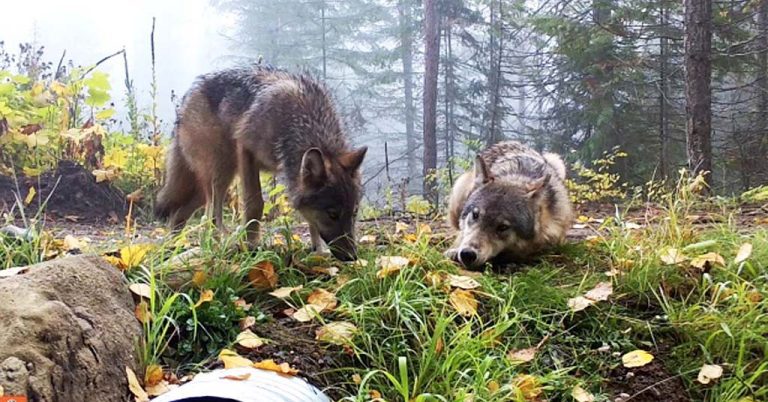
Wolves around a culvert

Washington issues ‘lethal removal’ order for one of Sherman pack’s last wolves

Environmental groups are concerned that 70% of WDFW wolf killings are being carried out on behalf of a single landowner

Wolves
Oct 23, 2025
11
6-minute read
Pac NW state capitols and wildlife

How much does your state spend on wildlife? Not what you think

The public wants species protection but lawmakers are struggling with dwindling funds, higher fees and a biodiversity crisis

Government
Jul 24, 2025
0
13-minute read

Get Columbia Insight
straight to
your inbox

Subscribe for free weekly updates on climate, water, wildlife, land use,
and energy in the Pacific Northwest.

Subscribe Today
Beauty after fire: This grass widow flower is one of many that has come up this winter in the area burned last summer at Catherine Creek in the Burdoin Fire on the Washington side of the Columbia River Gorge. Ash, high in nitrogen, enriches soil after a fire enhancing wildflower growth and bloom.
Aperture
Beauty after fire: This grass widow flower is one of many that has come up this winter in the area burned last summer at Catherine Creek in the Burdoin Fire on the Washington side of the Columbia River Gorge. Ash, high in nitrogen, enriches soil after a fire enhancing wildflower growth and bloom.
Photo: Jurgen Hess
Columbia Insight Logo
Donate Now

info@columbiainsight.org

Topics
    • Climate Change
    • Energy
    • Forestry
    • Land Use
  • Water
  • Wildfire
  • Wildlife
  • Opinion
About
  • About Columbia Insight
  • Board of Directors
  • Our Funders
  • Policies & Standards
  • Writer’s Guidelines
Columbia Insight Logo
Donate Now

info@columbiainsight.org

Topics
    • Climate Change
    • Energy
    • Forestry
    • Land Use
  • Water
  • Wildfire
  • Opinions
About
  • About Columbia Insight
  • Board of Directors
  • Position Openings
  • Our Funders
  • Policies & Standards
  • Writer’s Guidelines
Columbia Insight Logo
Donate Now

info@columbiainsight.org

Topics
    • Climate Change
    • Energy
    • Forestry
    • Land Use
  • Water
  • Wildfire
  • Opinions
About
  • About Columbia Insight
  • Board of Directors
  • Position Openings
  • Our Funders
  • Policies & Standards
  • Writer’s Guidelines

© Copyright 2013-2025 Columbia Insight. All Rights Reserved.

As a 501(c)3 nonprofit organization, all donations to Columbia Insight are tax deductible to the full extent of the law. Our nonprofit federal tax-exempt number is 82-4504894.

SUBSCRIBE

Get Columbia Insight straight to your inbox

Subscribe for free weekly updates on climate, water, wildlife, land use and energy in the Pacific Northwest.

We do not share our lists with anyone.

Already a subscriber? Click here for other ways to support Columbia Insight.