New curtailments will impact 1,500 water rights holders and local communities might need to restrict residential watering

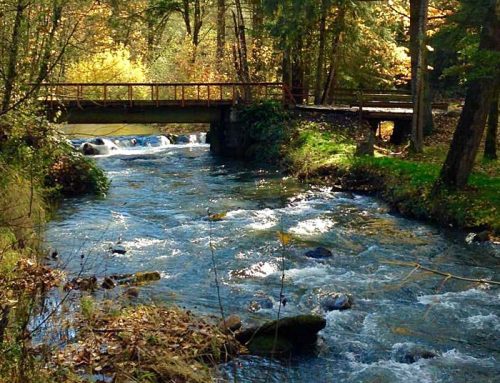
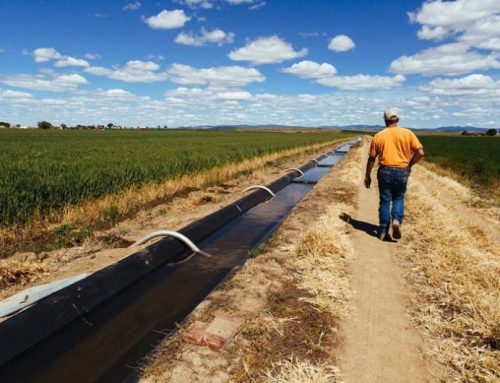
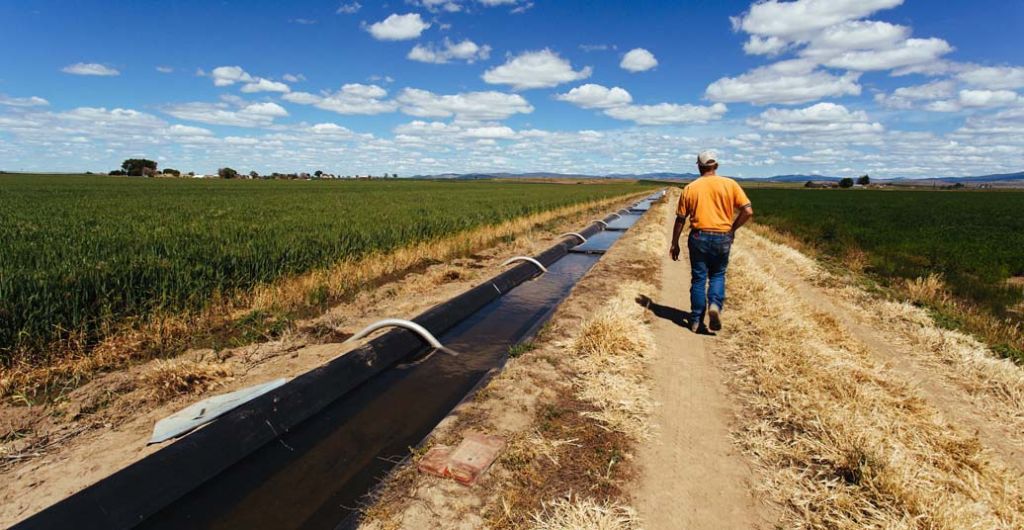
Wet and dry: A water shortage across the Yakima River Basin is threatening everything from farmers to salmon. Photo: Wash. Dept. of Ecology
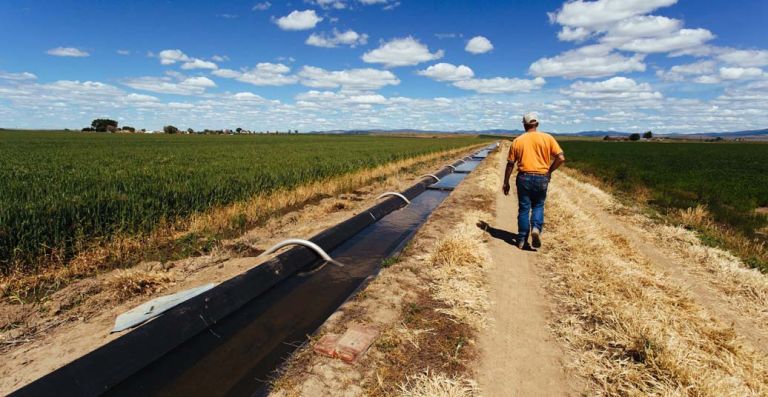
By Kendra Chamberlain. October 7, 2025. Washington’s Yakima River Basin has run out of water. After three years of drought, the Washington Department of Ecology is enacting what it calls an unprecedented halt to surface water use as local water resources effectively ran dry on Oct. 6.
“We have not experienced a drought like this in over 30 years, and it’s forcing us to take actions we’ve never done before,” Ria Berns, Ecology’s Water Resources program manager, said in a statement.
The good news is that the agricultural irrigation season is nearly over. Most water districts in the area would be winding down deliveries over the next few weeks in a normal water year.
But this marks the first time in decades that not even senior water rights holders can use surface water for irrigation for the remaining weeks of the season. The department said it will lift the restrictions on Oct. 31.
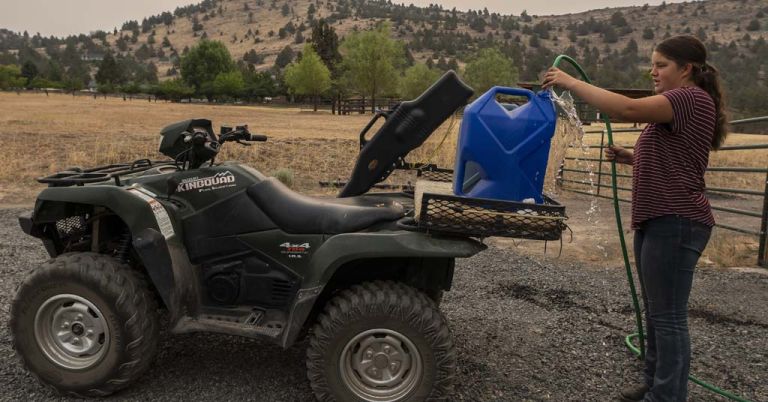
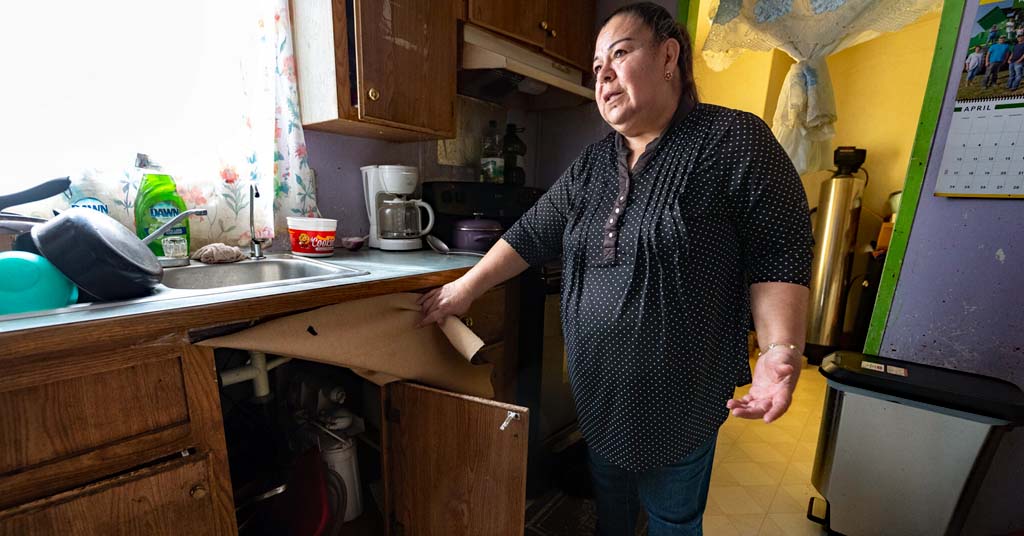
Ecology estimates water curtailments will impact 1,500 water rights holders in the valley. The department said local communities might also need to restrict residential watering.
“We know that restricting water diversions will impact communities across the Yakima Basin, but this is a necessary step to protect water for fish and senior water rights in the face of continued drought conditions,” said Berns.
Impact on fish
Salmon, steelhead, bull trout and lamprey in the Yakima River are in a precarious position. Years of low surface-water resources have led to water quality degradation, increases in water temperature and an explosion in water stargrass, a native aquatic plant that’s wreaking havoc on fish and irrigators alike.
Salmon populations are still recovering from a drought in 2015 that saw out-migrating salmon drop from 1 million to 200,000 fish.

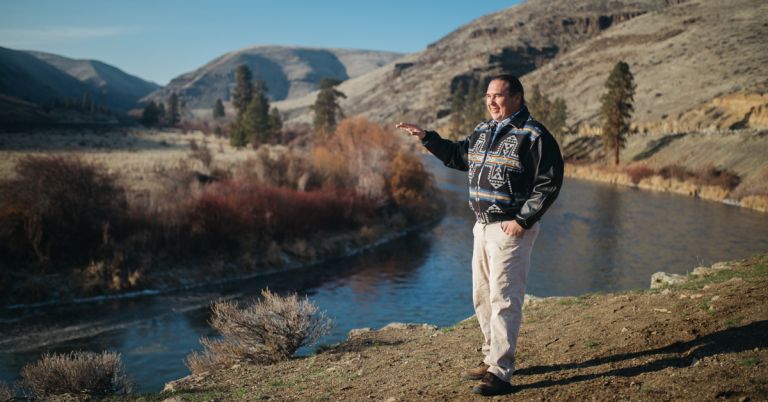
Casey Sixkiller. Photo: Wash. Dept. of Ecology
The last three years have been brutal for the region. Annual precipitation is down, snowpack levels in the Cascade Mountains aren’t rebounding and stream flows remain abnormally low.
With less water to store, reservoir levels have dwindled to historic lows. Storage for Yakima Project’s five reservoirs is down to 8%, according to the Yakima Herald. The Yakima Project provides irrigation water for a strip of fertile land that extends for 175 miles on both sides of the Yakima River in south-central Washington.
Drought declarations have covered 22 watersheds across the state as of June 2025, with snowpack melting a whopping 33 days earlier than last year.
Water managers say less water is the new normal.
“Low water supplies are becoming routine in Washington, and that includes on the wetter west side of our state. Washington’s water supply infrastructure is simply designed for precipitation and temperature patterns that are changing and are no longer reliable,” said Washington Department of Ecology Director Casey Sixkiller, during a June press conference. “This is the third year in a row that snow pack deficits or early and rapid melt have led to water supply impacts in Washington. Scientists are telling us this is the new normal.
“The conditions this year are what we can expect nearly every other year from now on. That means we need to be planning to deal with these impacts more as a rule than as an exception, and we all have a role to play.”