
The administration wants the public to believe new roads and logging help prevent fires. In fact, they facilitate more
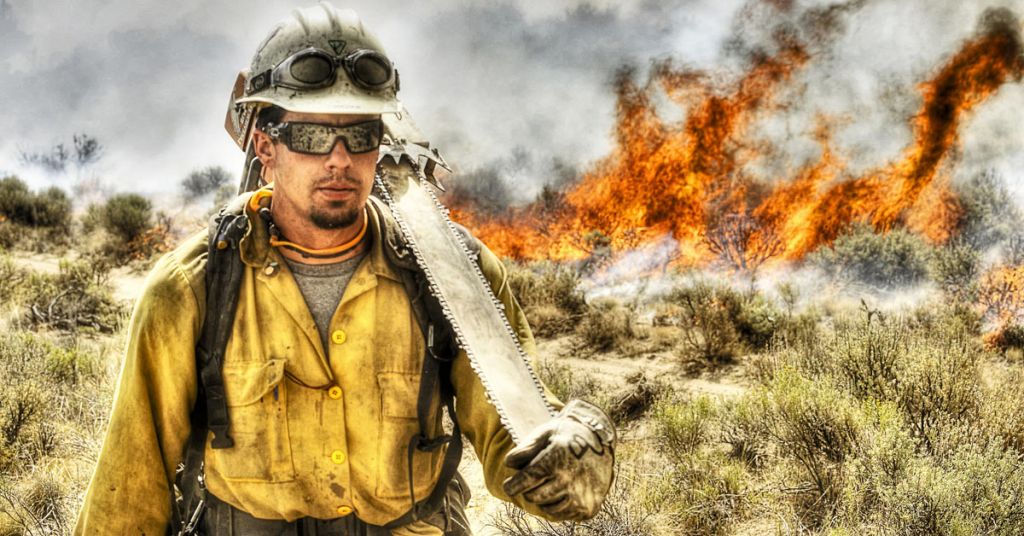
More roads, more people, more fires. Photo: Kevin Abel/BLM
By Timothy Ingalsbee, PhD. December 2, 2025. Building roads is one of the most devastating things you can do to backcountry native forests. Carved into steep mountain slopes, gravel roads are perpetual sources of sediment that pollute waterways, foul fish habitat, spread invasive weeds and invite unnatural wildfires.
Despite these risks, the Trump administration wants to revoke the Roadless Area Conservation Rule and bulldoze new roads into national forests, claiming that they are necessary for “wildfire prevention” and “fuels reduction” to improve firefighter efficiency.
This is a pants-on-fire false alarm that ignores scientific evidence and denies the last quarter-century of lived experience.
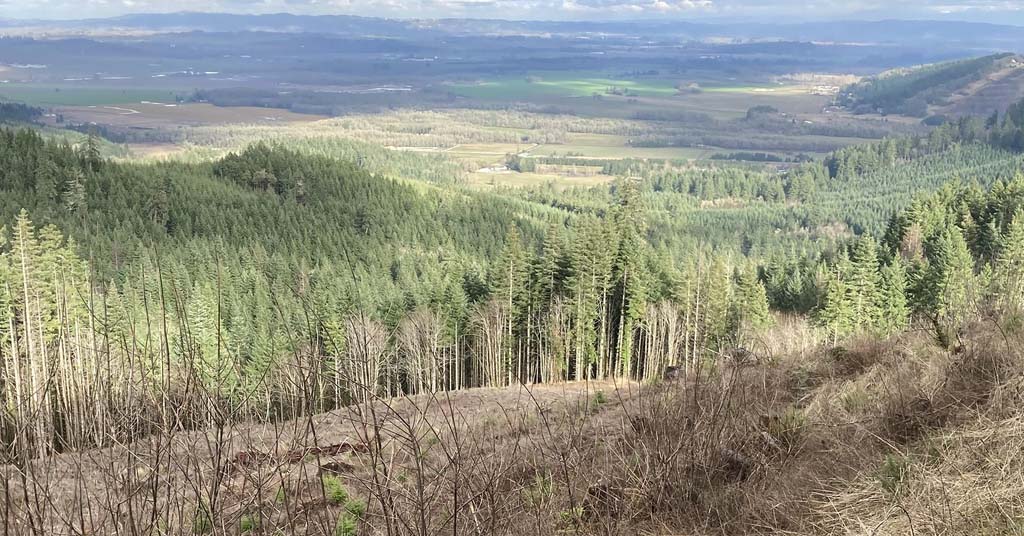
Building roads leads to the destruction of native forests. Roads are lifeless, linear clear-cuts that open doors for commercial logging that converts tree groves into slash-covered stump fields and tree farms, while logging roads become lined with thickets of shrubs and invasive weeds.
This kind of phony “fuels reduction” makes roads and logging sites much more flammable than the original native forest cover. Indeed, tree farms are like firebombs, and logging roads are their fuses. But the Trump administration wants the public to believe that road building and logging will help prevent wildfires because they seemingly aid firefighting.
In fact, roads are the most common ignition sites for human-caused wildfires. A scientific review of 1.5 million wildfire records covering a 20-year period discovered that people were responsible for 84% of all unplanned wildfire ignitions.
Ignited by logging operations, careless recreationists or criminal arsonists, the overwhelming majority of these human-caused wildfires were ignited near roads. As road density increased, so did the probability, number and frequency of wildfire ignitions.
The historical evidence is clear: roads did not and do not prevent wildfires, they actually facilitate them.
The administration’s claims that new roads will aid more efficient and effective firefighting fails basic logic, for without those roads there would be far fewer wildfires to fight. The administration’s primary goal in revoking the Roadless Rule is to expedite resource extraction, not aid fire suppression. New roads will be built to haul logs out, not put fires out.
In today’s climate-driven wildfires, conventional mechanized firefighting tactics are increasingly failing even in areas where there are already plenty of roads. Extending road-dependent, mechanized suppression strategies into road-less areas—some of the most rugged, remote and uninhabited regions left in the lower 48 states—will have even less chance of success and divert suppression resources away from where they are needed most: protecting homes and communities.
Roadless areas are some of the most fire-resilient landscapes we have left precisely because they have been relatively protected from the logging operations and wildfire ignitions that roads facilitate.
If anything, roadless wildlands need more fires put in, not put out, in order to enhance their resilience to climate change and the warmer, drier, stormier weather it is creating. Roadless areas are the very places where beneficial fire from low-intensity wildfires and large-scale prescribed fires can be safely managed free from risks to homes and communities. Well-trained fire crews and skilled pilots of “dragon drones” do not need logging roads to perform ecological fire management.
On top of the costly environmental damage, building more roads would also be an enormous drain on taxpayers. Even with the Roadless Rule in place, the Forest Service already has over 350,000 miles of logging roads in national forests—an amount that could circumnavigate the globe 14 times.
Building more roads would trigger a deeper maintenance backlog and cost billions in needed repairs, damages and costs that will be passed on to future generations in perpetuity.
Revoking the Roadless Rule will do no favors for wildland firefighters, only increase their risks and burdens to keep bolstering the failing and ultimately futile fire exclusion policies of the past century.
Firefighters motivated by conservation values and dedicated to protecting America’s wildlands are not willing to trade away ecological integrity for dubious claims of improved firefighter efficiency—not in our name, you don’t!
It’s time we throw cold water on the Trump administration’s false claims and phony aims. Keep the Roadless Area Conservation Rule intact and backcountry native forests free of new roads and stumps.
The views expressed in this article belong solely to its author and do not necessarily reflect the opinions of anyone else associated with Columbia Insight.










When I first heard of this direction that the T administration was going…. This has to be the dumbest idea ever!
“This is a pants-on-fire false alarm that ignores scientific evidence and denies the last quarter-century of lived experience.” Then again, there is NOT a single spec of scientific knowledge in this admin…
Unfortunately, the article is too long for most of them to read.
Thanks to Timothy Ingalsbee for a well thought out and fact filled opinion.