Stay Updated Subscribe today for the latest research + reporting about environmental news. Subscribe Now

Stay Updated Subscribe today for the latest research + reporting about environmental news.

Subscribe Now

Guest Author

Guest Author

About Guest Author

This author has not yet filled in any details.
So far Guest Author has created 149 blog entries.

Opinion: Why the Gorge pumped-hydro project is opposed by the Yakama Nation

Though not opposed to alternative energy sources, tribes have borne disproportionate impacts of green energy development
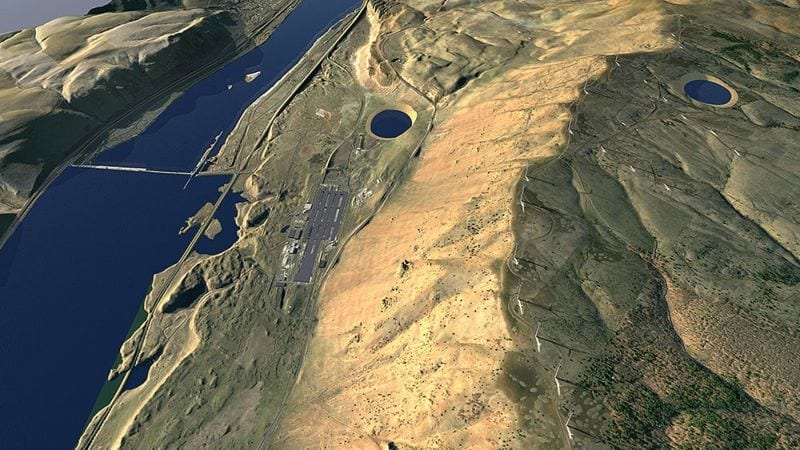
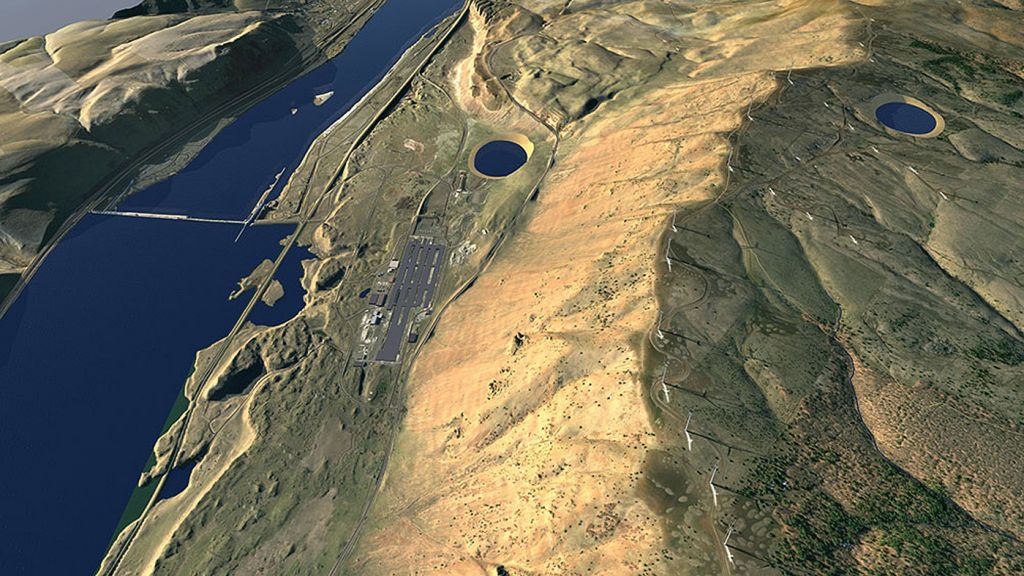
Proposed pumped-hydro project near Goldendale, Washington, reservoir locations. Photo from Washington Department of Ecology

Picture power: This rendering shows the position of reservoirs for the proposed pumped-hydro energy project relative to the Columbia River, John Day Dam, site of the former Columbia Gorge Aluminum smelter and ridgeline wind turbines. Image from Washington Department of Ecology

By Elaine Harvey and Jordan Rane. April 15, 2021. It’s been called one of the most monumental treaties and land grabs of its kind in U.S. history.

The 1855 Walla Walla Council, would bring five sovereign tribal nations of the Great Columbia Plateau to the Washington Valley, ceding millions of acres of Native land to the U.S. government.

In return, three separate Native American reservations would be established, including a 1,130,000-acre parcel in southern Washington granted to the Yakama Nation. The federal treaty would also provide rights for Yakamas to exercise “in common with” citizens of the United States at all “usual and accustomed” places within the treaty territory. This would become the supreme Law of the Land under the U.S. Constitution.

A Kah-milt-pa chief was one of the signatories of this 1855 agreement. In the Rock Creek Sub-basin and adjacent areas of Klickitat County, the treaty would serve to protect the homeland of the Kah-milt-pa Band of the Yakama Nation.
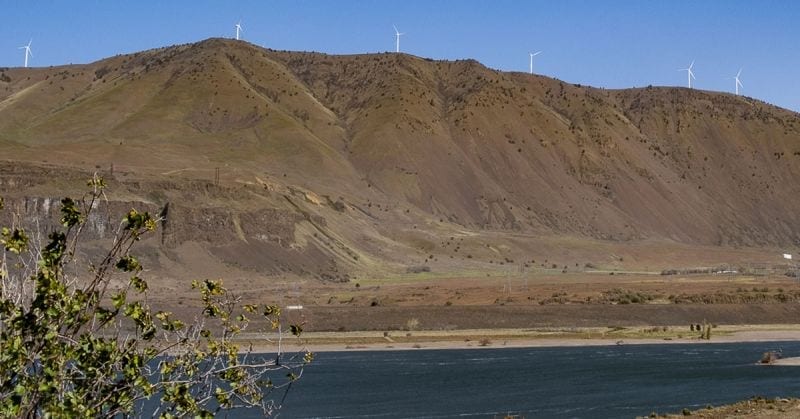
Proposed site for pumped-hydro site. Photo by Jurgen Hess, April 13, 2021

Valued land: The proposed site for the pumped-storage project—seen here from Oregon looking across the Columbia River—would impact cultural and traditional Yakama activity. The upper reservoir would be located just behind the highest point on the ridge. Photo by Jurgen Hess

Cut to over 150 years later, in a Columbia Basin landscape now streaked with dams, wind turbines and the toxic remnants of a shuttered aluminum smelter, a Kah-milt-pa signatory from that world-altering era would simply not recognize his own home.

The latest proposed development here—a massive, $2 billion pumped storage hydroelectric project located 20 miles south of Goldendale, Washington, on the banks of the Columbia River near the John Day Dam—threatens to slash deeper still into a historic agreement that has not lived up to its repeatedly marginalized promises.

Sacred site

The Yakama Nation, which has felt the encumbrances of green energy projects since the first dam was constructed on the N’chi Wana (Columbia River) over 80 years ago, has opposed the Goldendale Energy Storage Project from the start.

Situated directly on a sacred tribal site, the project directly impacts Yakama Nation cultural, archeological, ceremonial, monumental, burial petroglyph and ancestral use sites.

The pumped-hydro storage venture is spearheaded by Portland-based hydropower developer Rye Development and backed by Copenhagen Infrastructure Partners (CIP), a Danish investment firm specializing in green and renewable energy projects. The two companies have teamed up on a smaller pumped-storage system in Klamath County, Oregon—Swan Lake Energy Storage—that has recently secured a 50-year license from the Federal Energy Regulatory Commission (FERC).
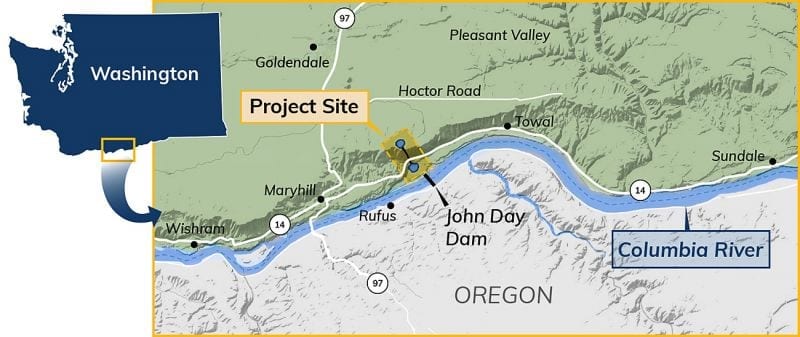
Proposed pumped-hydro project near Goldendale, Washington, project location. Image from Washington Department of Ecology

The much larger Goldendale proposal, which requires the creation of two reservoirs with underground water conveyance tunnels and electrical transmission lines, aims to be the largest hydroelectric project of its kind in the Northwest—with a proposed operation date set for 2028 if licensing is granted by FERC and the Washington Department of Ecology. Ecology has completed its scoping hearings for the project and is currently preparing a contract to begin work on an environmental impact statement.

MORE: Danish firm acquires pumped-hydro energy projects in Washington and Oregon

Although located on private land, the proposed site is also situated on Put-a-Lish—a sacred site to the Yakama. A place where there is an abundance of their traditional foods and medicines. 

The Area of Potential Effect (APE) will also directly impact Native American Traditional Cultural Properties, historic and archaeological resources, and access to exercise ceremonial practices and treaty rights.

The project site falls directly upon the ancestral village site of the Willa-witz-pum Band and the Yakama fishing site called As’num, where Yakama tribal fishermen continue to practice their fishing treaty rights.

Additional cultural resources will be affected as well, such as petroglyphs and other traditional cultural properties. 

How it works

You’d never know any of these issues existed if you listened only to the project’s sunny forecasts from Rye Development.

“We believe this project will be one of the cornerstones of Washington’s and the broader Pacific Northwest’s energy economy,” said Erik Steimle, Rye’s vice president of project development, during a recent Hood River County Webex presentation that was largely met with effusive praise and excitement by a small online group of staff and community attendees.

“The project once-constructed will create 1,200 megawatts of renewable electricity on demand—from two ponds,” added Steimle.
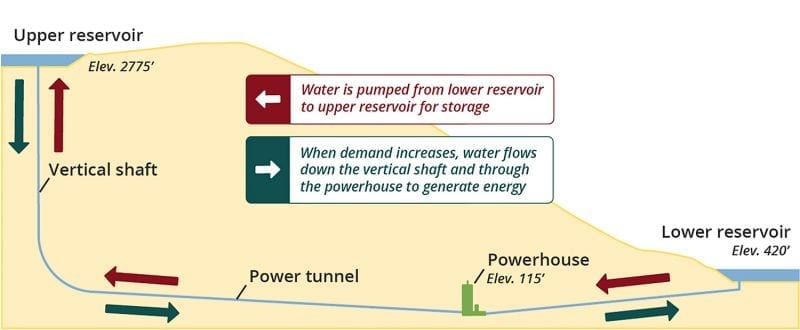
Proposed pumped-hydro project near Goldendale, Washington, project location. Image from Washington Department of Ecology

Pushing power: Transferring water between upper and lower reservoirs generates power. The project would need 360 acre-feet of water each year to replenish water lost through evaporation. Image from Washington Department of Ecology

The “ponds” are 61- and 63-acre reservoirs—an upper and lower reservoir with a 2,400-foot elevation differential—in the Columbia Gorge’s Bi-State Renewable Energy Zone. The “closed-loop” system would utilize a substantial amount of start-up water from the Columbia River in the amount of 7,640 acre-feet to fill up one of these receptacles—not including future Columbia re-tappings for evaporation loss, leakage and incidentals. (Given that water would be transferred between the two reservoirs as needed, only one reservoir would be filled at a time. —Ed.)

During peak demand times on the energy grid, water would be released from the upper reservoir through turbines to the lower reservoir to generate electricity. It would then be pumped back to the upper reservoir during lower (cheaper) demand periods and stored for future use—in a cyclic system Steimle touts as the “oldest form of storing energy and one that is widely recognized as the cheapest.”

“I would suggest that the opposition to this project—and there is some—is quite low,” Steimle replied during the Webex presentation, when eventually asked about any objections to the development.

MORE: Environmental justice at Hanford: Reconnecting Indigenous people to their land

When further asked about specific elements of Yakama opposition, not one of the Yakama Nation’s long-raised objections (including those voiced in this article) were mentioned.

“This is a traditional landscape for the Yakama Nation and they have concerns about additional development on this private land,” said Steimle, emphasizing that the company has consulted and been in conversation with the tribal council since the outset of the project, and has also worked with a Yakama cultural resources team at the tribe’s request to target areas that could be impacted. “One of the benefits of developing a project like this is that it is regulated by the FERC. Their timeline is long, and we have the patience to continue to have that conversation.”

Meanwhile, the Yakama Nation has submitted comments to federal agencies to oppose the project in order to protect the Yakama sacred site Put-a-Lish, cultural resources, water resources, a fishing access site, an ancestral village and wildlife habitat.

Coalition supports Yakama Nation

Wildlife biologists and the U.S. Fish and Wildlife Service have repeatedly voiced their own concerns that the two planned reservoirs will attract more birds to a spot already rife with wind-turbine bird kills.

“This history of mortalities shows a landscape already compromised by wind power infrastructure,” the USFWS has commented, regarding golden eagle deaths in an immediate area that is also home to bald eagle and prairie falcon nesting grounds. “The potential of the proposed Project to further alter the remaining laminar wind currents lends credence that resulting impacts to avian species would not be exclusive to wind power production in the area.”
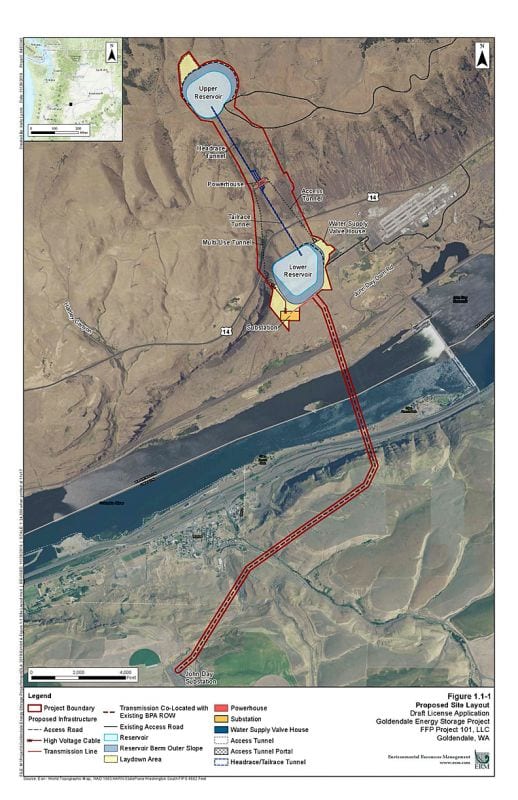
Proposed pumped-hydro project near Goldendale, Washington, project location. Image from Washington Department of Ecology

Connecting to the grid: The project would include a 3.13-mile-long, 500-kV transmission line routed from a substation south across the Columbia River connecting to the Bonneville Power Administration’s existing John Day Substation. Image from Washington Department of Ecology

In repeated comments, the USFWS has also expressed uncertainties about the developer’s announced plans to mitigate habitat loss as opposed to merely minimizing it. 

In solidarity with the Yakama Nation, over a dozen environmental organizations including Columbia Riverkeeper, The Sierra Club and the Audubon Society have issued a joint letter to Oregon and Washington governors and senators in their objection to the Goldendale Pump Storage Project.

“We don’t oppose pumped storage projects generally, but we do think that green energy that is going to obliterate tribal, cultural and religious resources is not OK. Nor is fast-tracking green energy on the backs of tribal nations,” says Columbia Riverkeeper staff attorney Simone Anter. “Looking at this area, these tribes have really borne disproportionate impacts of green energy development. We’ve seen the Yakama Nation lose access and be forced to work out different access agreements because of the wind turbines. We’ve seen traditional villages flooded by the John Day Dam. We’ve seen that up and down the Columbia.

“Rye Development has done a great job of muddling public opinion on Yakama Nation’s position. Especially when you’re looking at a site where the tribal opposition to development is so clear.”

MORE: Under Pressure: The Oregon community desperate for water

The N’chi Wana has always been home to many tribes and bands of the Yakama Nation, which has felt the encumbrances of green energy projects since the first dam of many to follow was constructed on this great river.

Celilo Falls was the most revered tribal fishing grounds to be desecrated on the Columbia, lost to dam construction. 

Fifty years later, wind farms came to the region and once again impacted Yakama cultural properties. 

Today an enormous water pumped-storage development is proposed on Yakama “usual and accustomed” treaty lands—where Kah-milt-pa continue to practice their traditional ceremonies at the Rock Creek longhouse in the lower sub-basin, and make their seasonal rounds throughout their usual and accustomed lands to gather their traditional foods.

Its impact would be irreversible and one more significant desecration to Yakama resources.

The views expressed in this article belong solely to its author and do not reflect the opinions of anyone else associated with Columbia Insight.

Elaine Harvey is from the Kah-milt-pa Band of the Yakama Nation and is a lifelong resident of Goldendale, Washington. She has been a fish biologist for the Yakama Nation Fisheries Program for the past 15 years with an M.S. in Resource Management and a B.S. in Fisheries and Aquatic Sciences. Elaine dedicates her career to conserving the traditional foods and lands so sacred to her people and sharing that knowledge with the younger generations.

 Jordan Rane is an award-winning outdoor writer whose work has appeared in CNN.com, OutsideMen’s Journal and the Los Angeles Times.

READ MORE INDIGENOUS ISSUES STORIES.

The Collins Foundation logo

The Collins Foundation is a supporter of Columbia Insight’s Indigenous Issues series.
By |2021-04-15T07:42:45-07:0004/15/2021|Energy, Indigenous Issues|7 Comments

Oregon DEQ says recreation in Malheur River unwise

Plans for a ‘water trail’ are being re-evaluated after report says the river in eastern Oregon has the second-worst water quality in the state

Business or pleasure? An important irrigation source for farmers, the Malheur River contains enough contaminants to sidetrack plans to make it a summer playground for swimmers. Photo by Bill Barrett/Creative Commons

By Griffin Hewitt, Argus Observer (Ontario, Oregon), April 7, 2021.  A new recreational water trail proposed by the city of Ontario, Oregon, will need to undergo changes before moving forward—likely being relocated to a different body of water.

The trail, which would utilize the lower Malheur River for floating purposes and include places to launch canoes and other small watercraft, was pitched to the Ontario City Council by City Manager Adam Brown in May 2020. In a meeting at that time he likened the idea to a similar plan in Michigan, from which he’d relocated.

According to documents released in late March from the Oregon Watershed Enhancement Board, however, the Malheur River has the second-worst water quality in the state, according to a rating by the Oregon Department of Environment Quality.

“DEQ doesn’t recommend recreating in the Malheur River near Ontario at this time because there are often high levels of bacteria in the water,” according to an email from Laura Gleim of Oregon DEQ. “The Snake River is a nearby alternative with better water quality that’s safer for recreating. Bacteria levels in the Malheur between Vale and Ontario are often above levels for safe contact recreation. Water quality starts to improve upstream of Vale, where Willow and Bully creeks enter the Malheur around river mile 20.” 

Gleim said exposure to high levels of bacteria by immersion or swimming in the water can lead to “gastrointestinal illness, such as diarrhea, nausea, vomiting and cramping.”

Gleim noted that over the past 20 years much work has been done to “improve water quality in the Malheur River, but there’s more to be done to get water quality back to safe levels for recreation. … The local Malheur Soil and Water Conservation District and Malheur Watershed Council are working really hard to improve conditions. Irrigation districts and farmers have been great partners in improving water quality over the past couple decades.”

The Malheur River is a 190-mile-long tributary of the Snake River in Eastern Oregon. The mouth of the river is located in Ontario. The river is heavily utilized for irrigation, especially in potato-growing areas along the Idaho-Oregon border. Its streamflow and tributaries are influenced by a complex system of irrigation diversions, siphons and canals. The river is known to contain high levels of dangerous sediment and nitrate.

Re-evaluating water trail

Asked for comment on how the watershed report might impact the future of the water-trail project, Ontario City Manager Adam Brown said in an email the city could put up signs warning against drinking or ingesting Malheur River water.

“It looks like they are getting some funding to get some cleaning,” wrote Brown. “What I thought I read, was that it was upstream a bit. So anything they do upstream will help us downstream.”

Brown said funds from Oregon Senator Ron Wyden’s proposed River Democracy Act could go toward the project, but said the city would have to wait to know for sure.

“We have considered putting up signs that warn against drinking or ingesting the water,” wrote Brown. “We may still do that. We don’t have an actual launch (site) right now, but there is a trailhead. Hopefully the focus on cleaning will come as we start adding the amenities so that it is a safe experience for everyone.” 

Sammy Castonguay, an Ontario Parks Committee member, acknowledged the river is dirty.

“Yes, the Malheur water quality is terrible,” said Castonguay. “(It’s a) major concern. … Friends of the Owyhee also recognizes the problem and sees this as a future opportunity for our community to engage in ecological stewardship and outdoor recreation.” 

The amount budgeted by the city for the water-trail project is $30,000, to be paid for out of the Marijuana Revenue Fund. Brown said no actual funds have been spent on the project so far.

He said city officials would reevaluate the water-trail plan, and could consider moving the drop-in site to the nearby Snake River.

“I will have to talk to the [Ontario City] Council about it,” said Brown. “Discuss it with them and get their approval.”

Leslie Thompson contributed to this story.

Columbia Insight is publishing this story as part of the AP StoryShare program, which allows newsrooms and publishing partners to republish each other’s stories and photos.

By |2021-04-07T16:24:32-07:0004/07/2021|Water|0 Comments

How to forage and create a wild salad

The ingredients for a wild, native salad could be growing nearby

Wild salad, foraged ingredients, 2021

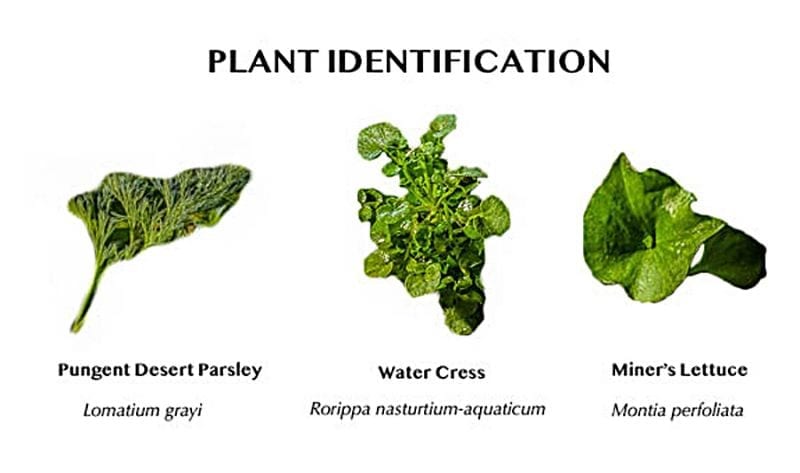
Spring greens: Ingredients foraged for this salad include miner’s lettuce, desert parsley and water cress. Photo by Suzi Conklin

By Suzi Conklin. April 1, 2021. Over the past year of the COVID-19 pandemic, we’ve seen how immune systems are a major factor in our ability to survive the virus. The human race didn’t get through millennia on manufactured medications and packaged foods.

We got here by eating and healing with what was found in nature. We once thrived on poultices, herb tinctures, food found in the wild and consumption of food raised on farms without chemical fertilizers and pesticides.

This is a good time to forage for those pure, unadulterated ingredients that can give us increased health. By seeking out food in the wild, even including backyards, we not only feed our bodies nutrition, we gain an education about wild foods. And have fun outdoors seeking edibles.

MORE: 7 best Basin B Corps

All it takes is a sense of adventure. And the right approach.

To quote Euell Gibbons, father of discovering edible wild foods: “One must approach wild food with the right attitude, both in the woods and on the table … unless you approach wild food with genuine interest and love, you will never become a skilled forager … Don’t make the error of thinking of these foods as substitutes for asparagus, potatoes and spinach or you will fail to appreciate them for their own very real merits.”

Building a wild salad base

I’ve had the pleasure of enjoying many ingredients from my own foraging. For others I’ve relied, again, on Gibbons.

“It isn’t the deep woods or the mountains where the edible wild things grow, it is abandoned farmsteads, old fields, fence rows, burned out open areas, roadsides, woodlots, around farm ponds, swampy areas and even vacant lots,” Gibbons wrote.

In building a salad, foundation ingredients might include miner’s lettuce and purslane.

Wild salad ingredients ID

Miner’s lettuce is a tender sweet green found all over the Columbia River Basin. It’s one of the few greens to include raw.

Purslane is great cooked in butter, but it can also be eaten raw. It’s incredibly high in folic acid, has seven times the beta-carotene of carrots and more vitamin E than spinach. It’s found almost everywhere in the United States—in driveways, between crops, in fields, wherever.

For some spice in the salad, add tender water cress, which is a lot like arugula. It can be found in ponds.

Wild salad ingredients

After the base, you can add some combination of ingredients that require cooking. These include mushrooms, wild asparagus, milkweed, cattails, wild mustard, nettles, wild onions, berries, elderberries, ground cherries, wild apples, chestnuts, acorns and sunflower seeds.

Intensely flavorful, some mushrooms can go raw into a salad. For most it’s best to cook them. They can be pickled, frittered, sautéed, sauced and steamed.

Wild asparagus is found where there are ditches, sandy soil and water.

Brassica nigra (black mustard)

Black mustard. Photo by Matt Lavin/Creative Commons

Milkweed is a fascinating plant. The bitter oozing milk you see when breaking a stem of the milkweed plant isn’t representative of its edibility. You can get four different dishes from milkweed. The shoots grow up to 6 inches high and are prepared like asparagus. The newly opened leaves are like spinach; unopened flower buds are like broccoli; and young pods can be cooked like okra.

Milkweed tastes like no other plant. Each of the four parts of the plant are extremely bitter until boiled and drained three or four times. Don’t start with cold water, as cold water tends to set the bitterness. You need to get the water boiling before putting the plant in the water.

MORE: How non-native plants fuel wildfires, degrade ecosystems

Cattails are found in marshes and can be delicious. Four parts of the plant can be prepared. My favorite is the bulb at the base of the stalk where the root begins. This part is tender, smells like corn when par-cooking and is delicious sautéed in butter.

Wild mustard should be boiled for 30 minutes before eating. Brassica nigra (black mustard) is probably the most common variety, but all Brassica varieties are edible.

Wild onions and nettles also need to be boiled before eating.

Now that the greens and savory ingredients are in the salad, add wild fruit. Berries are abundant in the woods and along roadways.

Most nutritious is the elderberry. Elderberries, though not edible raw, contain high levels of vitamin C, even when cooked and made into jams and jellies and mixed with other fruits. The flowers can be made into fritters.

Elderberry wine is not only loaded with vitamin C, it’s also a great source of vitamin B from the fermentation process. In a salad, the juice can be added to salad dressing as another source of high vitamin C content.

Ground cherries add a nice tart bite and wild apples are sweet.

To top off the salad, roasted chestnuts, roasted acorns (white oak acorns need no repeated boiling) and sunflower seeds give the salad a crunch and chewy bite.

Dress the salad with a vinaigrette composed of ¼ cup elderberry juice, 2 tablespoons wine vinegar, a heaping teaspoon of brown mustard, pinch of salt and 2 tablespoons real maple syrup. Blend well, then pour in a slow drizzle into a blender or while whisking in ½ cup of good oil like olive, avocado, walnut or other nut oil.

Caution when foraging

When foraging be thorough in identifying wild foods.

Spore tests are the ultimate test for determining if mushrooms are edible or poisonous.

You’ll need a trusted book on mushrooms to know what to look for in spores (All That the Rain Promises and More: A Hip Pocket Guide to Western Mushrooms, by David Arora is a good choice), but basically you remove the stem from a wild mushroom and place it cut-side down on a piece of white paper. Six to eight hours later, lift the mushroom cap to reveal a spore print. The color of the spores determines edibility.

Remember, even greens can be poisonous. When in doubt, don’t eat it!

Books and websites abound on which wild plants are edible and how to prepare them. The classic is Stalking the Wild Asparagus, by Euell Gibbons.

The best advice is to just get out there and start looking around.

Begin close to home and move outward. You’ll be amazed what you’ll find.

Suzi Conklin and her husband operated The WildFlower Café in Mosier, Oregon, where at the first Mother’s Day brunch wild edibles were used as garnish for quiche specials. She still forages on her land outside Mosier and studies to expand her palate.

Plant identification graphic by Isabelle Tavares. 

By |2023-05-30T19:18:40-07:0004/01/2021|Agriculture, Plants|1 Comment

In the Columbia River Basin, a push to use forestry to fight climate change

Montana’s Yaak Valley is one of the wildest places in the Lower 48. Environmentalists are pushing the Biden administration to make it a ‘climate refuge’

Yaak Valley sharpened 2016 Photo David Taylor

Carbon store: Part of the Kootenai National Forest, the Yaak Valley is the target of a 4,000-acre logging effort. Environmentalists want the Forest Service to start using it to address the climate crisis. Photo by David Taylor

By Judy Fahys, Inside Climate News. March 15, 2021. For Aaron Peterson, exploring the chattering Yaak River and wandering the forests surrounding it is no more complicated than clipping on cross-country skis outside his front door.

Roaming this northwestern corner of Montana sometimes feels risky when the weather’s warm because of the grizzlies in one of the Lower 48’s wildest places. But on winter days, when bears are hibernating beneath fresh snowfall, they’re not what gives Peterson spine-tingling chills. Instead, it’s the crystalline air and exhilarating calm.

“It’s still wild,” says Peterson, executive director of the Yaak Valley Forest Council and an advocate for keeping the Yaak exactly this way by turning it into a “Climate Refuge,” a sanctuary for wildlife and old forests.

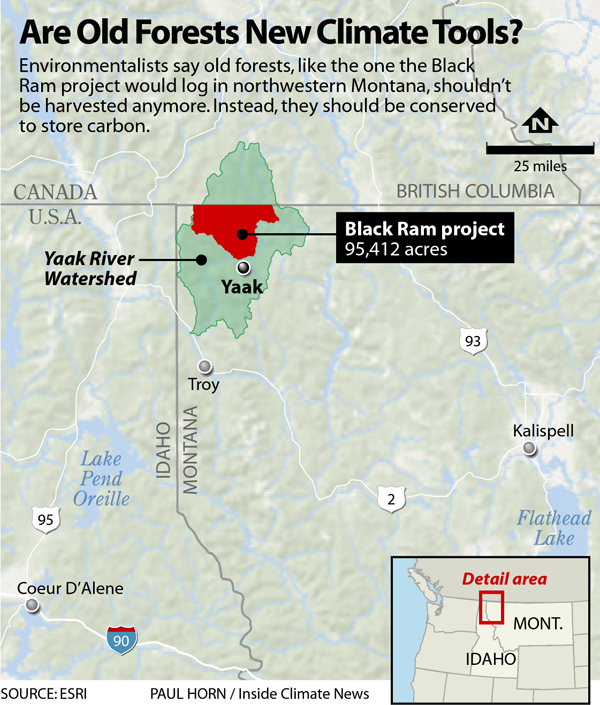
But that idea is threatened by the Kootenai National Forest’s plan for what’s called the Black Ram Project in the Yaak Valley along the Canadian border.

Blueprints for “active forest management” on more than 95,000 acres would allow a patchwork of commercial logging on about 4,000 acres that’s expected to yield about 57 million board feet of timber, as well as trail and habitat improvements and the removal of underbrush that could fuel wildfire.

Logging plans across Columbia River Basin

Black Ram was on the verge of final federal approval when the Yaak Valley Forest Council began pressing the Biden administration to stop it and recognize the area as a tool in the fight against climate change.

Peterson’s group has joined a nationwide coalition of conservation organizations fighting to preserve not only the Yaak Valley but wild forests across the Columbia River Basin and rest of the nation. The groups also drew attention to logging projects nearing approval in the Mt. Hood, Willamette, Umpqua, Rogue River and Winema National Forests in Oregon and the Salmon-Challis and Nez Perce-Clearwater National Forests in Idaho.

Former Vice President of the United States Joe Biden speaking with attendees at the 2020 Iowa State Education Association (ISEA) Legislative Conference at the Sheraton West Des Moines Hotel in West Des Moines, Iowa.

Same old? A Biden administration senior climate advisor oversaw the U.S. Forest Service. Agriculture Secretary Tom Vilsack served in the same position under President Obama. Photo by Gage Skidmore/Creative Commons

The End of the World Project in the Nez Perce-Clearwater National Forests would log over 17,000 acres, with more than 900 acres of clearcuts and 800 acres of logging old forest, in the process degrading habitat for fisher, lynx, wolverine and grizzly. The project could be implemented within months, the groups have warned.

The Flat Country Project in the Willamette National Forest would log 4,438 acres of forest up to 150 years old, including scattered old-growth trees, some over 600 years old. Logging will likely occur adjacent to the popular Mount Washington Wilderness. 

The Zigzag Integrated Resource Project in the Mt. Hood National Forest is a 1,863-acre project that includes logging mature native forest in some of the most popular recreation areas in the forest, as well as logging Riparian Reserves within critical habitat for coho and chinook salmon. A Forest Service decision on the project could be issued at any time, say conservation groups.

Along with the Black Ram Project in the Yaak Valley, these are just a handful of dozens of U.S. Forest Service decisions that would allow clear-cutting, commercial logging, pipeline construction, road building and reservoir creation in national forests across the country.

MORE: The Forest Service wants to limit protections on old trees

Peterson’s group has joined a nationwide coalition of conservation organizations fighting to preserve not only the Yaak Valley but wild forests across the Columbia River Basin and rest of the nation. 

The Biden administration, they argue, should start using forestland as a tool for addressing climate change. And that effort should begin with reversing decisions and pending actions approved by the Trump administration. That includes Black Ram.

“Leave it alone,” says Peterson, simplifying the legal and bureaucratic arguments. “Don’t mess with it.”

New administration, new forests agenda?

Reversing the Forest Service’s all-but-finalized decisions on Black Ram will have meaning far beyond the wildlands of Montana. Environmentalists and extractive industries alike see forest management decisions as a window into the new administration’s thinking about conservation and the use of forestlands to address the climate crisis.

Something as seemingly simple as starting to value forests for their capacity to store carbon, as opposed to the wood products they produce, would amount to a seismic change in the U.S. Forest Service, the Department of Agriculture behemoth of a bureaucracy that has evolved over more than a century. 

MORE: The secret power of old growth

Environmentalists are pushing hard for that shift.

“It’s a 180-degree turn, but it is doable,” says Randi Spivak, public lands director at the national conservation group the Center for Biological Diversity, who worries that the new administration doesn’t grasp how important older forests are. “We don’t know where the Biden administration is on this. We’ll see.”

Spivak’s group, the Yaak Valley Forest Council and dozens of environmental organizations want every forest decision made during the Trump administration reviewed to make sure they comply with the Biden administration’s stated goals for conservation and climate. The groups are hopeful about their chances partly because, during his first week in office, President Joe Biden signed executive orders signaling the end of the previous administration’s “energy dominance” agenda for public lands.

One executive order paused oil and gas leasing on federal lands until a Cabinet-level review could be done on the climate impacts of fossil-fuel emissions from drilling there. Another set a government-wide goal of protecting natural landscapes and biodiversity over 30% of federal land and waters by 2030—an initiative known as “30-by-30.” Both directives tasked federal leaders throughout the government with developing strategies “to safeguard our health, food supplies, biodiversity and the prosperity of every community.”

A natural climate change solution

Environmental groups have been thinking about this sort of conservation for years. The Center for Biological Diversity has an initiative called Saving Life on Earth. It calls for the United States to spend $100 million to create 500 new parks, national wildlife refuges and national marine sanctuaries, just like 30-by-30.

But it goes even further, pushing to conserve 50% of U.S. land and waters by 2050.

Then there’s the Climate Refuge idea advocated by the Yaak Valley Forest Council and, especially, its famous board chairman, nature writer Rick Bass. The designation would not only allow the Yaak Valley to continue storing carbon in its undisturbed forests and soils, but to “remain relatively buffered from climate change over time and enable the persistence of coveted physical, ecological and socio-cultural resources.”

Yet “not a single acre of the Yaak Valley is permanently protected” despite its species diversity, the important connecting corridors it provides to migrating wildlife and the fact that all but 3% of it is public land, according to the forest council’s web page.

Wreck the habitat with logging, access roads and new trails, the group says, and you’ve undercut the environment’s powerful capacity to serve as a carbon sink that absorbs the greenhouse gases blamed for the climate crisis.

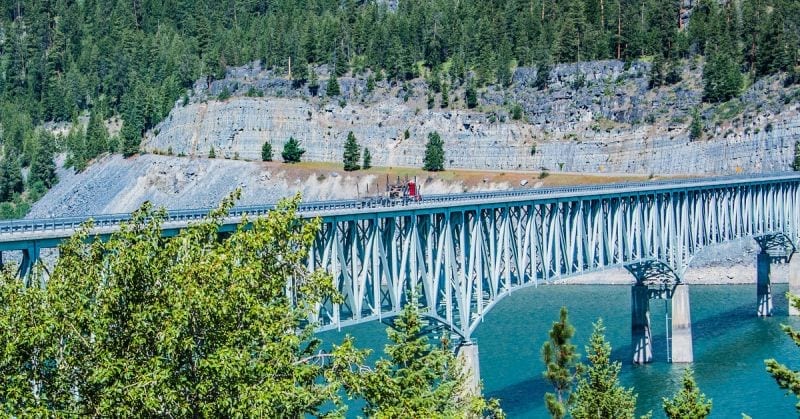
Koocanusa Bridge Yaak Valley, Montana photo by Ted McGrath/CC

Into the wild: The longest bridge in Montana, the 2,437-feet-long Koocanusa Bridge spans Lake Koocanusa, providing access to the Yaak Valley in the Kootenai National Forest. Photo by Ted McGrath/Creative Commons

“The Forest Service has failed the land and the people, in our opinion, on this project,” Bass told Montana Public Radio after Kootenai National Forest officials snubbed the groups’ objections to Black Ram.

Peterson said the Yaak Valley, where past logging has mostly focused around areas inhabited by people while leaving sensitive habitat intact, already plays the climate and conservation roles the Biden administration has in mind for public lands.

“It’s storing carbon; it’s already a natural climate solution,” he said. “It’s already natural infrastructure, a nature-based solution, a biodiversity hotspot.”

Fighting the Forest Service

Conservationists have dogged the new administration to revisit all the forest decisions finalized during the Trump administration.

They say Biden’s climate and conservation goals are at risk because of nearly finalized logging plans in a host of states from Alaska to Alabama, as part of projects with names like “End of the World” in Idaho and “Frozen Moose” in Montana. And, of course, there’s Black Ram.

Redband Trout Kootenai Falls, MT photo by Troy Smith/Creative Commons

Code red: Conservationists warn of the impact of logging on species such as redband trout, like this one caught near Kootenai Falls in Montana. Photo by Troy Smith/Creative Commons

Northwestern Montana contains about one-quarter of the state’s sensitive, threatened or endangered wildlife species and one of the nation’s six grizzly bear recovery areas, with about two dozen bears that make up North America’s most imperiled population, advocates say.

These wildlands provide vital habitat for cold-loving pikas, west slope cutthroat and redband trout, among other species that would be at risk from routine Forest Service activities like logging and road-building.

But the Trump administration’s Forest Service opted against an in-depth “environmental impact statement” and instead relied on a less rigorous “environmental assessment” when it decided last fall to allow Black Ram to proceed.

The Center for Biological Diversity, WildEarth Guardians and the Yaak Valley Forest Council quickly filed a legal protest.

The conservation groups accused the Forest Service of approving clear-cutting “under the guise of restoration” and of ignoring the cumulative climate impacts of other nearby logging projects, one of which calls for a single clear-cut over one-third of a square mile in size. Planting seedlings and saplings where old-growth and mature forests used to stand means losing up to 70% of the forest’s carbon-capturing power until the young trees mature, Spivak says.

“The climate crisis is the overriding environmental issue of our time, threatening to drastically modify ecosystems, alter coastlines, worsen extreme weather events, degrade public health and cause massive human displacement and suffering,” the groups wrote in a January letter urging the Biden administration to reverse the Forest Service decision that almost permitted Black Ram to proceed.

‘Active management’ ignores climate

The idea of using forestland as a tool to slow global warming has never been a significant factor in national policy. The Forest Service’s “multiple-use, sustained yield” mandate has traditionally been interpreted to promote harvesting timber from the nation’s forests the same way the Agriculture Department prioritizes other crops on the nation’s farmlands.

But that thinking is starting to change across public lands overseen by the Forest Service, an area larger than the state of Texas. A group of more than 200 scientists wrote last May to key congressional leaders and cautioned against continuing to neglect the value of healthy forests in the climate fight.

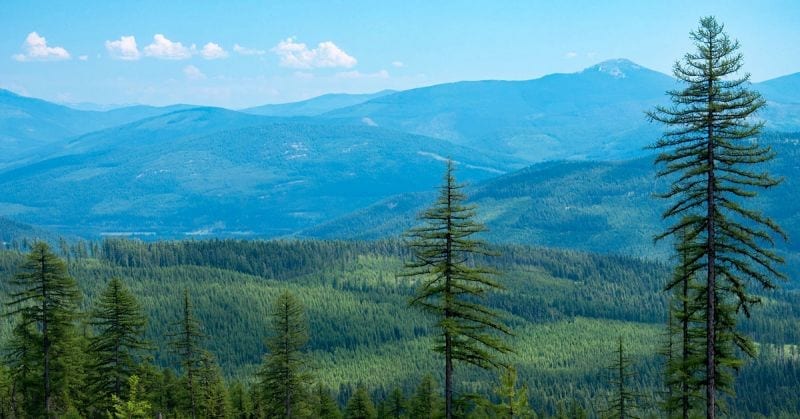
Mt. Henry and Yaak Valley from Garver Mountain on the Kootenai National Forest photo USFS

Grand opening: The Yaak Valley and Kootenai National Forest (here with Mt. Henry in the distance) is one of Montana’s most wild and biodiverse landscapes. Photo by USFS

“The growing consensus of scientific findings is that to effectively mitigate the worst impacts of climate change, we must not only move beyond fossil fuel consumption but must also substantially increase protection of our native forests in order to absorb more CO2 from the atmosphere and store more, not less, carbon in our forests,” they said.

The group added that annual carbon emissions from logging in U.S. forests are comparable to combined emissions from the residential and commercial sectors combined, with logging in U.S. forests emitting 617 million tons of CO2 each year.

MORE: Major development could be coming to Mound Hood

Meanwhile, climate considerations were absent from key moves by the Trump administration.  Nearly two years before signing the One Trillion Trees Initiative promoting tree-planting to conserve “the wonder of God’s creation,” Trump signed an executive order on Dec. 21, 2018, promoting “active management” to improve forest health and community safety.

The word “climate” cannot be found in either directive. Instead, federal agencies were ordered to ramp up public lands timber harvests to 4.4 billion board feet.

“Actions must be taken across landscapes to … enhance fuel reduction and forest-restoration projects that protect life and property, and to benefit rural economies through encouraging utilization of the by-products of forest restoration,” the Trump executive order says.

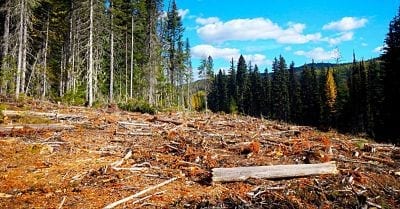
Clearcut swath seen from Pete Creek Road to the Canadian border. Credit: Anthony South, Yaak Landscape Photography, Yaak Valley Forest Council

All clear: This 2.5-mile clearcut swath in the Yaak Valley stretches to the Canadian border. Photo by Anthony South, Yaak Landscape Photography, Yaak Valley Forest Council

That approach mirrors the thinking in many western communities and in the forest products industry, which regard objections to projects like Black Ram as bad for the environment and don’t hesitate to bring climate into the discussion. For instance, the Washington, D.C.-based nonprofit, Healthy Forests, Healthy Communities, favors “active forest management”—cutting and replanting woodlands—to mitigate climate change.

In a web post raising alarm about Biden’s 30-by-30 executive order, the group noted that wildfires burned more than 4.9 million acres of U.S. Forest Service lands last year and devastated endangered species populations in the West.

“If the goal is conservation,” the post said, “shouldn’t we accelerate the use of active forest management tools to help mitigate the risks of wildfire, insects and disease on these federal lands?”

Sara Ghafouri, staff attorney for the American Forest Resource Council, a trade group affiliated with Healthy Forests, Healthy Communities, says federal land managers recognize the critical risks posed by beetles, drought, wildfire and poor management to forests and nearby communities. Harvesting timber from small areas—5.4% of the forests of Black Ram and 6% of nearby Knotty Pine—is part of the win-win of making forests more resilient to both wildfire and climate change, she says.

“Our industry is trying to be part of the climate solution,” she says. “If we’re really trying to address carbon on a broader scale and reduce our greenhouse gases, we need to think about harvested wood products as being part of the carbon solution, and that involves management of land.”

Biden administration may prove little different

For conservationists, neither the nation’s wildfire problem nor the related climate crisis can be solved by logging. Spivak says carbon-storage capacity and biodiversity are lost when old forests are cut down.

Writer and environmental activist Rick Bass.

Great notion: Author Rick Bass chairs the Yaak Valley Forest Council. Photo courtesy Mont. State University

“You don’t get those back in the blink of an eye,” she says. “No little tree seedling is going to replace those giants—certainly not in anyone’s lifetime.”

In the end, the arguments on either side might not amount to much, says Andy Stahl, a longtime forest conservation advocate and executive director of Forest Service Employees for Environmental Ethics.

He’s not expecting much change in a Biden administration that’s staffed its forest agencies with Obama-era officials with a weak record of climate change advocacy. Agriculture Secretary Tom Vilsack is in the same position he served in for Obama. And Vilsack’s senior advisor on climate is fellow Obama-era alum, Robert Bonnie, who as under secretary for Natural Resources and Environment at the U.S. Department of Agriculture helped oversee the Forest Service.

MORE: Firsthand account: He evacuated hours before the cabin burned

The Forest Service did not respond to a request for comment about how Black Ram and other forest projects fit into the Biden climate agenda. Instead, USDA spokesman Larry Moore sent an email stating the agency was reviewing pending and past decisions with Biden’s priorities in mind. That’s just what environmentalists have requested for the Black Ram Project in the Yaak Valley.

“We’re keeping our fingers crossed that we have made the case to them that this sale is a bad sale, a destructive sale and they need to change course,” says Spivak.

Conservation groups and the timber industry expect they’ll know more about Biden’s plans for Black Ram and other forests by the end of the month.

Salt Lake City-based Judy Fahys is the New Mountain West reporter for InsideClimateNews.org.

Columbia Insight is publishing this story in collaboration with InsideClimate News, a nonprofit, independent news organization that covers climate, energy and the environment. You can subscribe to the ICN newsletter here.

Appreciate this story? To support environmental journalism on Columbia Insight click here.

By |2023-07-07T09:23:44-07:0003/18/2021|Climate Change, Forestry, Public Lands|0 Comments

Electric cars and dams: An uncomfortable connection

EVs address climate change. Removing dams restores salmon habitat. But what if the former is at odds with the latter?

Hydro and EV full size

By Charles Coxe. March 11, 2021. Electric cars are coming—maybe faster and in greater numbers than you think. Even as overall car sales plunged, electric vehicle sales in 2020 increased globally by 43%—and that amid a pandemic, economic recession and average gas prices still less than $2.25 a gallon in the United States.

The escalating trend in EV ownership has massive implications for our existing power grid, called the Western Interconnection. According to a recent U.S. Department of Energy study, the nation’s demand for electricity could grow by as much as 38% by 2050. A big reason for that increase, ironically, comes from our desire to drive eco-friendly electric vehicles.

This is especially true in the Pacific Northwest. The top three states for EV market share are California, Washington and Oregon. Seattle is pushing to have a third of its drivers behind the wheel of an EV by the end of the decade.

MORE: EVs in Eastern Oregon

While electric cars don’t guzzle gas, they do pound power: The average electric vehicle requires 30 kilowatt-hours to travel 100 miles, according to research by the PEW Charitable Trusts. That’s roughly the amount the average American home requires to power everything happening inside its walls, from lights and laundry to computers and air conditioning, for an entire day. By 2030, the State of California estimates EVs will consume 17 billion kilowatt-hours of electricity in the Golden State alone, or 5.4 percent of the state’s entire energy supply.

Where will all of this electricity come from?

Why breach a dam?

Compared with the rest of the country, residents of the Columbia River Basin have historically enjoyed cheap, abundant power. Although hydroelectric provides only 8% of the national power supply, more than half of the electricity used in Idaho and Oregon—and as much as 74 percent in Washington—comes from hydropower produced by dams. Without dams, the Pacific Northwest as it exists today could not have been created nor could it continue to be maintained.

Dalles Dam by Jurgen Hess

Power tie: While dams have provided the Pacific Northwest with seemingly unlimited power, by one account they’ve cut off 55% of the Columbia River Basin’s fish habitat. Photo by Jurgen Hess

Although it’s tough to deny the value of the virtually emission-free power they produce, however, dams aren’t nearly as eco-friendly as many once believed.

A study by the Environmental Defense Fund found that while dams themselves don’t contribute to greenhouse gas emissions, the warming, stagnant reservoirs that collect behind them do. Slack water lakes can sometimes contribute more carbon dioxide and methane to the atmosphere than a plant burning fossil fuel. Reservoirs are also prone to filling with toxic algal blooms, which create numerous environmental problems. Add to that the monumental obstacle they present to salmon, steelhead and other native fish species, and you understand the rationale for an unfavorable view of dams and hydropower.

No wonder the trend for dam removals has picked up steam across the country. According to conservation group American Rivers, 160 U.S. dams have been removed over the past two years. Those removals have reopened more than 1,598 miles of upstream rivers, many in the Pacific Northwest.

Those figures don’t even include the upcoming largest dam removal project ever attempted, on the Klamath River in California, where four dams are slated for removal beginning in 2022. Or the $34 billion plan Idaho Rep. Mike Simpson unexpectedly announced in January to breach four controversial dams on the Lower Snake River in southeastern Washington.

MORE: ‘The stars are aligned’: Rep. Mike Simpson breaks down plan to breach Snake River dams

Environmentalists have celebrated the decommissioning of dams. But are we sure this is entirely a good thing?

From the perspective of near-extinct salmon, or Indigenous cultures built around them, undoubtedly so. The 2020 removal of a diversion dam on the Middle Fork Nooksack River near Bellingham, Washington, opened up 16 miles of salmon habitat in the hope that once they un-build it, the fish will come.

Experience is showing that can happen even sooner than expected. Just a decade after the Marmot Dam was removed from Oregon’s Sandy River in 2007, the number of spring chinook, winter steelhead and coho salmon returning to spawn jumped to levels not seen in 40 years.

“Since 2007, salmon and steelhead in the Sandy River have been out-performing similar populations in nearby basins,” says Oregon Department of Fish and Wildlife North Willamette district fish biologist Ben Walczak. “This increase can likely be attributed to the removal of Marmot Dam coupled with intense stream restoration in the upper basin.”

Even so, any serious conversation about removing dams should weigh the cost of removing their clean’ish electricity potential against future energy needs—especially as EVs proliferate.

Electric relationship

Those four dams on the Lower Snake River—Ice Harbor, Lower Monumental, Little Goose, Lower Granite—are at the center of one of the longest-running and most consequential environmental battles in the Columbia River Basin. New life was breathed into the decades-long effort by conservationists to get rid of them when Rep. Simpson unveiled his sweeping plan to breach all four dams in hope of ending what he called “the Salmon Wars.”

More, more, more: Power-hungry EVs are becoming common around the Columbia River Basin. Photo by Jurgen Hess

The centerpiece of the argument to remove the dams is that, largely due to the emergence of wind and solar power, the dams are now money losers that have become hydroelectric redundancies on the larger power system while also, by the way, compromising the entire Snake River eco-system. Power from the dams is marketed by the Bonneville Power Administration.

“The BPA was having financial difficulties and they still are—the problem is they are not the cheapest power in the Pacific Northwest anymore,” Simpson recently told Columbia Insight. “Rural electrics will be looking outside of the BPA to buy their power to be able to get it more cheaply.”

MORE: No surrender: Coalition to sue feds over Snake River dams … again

Yet for all their faults, those four Lower Snake River dams generate 1,004 megawatts (MW) of power on average annually, with a capability of generating up to 3,000 MW, according to the BPA. One megawatt is about what it takes to power 796 Northwest homes for a year, according to the Northwest Power and Conservation Council.

When looking at a state like California needing 17 billion kilowatts, the potential loss of a million kilowatts here or there may feel like a drop in the bucket. And, as Spokane’s Spokesman-Review recently reported, the four Lower Snake River dams produce only a fraction of the energy that feeds into the Pacific Northwest’s power grid.

But when dams are taken offline that lost energy supply might need to be made up somewhere.

Although wind and solar power become more prominent sources of electricity each year—up to 7.1% and 1.7% of the U.S. supply in 2019, respectively—their current capacity doesn’t come close to filling anticipated future consumption demand. Power shortages may still need to be met by the costly and dirty burning of fossil fuels.

In 2018, the NW Energy Coalition found the energy produced by the four Lower Snake River dams could be replaced by a mix of other clean energy sources. Energy industry advocates refuted those calculations, calling them outdated and incomplete.

Changing behaviors

As with many modern challenges, at least part of the solution to balancing increased EV power demand with decreased supply of traditional electricity sources will simply require working smarter. According to the National Hydropower Association, America’s hydro capacity could be doubled without building a single new dam if we invest in improving efficiency and capacity at already existing facilities, and explore adding turbines to dams that aren’t currently generating power.

Idaho U.S. Representative Mike Simpson courtesy of Office of Representative Mike Simpson

Power player: Idaho Rep. Mike Simpson wants to breach the Lower Snake River dams. Courtesy of Office of Representative Mike Simpson

While solar and wind power have limitations, each year brings improvements and incremental progress in efficiency.

Proposals stemming out of new research might open pathways to at least partial answers. A recent Department of Energy study, for example, determined that (inevitably controversial) offshore wind turbines along the Oregon coast could generate 2 to 3 gigawatts of electricity—enough to power a million homes in the Pacific Northwest.

A large part of controlling the impacts of increased electricity demand will be controlling its timing. If all those new EV drivers charge their cars as soon as they get home from work, during the time of peak demand, delivery systems could likely be overloaded. But convincing owners to charge during overnight hours when demand is low—an objective that can be accomplished through education, time-of-use variable pricing structures and smart chargers—can flatten demand peaks and actually help the overall transmission grid.

And although electricity consumption is expected to rise, the past 20 years actually defied projections, with nationwide energy use unexpectedly dropping by 7% per person, mostly thanks to small improvements in energy efficiency that will likely continue.

Smaller measures individually won’t meet all of the increased need—especially as American roads become dominated by electric vehicles—but taken together, they can have a much larger impact.

This doesn’t mean hard choices and unforeseen consequences aren’t on the road ahead.

“Look, these are valuable dams and we all need the energy,” admits Amy Kober, vice president of environmental nonprofit American Rivers. “But can we save the most iconic salmon runs on the planet without losing the Snake River dams? The answer is no.”

Charles Coxe has written about environmental issues ranging from ice road trucking in northern Canada to BASE jumping in the Snake River Canyon for publications including Rolling Stone, Life and Popular Science. Illustration by Isabelle Tavares.

Columbia Insight‘s series focusing on the Lower Snake River dams is supported by a grant from the Society of Environmental Journalists.

READ MORE SNAKE RIVER STRANGLEHOLD STORIES

Appreciate this story? To support environmental journalism on Columbia Insight click here.

By |2024-12-05T09:54:49-08:0003/11/2021|Energy, Transportation|6 Comments

Aluminum’s legacy continues to hang over the Gorge

The Dalles’ aluminum smelter closed in 1987 but aluminum recycling and dump sites are still a concern for workers and community

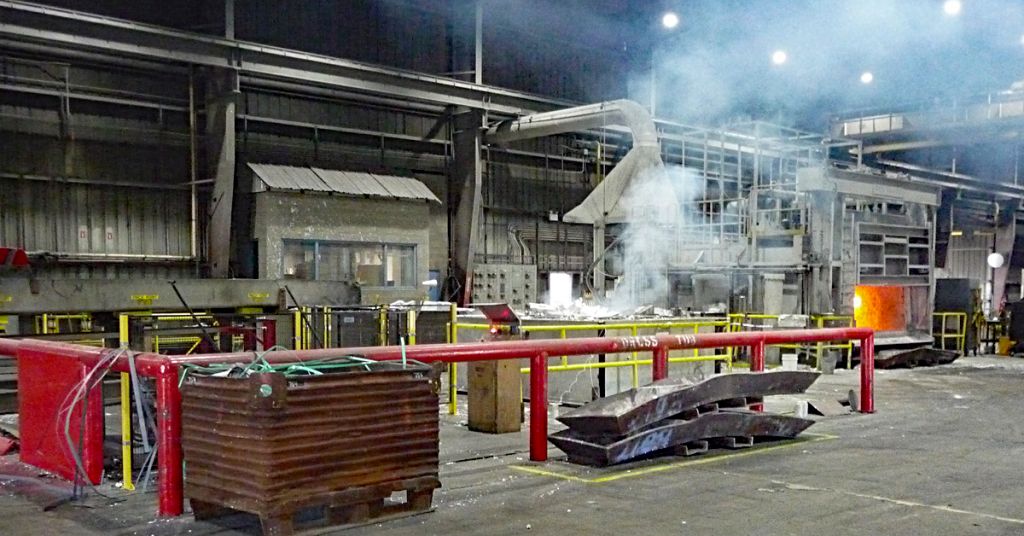
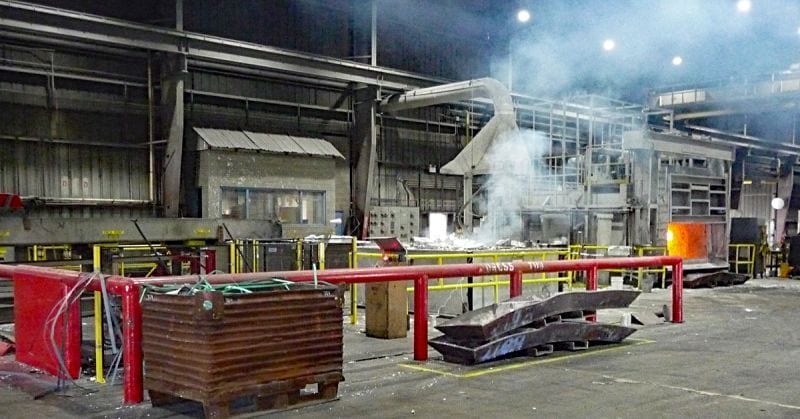
EPA inspection photo, Hydro Extrusions induction furnace 1 visible emissions, smoke fumes open furnace

Fumes and flames: A 2019 Oregon EPA inspection of the Hydro Extrusion facility in The Dalles, Oregon, led to a $1.3 million fine for violations of the Clean Air Act. Photo by Oregon EPA

By Valerie Brown. February 4, 2021. Since the early 20th century, The Dalles has been an industrial town, a Carl Sandberg kind of place, muscular, full of the promise of growth based on the spectacular amount of energy available from its own local hydroelectric dam. World War II brought the aluminum industry to the Pacific Northwest, and the Harvey Aluminum smelter (acquired by the Martin-Marietta Aluminum Co. in 1970) became a major employer in The Dalles. Completed in 1958, it kept up to 500 workers in jobs that were steady and paid well.

But soon The Dalles’ other bedrock industry, orchards, was suffering catastrophic failures of crops because the smelter was emitting so much fluorine that blossoms could not set fruit. In the early 1950s there were about 500 acres of peach orchards in the area. None remain today.

The problem was so bad that beginning in 1961 orchardists sued Harvey Aluminum (and then Martin-Marietta) at least 14 times. The plaintiffs weren’t after money—they wanted their clean air back.

Eventually they got some of it back. But The Dalles was still exposed to enormous amounts of pollution from the aluminum smelter, so much that the smelter became a Superfund site when it closed in 1987. It remains subject to monitoring and supervision for the foreseeable future to ensure that cyanide, fluoride, polycyclic aromatic hydrocarbons and sulfates don’t move into surface water, groundwater and soils.

Many residents of The Dalles assume their air quality these days is affected mostly by the AmeriTies railroad tie plant, which sends the odor of mothballs into the air from its use of polycyclic aromatic hydrocarbons, such as naphthalene.

But there’s still an aluminum company in The Dalles. Hydro Extrusion, recycles aluminum—known as “secondary processing” in regulatory parlance—and employs about 70 people. The plant is a subsidiary of Norsk Hydro, a Norway-based multinational.

In January 2020, the Oregon Department of Environmental Quality hit Hydro Extrusion with a $1.3 million fine, the largest fine in the history of the agency, for multiple and flagrant air quality violations, which lasted for more than a year. Following announcement of the fine, an April 2020 Columbia Insight investigation explored community and worker health issues associated with exposures to the chemicals, including aluminum itself, used in recycling. 

Dangers of contaminated aluminum scrap

Everybody is exposed to aluminum—it’s the third most abundant element in the earth’s crust. After steel, it has become the second most important metal in modern manufacturing. There are many sources of aluminum exposure, including drinking water, antiperspirants, tea, tobacco smoke and cosmetics.

For most people aluminum comes and goes fairly rapidly, but some of it accumulates in bones and the brain.

Over time, people who work in aluminum processing and residents of neighborhoods near processing sites are likely to be more exposed than the general public to both larger amounts of aluminum and other chemicals used in the industry.

Recycling is considered “green” by comparison to primary smelting of bauxite ore and alumina, demanding only 5 percent of the energy required for the original processing. Hydro Extrusion uses scrap industrial aluminum such as that produced by the Tesla automobile factory in California. The scrap is shredded, melted then shaped into new ingots meeting customer specifications.

Hydro incurred the Oregon DEQ fine because it was using scrap contaminated with “organics,” a term for various carbon compounds like plastics, paper, rubber, grease, marker pen and paint. When burned, organics produce highly toxic dioxins, furans, volatile organic compounds and fluorine and chlorine compounds.

Hydro’s permit does not allow the use of contaminated scrap. DEQ has not indicated whether Hydro’s normal operations violated the Clean Air Act (CAA). But even in normal operations, aluminum recycling emits substances regulated by the CAA, many of which can damage human health.

The CAA encompasses some 187 chemicals that may not be emitted above levels the EPA asserts are protective of human health. Ironically, aluminum itself is not on that list, although it can be extremely toxic to humans, animals and plants.

Exposure to gasses

Recycling aluminum produces fewer, and somewhat different, forms of pollution than smelting its ore. Determining just what Hydro is emitting is not a straightforward process. The DEQ fine was based on observations by EPA and DEQ inspectors who witnessed thick smoke inside the building over two days in April 2019. The inspectors did not have to know what specifically was in the smoke; its very existence told them the scrap was contaminated and the plant was violating the CAA.

The EPA and DEQ inspectors witnessed conditions inside the plant that were unacceptable. For example, the EPA inspector’s report noted that the facility’s four induction furnaces were “open to the building with no exhaust gas ventilation ducting … all exhaust gasses vent into the building.”

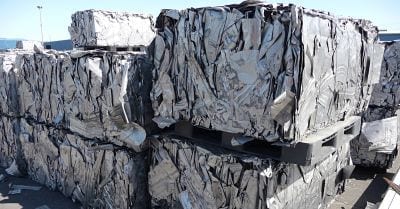
Tesla-Cass aluminum scrap at Hydro Extrusions Dalles EPA Inspection photo

Formidable foil: Aluminum scrap awaits processing. Photo by Oregon EPA

This means workers were directly exposed to these gasses, along with fumes and particulate matter. The EPA inspector talked with a 32-year employee who said, “the amount of smoke we were observing was typical.” The DEQ subsequently notified Oregon Occupational Safety and Health of the inspection results.

Since Norsk Hydro bought the plant in 2018, three workers’ compensation claims at Hydro Extrusions have been filed, including one claim for respiratory damage.

In February 2019, about six weeks before the EPA and DEQ inspectors made their site visit, an incident similar to the one inspectors observed in April occurred when thick smoke and fumes filled the room. An employee filed a complaint with OSHA on ­­­­­February 26. A former Hydro Extrusions employee, who spoke with Columbia Insight but declined to be identified for fear of reprisals, confirmed this incident.

One employee left work and went to the hospital, where he was diagnosed with metal fume disease, according to an anonymized claim provided by the Oregon Workers’ Compensation Division. Symptoms of this illness include nausea, fever, chills, muscle and joint pain and headaches.

Metal fume disease is usually “a self-limiting disorder, resolves in a couple of days and has no serious complications or long-term effects,” says Peter Spencer, professor of neurology and occupational health sciences at Oregon Health and Science University in Portland.

Oregon OSHA investigated the February 2019 incident on March 7 and found it to be a one-time occurrence and that the company had adjusted its practices. OSHA took no further action.

Particulates penetrate lungs

The exact chemistry of the furnace emissions in aluminum recycling varies depending on the customer’s requirements. Scrap aluminum usually contains other metals such as magnesium, manganese, copper, lithium and zinc. These may need to be removed or their proportions changed. This is accomplished by adding “flux,” usually fluoride or chloride powder. Flux reacts with unwanted ingredients and workers then scrape it off the top of the melt with paddles.

The products of fluxing become dross, the principal waste product of aluminum recycling. Dross comprises primarily aluminum, sodium and potassium chlorides along with various nitrogen, sulfur, phosphorus and carbon compounds.

Sometimes toxic fumes escape the melt if solid aluminum pieces aren’t submerged quickly enough, or if too much flux is added. The EPA inspector recorded video of such fumes on the day of the inspection. Fumes such as those produced during aluminum recycling are essentially ultrafine particles of metals mixed with volatile vapors.

Smoke show: Oregon EPA 2019 inspection video of Hyrdro Extrusion facility in The Dalles.

Particulates are regulated under the Clean Air Act according to their size, and size matters a lot. For regulatory purposes, particulates fall into two categories: 10 microns in diameter and 2.5 microns in diameter. All sizes are known to cause serious lung injury, but those 2.5 microns and below can reach far deeper into the lungs.

Smaller nanoparticles, such as those in fumes—millionths of microns in size, in the range of viruses—can penetrate even deeper. They can also cross the blood-brain and placental barriers and even travel up the olfactory nerve in the nose to the brain. The CAA does not regulate metals directly but considers particulates an indicator of metal content.

The EPA inspector in 2019 was most concerned about particles 250 microns and larger. Oregon anti-nuisance law prohibits any party from allowing visible deposition on others’ property of particles larger than this. The inspector found that these particles were not traveling beyond the plant’s boundaries, but he also reported that large amounts of fugitive dust were released on the plant grounds while dross was being piled on trucks for removal, and the company was doing nothing to prevent the dust becoming airborne.

For workers, if not the community, this is concerning. Sadie Costello, an occupational and environmental epidemiologist at the University of California Berkeley, has found increased incidence of ischemic heart disease (caused by narrowed arteries) in workers exposed to particulates of 2.5 microns and smaller in aluminum smelters and fabricating facilities.

Ties to neurological disease

There are other, more long-term health risks associated with aluminum recycling, including numerous respiratory problems, neurological disorders, bone damage, cancers and kidney disease. In addition to the various chemicals used in processing, aluminum itself is associated with serious health effects, the most contentious of which is Alzheimer’s disease.

Aluminum is the most abundant material in the air in aluminum recycling plants. Scientists do not yet agree on whether aluminum should be considered a direct cause of Alzheimer’s, but many studies have associated aluminum exposure with neurological problems.

Scientists have known for decades that aluminum is both inflammatory and a neurotoxin.

A clear example comes from people with kidney disease who need frequent dialysis. In the 1980s it was observed that fluids used for dialysis inadvertently concentrate aluminum naturally occurring in water. Some patients receiving high doses developed “dialysis dementia.” Once this connection was recognized, the aluminum content of fluids was reduced and the problem largely disappeared.

Numerous studies have found cognitive decline among workers exposed to aluminum, including from welding and smelter occupations. A large Chinese study of smelter workers in 2019 found that blood levels of aluminum correlated strongly with degrees of cognitive impairment, although education level was identified as a moderating factor. About two-thirds of the subjects had low levels of education.

There is also some evidence that aluminum can have transgenerational effects if it is in the form of nanoparticles. A 2018 study of mice found offspring of mothers exposed during pregnancy to saline solution infused with aluminum nanoparticles suffered from developmental stunting, anxiety and learning and memory deficits. The mouse pups also had significantly higher levels of aluminum in the hippocampus area of the brain. The aluminum had crossed the placental barrier.

Although research is inconclusive, aluminum has also been suggested as a factor in autism spectrum disorder, Parkinson’s disease, multiple sclerosis and amyotrophic lateral sclerosis.

Spencer of OHSU remains skeptical of these connections.

“In the ‘90s we’ve seen any number of studies suggesting there might be some association between aluminum intake and neuropsychological changes,” he says. “I would say the jury is still out on this. … It is recognized among workers that aluminum exposure has the potential to build up over time.”

[perfectpullquote align=”full” bordertop=”false” cite=”” link=”” color=”” class=”” size=””]Activities that expose workers to the highest amounts of aluminum pollutants are adding scrap to a furnace and skimming dross from the top of a melt.[/perfectpullquote]

That buildup might make the brain more vulnerable to Alzheimer’s even if aluminum is not a direct cause, says Stephen Bondy, a professor of medicine and pharmacology at the University of California at Irvine. Brain inflammation increases naturally with age and aluminum exposures earlier in life may accelerate the problem.

“If you speed up aging in the brain with early inflammation, you’re speeding up the risk of Alzheimer’s,” Bondy says.

Little is known about the amounts of pollutants that actually get into the bodies of aluminum recycling workers. A British study found that workers in secondary aluminum processing had personal exposures of inhalable dust of 700-5,600 micrograms per cubic meter, about 13 percent of which was aluminum. There were also significant proportions of fluorine salts and smaller amounts of chlorine salts. The activities exposing workers to the highest amounts were adding scrap to a furnace and skimming dross from the top of the melt.

Little information exists regarding the amounts and types of exposure to Hydro’s pollutants experienced by local residents or whether they are suffering from health problems associated with aluminum recycling materials. The relatively small size of The Dalles’ population would make it difficult to obtain statistically significant data for specific neighborhoods. Most available epidemiological data from the Oregon Health Authority does not include data at the city level.

One interesting correlation—not necessarily demonstrating cause and effect—is that the census tract with the lowest life expectancy (73.9 years) in Wasco County (The Dalles is the county seat) is the tract where Hydro is located. The tract with the highest life expectancy (83.2) is in the least populated southern part of the county. 

According to the EPA’s environmental justice profile, residents of The Dalles are in the top 2 percent of cities in the state in their proximity to a Superfund site, but lower than the Oregon average for ozone and diesel particulates. This lack of data makes it difficult to determine community-wide effects of emissions.

“The potential drift from the industrial process is one of many concerns for communities near industrial sites,” says Costello. “I expect that aluminum processing particulate exposures to the community would be orders of magnitude lower than exposures to the workers. Thus, for healthy adults, it may not be too concerning, but when one considers babies, children and ill people, then low doses 24/7 can be more of a concern.”

More study needed

One way to answer questions about Hydro’s impact on The Dalles’ air quality and the effects its emissions may be having on public health would be to actually test the ambient levels of pollutants inside and outside the factory and to determine the body burdens of these pollutants in both workers and community members.

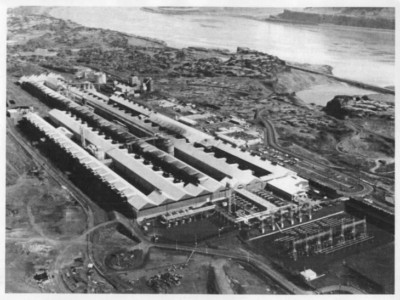
Sick burn: Smelting operations took place at the 305-acre Martin-Marietta Aluminum Plant in The Dalles between 1958 and 1987. It’s now a Superfund site. Courtesy of Washington Rural Heritage

“The way to get at this is to use the precautionary principle,” says Spencer, “which is to monitor workers exposed to aluminum fumes or other sources to make sure their urine levels or potentially their plasma [blood] levels are not exceeding what we consider to be acceptable.”

Costello thinks measuring air levels is the most direct way to assess and improve conditions for workers.

“I would encourage factories to conduct good air sampling in the factory, update their equipment to the highest standards and provide personal protective equipment and training for all their workers,” she says.

A former Hydro employee noted that when Norsk Hydro bought the old Northwest Aluminum Specialties and renamed it, new management did provide personal protective equipment to replace the “long-sleeved shirts” that were formerly employees’ only protection.

It is unclear whether Hydro has modernized its venting system to direct gas and fumes away from workers.

After the two severe smoke incidents in 2019, Hydro management introduced further training materials. But these incidents were treated as unusual and not indicative of ongoing worker or community exposures. It’s not known whether Hydro has not conducted any worker bio-monitoring or measured ambient pollution levels inside the plant. The company declined to provide information or consent to an interview with Columbia Insight for this story.

In addition to lack of data about thousands of similar sites across the nation, there are numerous problems with regulation of hazardous chemicals. Occupational health regulations are often geared toward accidents rather than chronic exposures; acceptable exposure levels are calculated separately for each chemical and don’t take into account the effects of combinations of chemicals; and they miss the diversity of chemical exposures’ consequences depending on people’s age, sex and other traits—for example, pre-natal exposures may trigger adult-onset diseases many decades later.

Workers and residents may want to consider ways to get more information about just what hazardous chemicals Hydro is emitting in what quantities and whether they are carrying body burdens of those substances at levels that might affect their health. A way to do this would be to create a crowd-funded project and partner with relevant researchers. The website www.scistarter.org helps citizens devise scientifically valid studies about community issues.

One thing is certain: no matter what such efforts might reveal, the need for jobs and the proud history of The Dalles will temper the community’s choices.

Information in the original version of this article regarding dates and companies involved in aluminum smelting in The Dalles has been corrected and/or clarified. —Editor 

Valerie Brown has covered environmental health for more than two decades, publishing in Environmental Health Perspectives, Scientific American, High Country News and elsewhere.

SEJ logo with urlColumbia Insight‘s series focusing on the aluminum industry in the Columbia River Gorge is supported by a grant from the Society of Environmental Journalists.


By |2025-12-03T14:59:16-08:0002/04/2021|Aluminum, Opinion|1 Comment

© Copyright 2013-2025 Columbia Insight. All Rights Reserved.

As a 501(c)3 nonprofit organization, all donations to Columbia Insight are tax deductible to the full extent of the law. Our nonprofit federal tax-exempt number is 82-4504894.