Stay Updated Subscribe today for the latest research + reporting about environmental news. Subscribe Now

Stay Updated Subscribe today for the latest research + reporting about environmental news.

Subscribe Now

Dac Collins

Dac Collins

Dac Collins

About Dac Collins

This author has not yet filled in any details.
So far Dac Collins has created 71 blog entries.

Very Scary and Quite Contrary: An opinion

By Dac Collins. Aug. 22, 2019. Last Monday the U.S. Fish and Wildlife Service and the National Marine Fisheries Service made a contentious and contradictory announcement: that by finalizing the changes proposed in July, the Trump administration is “improving the implementation regulations of the Endangered Species Act”. Apparently the administration plans to achieve this by narrowing the scope of protection for endangered species, removing the existing blanket protections for threatened species, and allowing federal agencies to consider the economic impacts of protecting these plants and animals instead of basing their decisions on science alone.

(More on those details here.)
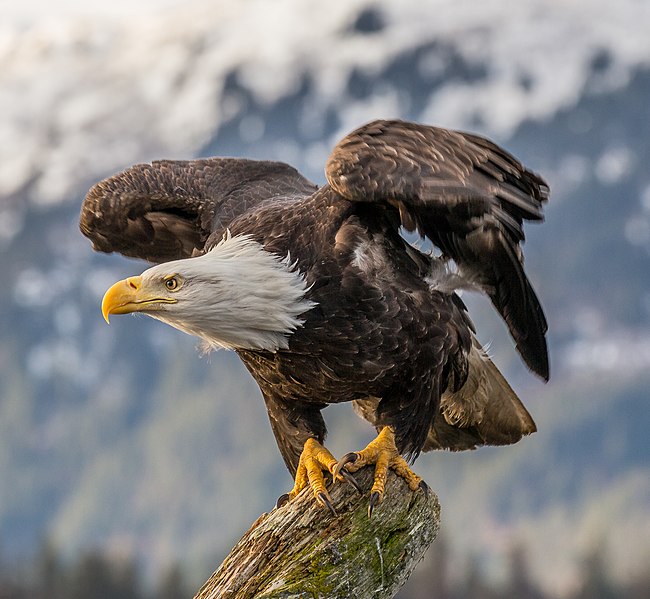
Photo courtesy of Wikimedia Commons.

Secretary of the Interior David Bernhardt has argued that these revisions will “ameliorate some of the unnecessary burden, conflict and uncertainty that is within our current regulatory structure.”

But conservation groups, wildlife advocates and other opponents of these “improvements” are crying foul. They say the changes represent the evisceration of the ESA — a move that fits squarely within the administration’s larger strategy of giving mining, fossil fuel and other extractive industries the proverbial keys to the kingdom. They also criticize the abysmal timing of the decision and point to a recent UN report, which warns that “around 1 million animal and plant species are now threatened with extinction, many within decades, more than ever before in human history.”

Brett Hartl, government affairs director at the Center for Biological Diversity, told the Times back in July that “these proposals would slam a wrecking ball into the most crucial protections for our most endangered wildlife.” And the attorneys general of Massachusetts and California have already said they will join a coalition of environmental groups in filing suit against the administration. They say the modifications to the ESA are in clear violation of the law’s overriding purpose…which is a pretty fair assessment if you look at what the so-called “unnecessary burdens” have accomplished over the past 46 years.

Passed by Congress in 1973, the Endangered Species Act increased protections for all plant and animal species listed as threatened or endangered, as well as their critical habitats. (“Increased” because the ESA was actually a stronger, more effective version of the Endangered Species Conservation Act that was implemented in ’69.) On the day that President Nixon signed the ESA into law, he said: “Nothing is more priceless and more worthy of preservation than the rich array of animal life with which our country has been blessed.”

Today, you can find living proof of the law’s success nesting in the spruce trees of Southeast Alaska, gorging on huckleberries in Yellowstone National Park, and swimming in the brackish waters of the Everglades. But it’s not just our nation’s iconic species — the eagles, grizzlies and alligators — who have benefitted.
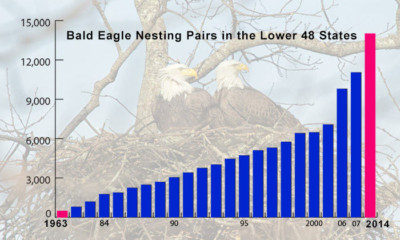
A poster child for the Endangered Species Act, the bald eagle has made an impressive comeback since the species was listed as endangered in 1978. Graph courtesy of the American Eagle Foundation.

According to a study released by the Center for Biological Diversity in 2012, roughly 90 percent of the species that have been federally listed under the ESA have seen their populations either stabilize or improve. Black-footed ferret, for example, experienced a population increase of over 8,000 percent between 1987 and 2008, while the population of Atlantic green sea turtles grew by a rate of more that 2,000 percent between 1989 and 2011. Meanwhile, lesser known species like the El Segundo Blue Butterfly and the Okaloosa darter saw similar or bigger increases (22,312 percent and 7,297 percent, respectively)…all because of the protections they received under the Endangered Species Act.

Even the U.S. Fish and Wildlife Service — the same federal agency that plans to improve the effectiveness of the law by gutting it — touts the fact that the ESA has “prevented the extinction of 99 percent of the species it protects since it’s inception in 1973.”

In other news, rumors are swirling that the U.S. Dept. of Transportation plans to make a similar announcement next week: that the administration is improving the safety of our nation’s interstate system by doing away with the concept of lanes, raising the minimum federal speed limit to 90 miles per hour, and replacing all rest areas with drive-thru liquor stores.
By |2019-08-27T08:20:39-07:0008/22/2019|More, Natural Resources, News, Wildlife|2 Comments

Overcrowding in the Columbia River Gorge

Aug. 8, 2019. In the first audio edition of Columbia Insight, we take a deeper look at some of the issues related to overcrowding and congestion in the Columbia River Gorge National Scenic Area. Featuring interviews with Lorelei Haukness from the U.S. Forest Service and Kevin Gorman, executive director of Friends of the Columbia Gorge, we discuss the human impacts of recreation in the Gorge, as well as strategies that land managers are using to alleviate these impacts…

By |2020-09-30T12:37:58-07:0008/08/2019|Podcasts, Recreation|4 Comments

Responding to Change: Local Utility Looks to Bring Renewable Hydrogen to Central Washington

By Dac Collins. July 25, 2019. Charles Darwin once said, “It is not the strongest of the species that survives, nor the most intelligent, but the one most responsive to change.”

So how do we as a species respond to the existential threat of a changing climate? We adapt. We innovate. And sometimes — yes, it’s rare but it happens — we even set our political differences aside momentarily and agree on ways to move forward.

The passage of Washington’s Senate Bill 5588 is an example of one of those rare moments. Introduced by a Republican Senator and signed into law by a Democratic presidential candidate, SB5588 passed both houses of the state legislature unanimously in April. The bill gives Public Utility Districts throughout the state the authority to produce, distribute and sell renewable hydrogen.

Forging new markets

“We’re pretty excited,” says Gary Ivory, General Manager of the Douglas County Public Utility District in central Washington. “Not much legislation moves through our state with unanimous approval, so we’re pretty excited about that.”

Ivory testified in favor of the bill during a public hearing in March, and he says the PUD is already working on a project to produce renewable hydrogen using the hydroelectric power generated from Wells Dam on the Columbia River. He says that although the market for renewable hydrogen in Washington State is limited, he anticipates that will change over the next couple of decades as the country transitions to a renewable, carbon-free energy economy.

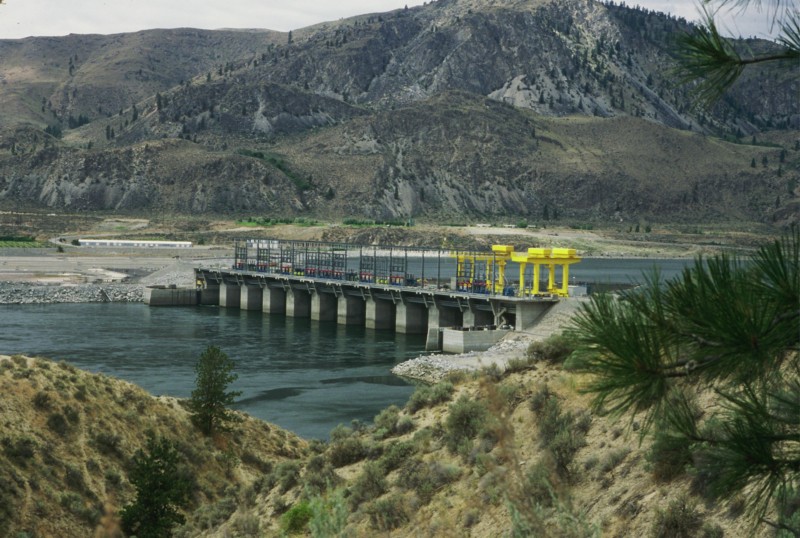
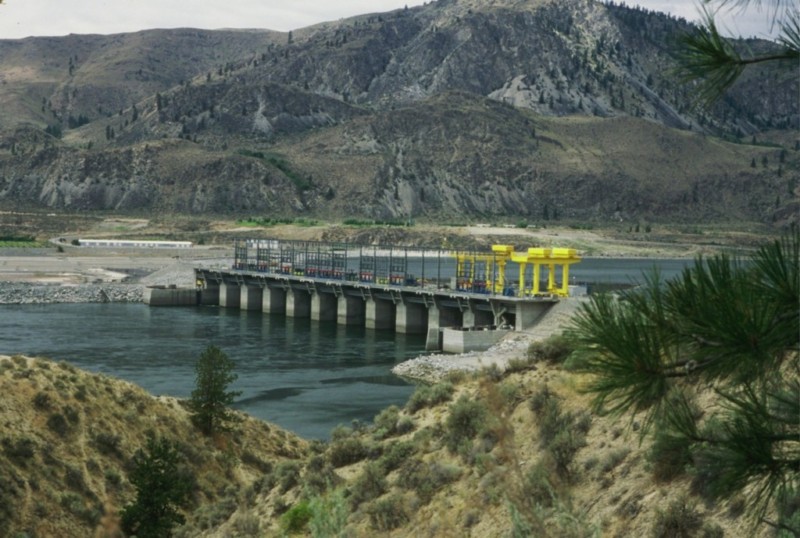
Located 30 miles downstream of Chief Joseph Dam, Wells Dam is owned and operated by Douglas County PUD. The dam has ten generating units capable of producing roughly 840 megawatts of electricity. Photo courtesy of Douglas County PUD

“We’re trying to forge a new market,” Ivory says. “And we’re moving into ground that hasn’t been plowed before.”

The project that Ivory and his team at the PUD are currently developing is known as a “power-to-gas” project, and it would require the installation of a small-scale, two to three megawatt electrolyzer. (To put that into perspective, one average megawatt is enough electricity to power roughly 750 homes.) The district would use the electrolyzer to convert some of the electricity generated by Wells Dam to hydrogen gas, which could then be sold as part of an offtake agreement.

Referring to those potential buyers, Ivory says, “Some of the people that have approached us would be using it for vehicle fuel…and there are some industrial users [here] in the Northwest that are already buying hydrogen.”

“We project that most of this hydrogen [gas] will be used in the Northwest, and that’s our hope,” he continues. “But that remains to be seen.”

That’s because there are currently no hydrogen fueling stations in either Washington or Oregon. Of the 41 publicly available hydrogen stations located in the United States, all but one are located in California. (Hawaii opened its first and only hydrogen fueling station in Honolulu in July of last year.)

This hasn’t kept Ivory from looking ahead, however. He says that if their power-to-gas project is successful, the PUD might be able to develop some of those facilities on its own.

Looking to the future

“If you look way out down the road,” he explains, “our vision may be to power our customers’ vehicles with this hydrogen.”

And those vehicles, by the way, already exist. Toyota unveiled the hydrogen-powered Mirai (Japanese for “future”) in 2014, and began selling the vehicles exclusively in California back in 2015. Since then, residents of California and Hawaii have purchased more than 5,600 Mirai’s.

Other auto manufacturers, including Honda and Hyundai, are also producing hydrogen fuel cell vehicles, which use hydrogen gas to power an electric motor and produce only heat and water as a byproduct. That means no tailpipes and zero carbon emissions.

“We’re interested in fueling our own fleet vehicles as well,” Ivory adds. “So one of our next steps after getting our electrolyzer up and running would be to have a fueling station so we can fuel some of our own vehicles.”

This would serve as “proof of concept,” he says, and would show “that these hydrogen vehicles are actually viable.”

But before the utility can even consider building Washington’s first hydrogen fueling station, it has to invest in an electrolyzer and all of the associated equipment — which, according to Ivory, will cost between $3 and $6 million. He says that money will come from their general operating funds, and explains that since the passage of SB5588 in April, the PUD has been going through a financial review of the project.

“And you’re the first to hear this,” he says, “but the utility will likely release a bid for electrolyzers next month.”

If and when the PUD decides to purchase an electrolyzer and branch into renewable hydrogen production, Ivory says the project would increase the overall efficiency of their system and lower the overall costs of power production. He explains that the way Wells Dam currently operates, the generating units are adjusted every four seconds depending on the demands of the grid. This creates a lot of wear-and-tear on the units, and these maintenance costs are reflected in the price of electricity. With the addition of an electrolyzer, he says, “we would be able to keep [the units] at a constant rate rather than ramping them up or down.”

As an added bonus, Ivory says the profits generated by renewable hydrogen sales would be funneled back into the PUD, thereby benefitting local ratepayers and demonstrating that renewable, carbon-free energy is both sensible and profitable.

*This is the second article in a series of articles about renewable hydrogen. In the first article, we spoke with Ken Dragoon, executive director of the Renewable Hydrogen Alliance, about the concept of storing surplus renewable energy as hydrogen gas.

By |2020-04-07T12:40:28-07:0007/25/2019|Energy, News, Renewable Energy|0 Comments

Emerald Systems Lleva el Programa de Reciclaje Rural al Gorge

Por Jim Drake. 9 de mayo de 2019. Con la visión de mantener toneladas de material fuera del basurero, Emerald Systems está trabajando con los clientes en el Columbia Gorge para desviar un flujo de desechos multifacéticos hacia un sistema de reciclaje viable: uno que crea trabajos, rentabilidad y camino a la sostenibilidad ambiental.

“Realmente implica que todos trabajemos juntos y nos unamos como comunidad, porque como que estamos en una isla aquí,” dice Julie Tucker, fundadora y consultora de sostenibilidad de Emerald Systems.

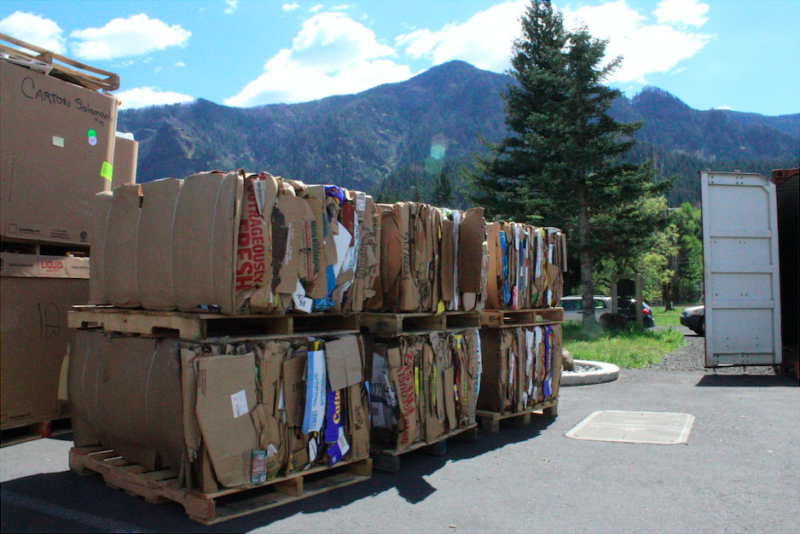
El cartón es un material de gran volumen para Emerald Systems, y la compañía recicló aproximadamente 1,191 toneladas el año pasado. Foto por Emerald Systems

Tucker dice que ha estado enamorada del proceso de reciclaje desde 1987. Durante su primer trabajo en una instalación de recuperación de contenedores de Portland, vio la enormidad de material que se desvía del basural. Ahora, después de diez años de ayudar a empresas como Azure Farms a ser autosuficientes para hacer que sus granjas y almacenes sean entidades de desperdicio cero, ha establecido a Emerald Systems en el Puerto de Cascade Locks, con una instalación de 3,000 pies cuadrados para recolectar, almacenar y clasificar la materia prima para el mercado de reciclaje.

“Recogemos cartón, vidrio, papel, plástico, espuma, metales, caucho y otros artículos difíciles de reciclar. Y luego trabajamos duro para encontrar puntos de venta para estos materiales. Por ejemplo, uno de nuestros clientes, no puedo decir el nombre, pero es un centro de datos en The Dalles, nos proporciona carretes de tableros aglomerados”.

De acuerdo con Tucker, estos carretes, que una vez sostuvieron el cable para servidores de computadoras, representan 60 toneladas que quedaron fuera del relleno sanitario en 2018.

“Lo primero que nos gusta hacer es educar a nuestros clientes sobre cómo reducir lo que están usando o ayudarles a descubrir cómo reutilizarlos. Tengo clientes que usan estos carretes para proyectos de arte, y podemos hacer que se astillen para el combustible de la caldera, que es una opción para la madera que no se puede reutilizar,” explica.

Emerald Systems comenzó en 2017 en un almacén en Tygh Valley, Oregón (30 millas al sur de The Dalles). Tucker dice que tuvo clientes casi de inmediato, ya que la comunidad agradeció la disponibilidad de una estación de reciclaje rural.

Aunque esa instalación se cerró debido a los costos, Emerald Systems mantiene una estación de proyecto piloto en Dufur, donde cualquier persona puede traer materiales durante las horas de operación. Un operador está disponible durante esas horas para asegurarse de que los materiales se limpien adecuadamente y se separen de acuerdo a si vienen de uso comercial o residencial.

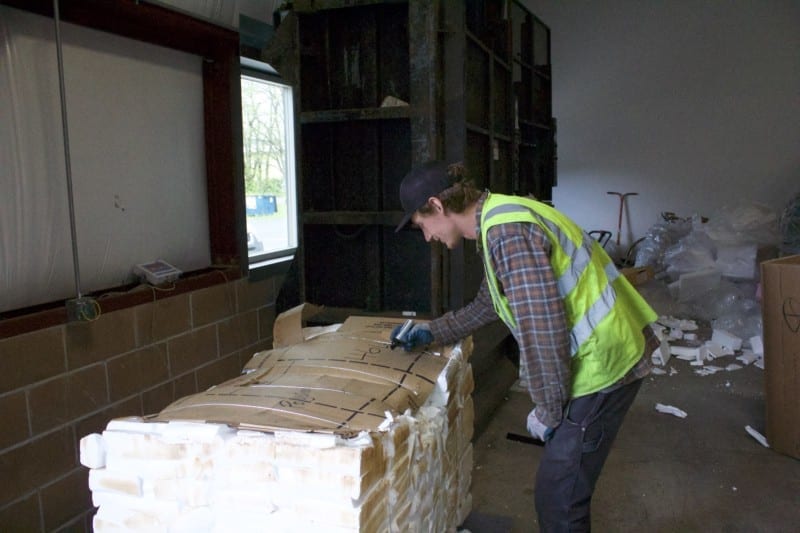
Isaiah Arnold etiqueta una paca de espuma reciclada en la ubicación de Cascade Locks. Foto por Emerald Systems

“Nuestro objetivo es establecer una estación en Maupin, Morrow, Grass Valley, Lyle, Klickitat … todas estas áreas rurales que no tienen mucho acceso a este tipo de instalaciones. “Cada lugar podría crear un trabajo a tiempo parcial, y cuando se hace bien, estas estaciones podrían generar una ganancia para la comunidad,” explica Tucker.

Y uno de los componentes clave para hacer que el reciclaje sea rentable, dice ella, es producir un flujo de desechos que se compone de material limpio, no contaminado y separado. De hecho, debido a las pautas de la compañía sobre lo que pueden y no pueden recopilar, Emerald Systems garantiza que el 95% del material recolectado no irá a un basurero.

“La razón por la que la industria del reciclaje se está cerrando es por el problema de la mezcla contaminada. China no quiere la mezcla contaminada. Todavía hay salidas para material separado,” dice Tucker.

“Las grandes empresas de basura no ganan dinero con el reciclaje, y eso es parte del despliegue publicitario”. Todavía quieren poder recolectar el dinero para el reciclaje combinado, por lo que están cobrando todos estos cargos adicionales y van a limitar su reciclaje porque no pueden mantenerlo limpio. Y eso es una pena porque no es culpa de la empresa de basura”.

[perfectpullquote align=”full” bordertop=”false” cite=”” link=”” color=”” class=”” size=””]“Pero hay un mercado para el reciclaje. Simplemente no hay un mercado para la mezcla sucia. Y creo que eso es muy difícil de entender para la gente”.[/perfectpullquote]

En 2018, Emerald Systems recolectó más de 1,500 toneladas de fibra, metal, vidrio, plástico y madera (junto con 80,000 pies cúbicos de espuma tipo poliestireno) de aproximadamente 45 clientes. Y a pesar de que la compañía no ha hecho publicidad, las agencias locales, concretamente, el Programa de reciclaje y residuos peligrosos Tri-County, están prestando atención.

“Estamos entusiasmados porque acabamos de recibir una beca de $23,000 de Tri-County,” dice Tucker.

“Esta beca permitirá que mi empresa se organice mucho más. Cuando tuve mi primer cliente, tuve que pedir prestado $400 a mi madre para alquilar un U-Haul. Hemos estado subsistiendo, poco a poco, semana tras semana, y finalmente llegamos al punto en que podríamos decir que este es un negocio viable.”

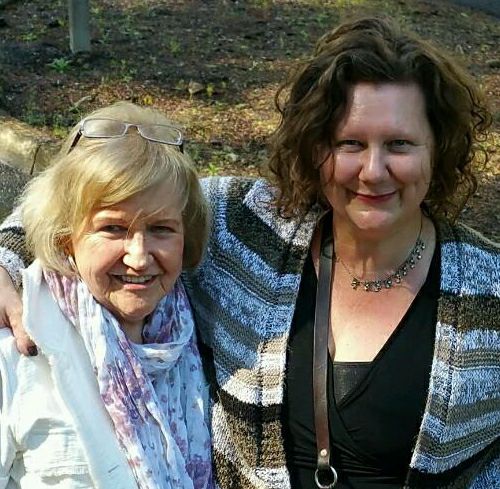
Julie Tucker (derecha), fundadora de Emerald Systems, fotografiada aquí con su madre.

La base de clientes de Tucker creció dramáticamente el año pasado, en parte debido al cierre de una planta de reciclaje local en The Dalles. También afectan a su negocio las condiciones del mercado para el reciclaje de materiales, que según ella se encuentran actualmente en una fase descendente (en lo que respecta al valor del material). Las compañías de Portland que solían recoger materiales en el Gorge ahora la están llamando para que lo haga ella, porque es demasiado caro para ellos ir al Gorge.

“La forma en que manejamos nuestro negocio es que gestionamos los materiales de las personas. Debido al valor de mercado de los materiales, a veces tenemos que tener en cuenta el costo de transporte para algunos de nuestros clientes. Otros clientes que empacan, clasifican y limpian el material adecuadamente pueden ganar dinero para cuando hayamos terminado,” dice Tucker.

En una semana típica, los empleados de Emerald Systems recogen materiales de los clientes en el camión Penske de 26 pies de la empresa y, en muchos casos, pueden llevar el material directamente al comprador, generalmente en el área de Portland. Y aunque Emerald Systems puede aceptar materiales que normalmente son recogidos por programas de reciclaje en la acera, no pueden infringir el derecho de franquicia de un transportista.

“Por ejemplo, no puedo recoger materiales domésticos de las residencias en Hood River o en cualquier lugar donde exista un acuerdo de franquicia. Tenemos una estación de reciclaje en Dufur porque no hay un acuerdo de franquicia allí,” explica.

Los contenedores de envío grandes (también conocidos como contenedores intermodal) se colocan fuera del almacén de Emerald. En el interior, una empacadora industrial con rampa y báscula puede producir pacas de cartón que pesan una tonelada. Y solo en 2018, Emerald Systems procesó más de 1,100 toneladas de cartón.

“Tenemos que llamar a un camión de plataforma para 50 pacas, y no podemos almacenar eso dentro de nuestro almacén. En el Gorge, recogemos pacas, del tamaño de las de las tiendas de comestibles, de Insitu, una compañía aeroespacial, que tiene entre 700 y 800 libras “.

Tucker dice que la variedad de negocios en el Gorge mantendrá a Emerald Systems ocupada en idear una estrategia para desviar el flujo de residuos. La presencia de cervecerías y bodegas donde es hecho el vino, por ejemplo, podría eventualmente convertirse en otra ruta de recogida.

“Las cervecerías tienen muchos de los mismos flujos de residuos, incluso hasta el detalle de las bolsas de grano, que son un polietileno que puede revestirse con película de plástico,” dice Tucker.

“La mayoría de ellos están siendo colocados en el basurero. Pero si podemos programar una ruta con un día en que podamos recoger a las cervecerías, y un día a las bodegas de venta de vinos, es otro ejemplo de trabajar con la comunidad y lograr que esto funcione en conjunto.”

Otras compañías se han acercado a Tucker sobre cómo lidiar con sus flujos de desechos y, mirando hacia el futuro, espera obtener la certificación para reciclar partes electrónicas (e-cycle).

“Una compañía de tablas de vela acaba de contactarnos y estamos trabajando para encontrar un punto de venta para sus materiales. Algunas compañías aeroespaciales necesitan deshacerse de las tablas de circuitos que necesitan ser conectadas a tierra, tendríamos que estar asegurados e instalar medidas de seguridad especiales para hacer eso.”

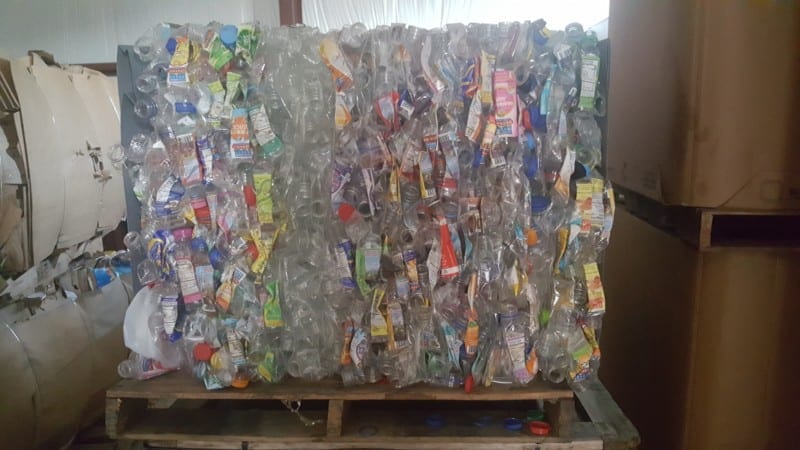
La compañía pudo mantener aproximadamente 270,360 libras de plástico fuera del flujo de residuos el año pasado. Foto por Emerald Systems

Tucker dice que Emerald Systems está lista para implementar un sitio web actualizado que permita a los clientes programar recogidas, y que ha contratado a una firma de consultoría de negocios para ayudar con la publicidad. Las próximas seis semanas serán un tiempo crítico de desarrollo para la compañía.

“Ha sido un camino difícil mantener esto en marcha, pero creo que esto funcionará. Sé cómo trabajar con los clientes y cómo capacitar a las personas para que clasifiquen sus materiales de manera correcta, y siento que ahora todo está llegando al mismo tiempo, especialmente con esta beca,” dice Tucker.

Todo esto significa que Emerald Systems estará preparado cuando la tendencia del mercado de reciclaje se invierta en un alza.

“Creo que el valor de mercado y el tema de la mezcla de materiales reciclables va a cambiar drásticamente porque la gente comenzará a construir puntos de venta locales para ello. Y entonces tendrás un alza. En el futuro, podrás ganar dinero con estos materiales diferentes porque serán productos básicos,” dice Tucker.

Tucker, quien da crédito al apoyo de su familia de Hood River por un exitoso comienzo de negocios, dice que su visión de simplificar el proceso de reciclaje del Gorge en un sistema cohesivo es realmente solo parte de su trabajo. Menciona que recientemente ayudó con el día de limpieza de la comunidad en las cercanías de White Salmon, Washington, donde la comunidad recolectó más de 7,000 libras de desechos electrónicos del e-cycle.

“Realmente es para ayudar a proteger esta parte de la tierra. Es un trabajo difícil, pero siento que esto es lo que debo hacer”.

Las instalaciones de reciclaje de Emerald Systems se encuentran en el 50 Northeast Herman Lane, Cascade Locks, OR 97014. Para obtener más información sobre la entrega de materiales reciclables, envíe un correo electrónico a info@emeraldsystems.org

By |2023-03-20T15:16:52-07:0007/16/2019|More, Spanish translations|0 Comments

Smith Rock State Park to Expand

By Dac Collins. July 11, 2019. Entering Relativity, Cruel Sister, Bad Finger and Moons of Pluto. At Smith Rock State Park, the names of some of the classic climbing routes are as distinctive as the rock walls themselves.

And because it’s the namers who have helped shape the park into what it is today — a world-renowned rock climbing mecca that draws over three-quarters of a million visitors annually— it seems only fitting that the ever-growing cadre of climbers who utilize and steward the publicly-owned park would play a role in expanding it.

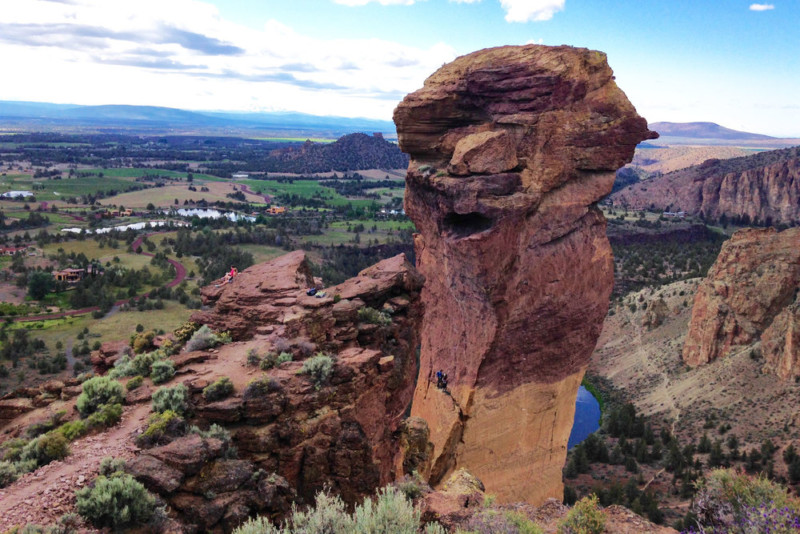
Climbers scale the iconic Monkey Face at Smith Rock State Park. Photo courtesy of smithrock.com

“I started climbing there in 1991 and just sort of fell in love with the place,” says local climber Ian Caldwell.

Known throughout the Central Oregon climbing community as the Mayor of Smith Rock, Caldwell volunteers regularly at the park, maintaining trails as well as bolted routes. He also helps with search-and-rescue operations and coordinates the annual Spring Thing volunteer day.

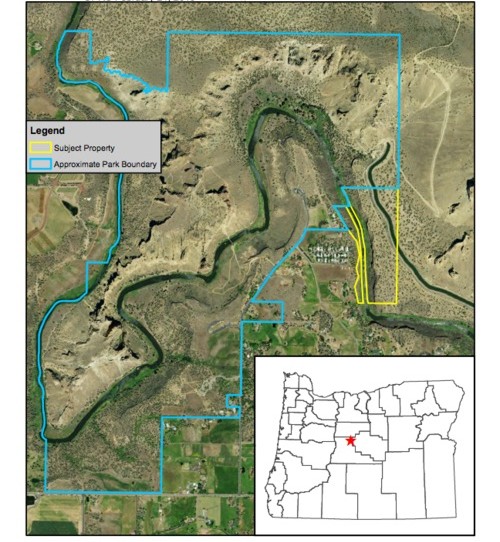
In short, Caldwell knows the Smith Rock area, and the community that recreates there, as well as anybody, and he has been a vocal supporter of a recent decision by Oregon State Parks to acquire an additional 38-acres located southeast of the park boundary. Encompassing the area known as the Lower Gorge — which Caldwell describes as “a different and unique climbing experience from the rest of the park,” — he explains that the privately owned parcel spanning both sides of the Crooked River has been used by climbers and hikers for years.

“The owners don’t live there, so they’ve never really had an issue with us climbing up there,” Caldwell says. He explains that many of the climbers and hikers who have frequented the Lower Gorge over the years did so without realizing they were on private land.

So while the expansion of the park won’t necessarily open up uncharted terrain, it will guarantee that the land is protected from development and managed appropriately going forward. And from a conservation perspective, putting an additional 38 acres in the public trust increases its value tenfold.

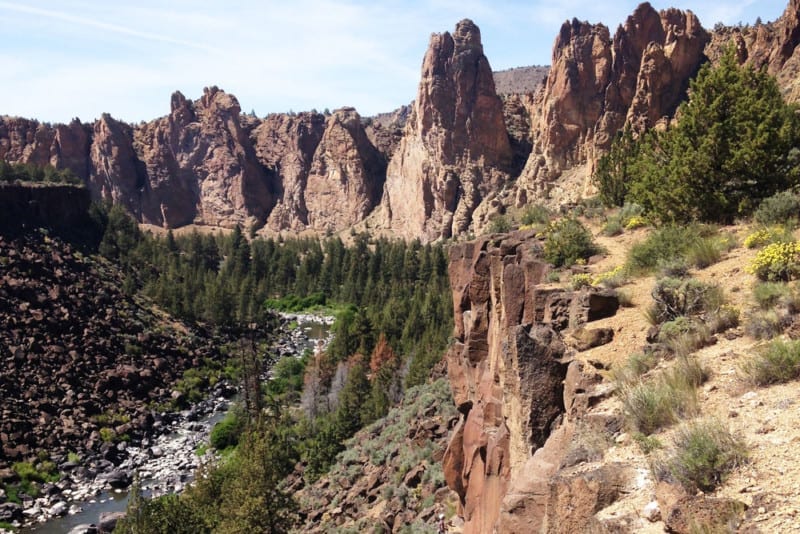
You don’t have to be a climber to appreciate the dramatic scenery of the Lower Gorge. Photo courtesy of smithrock.com

Jeremy Bowler is the president of the High Desert Climbers Alliance, a local climbing organization that works to protect and secure access to climbing areas in Central Oregon.

Referring to the acquisition of the Lower Gorge, Bowler says, “This legitimizes, or it continues to legitimize, climbing there. And it will provide a great protective space for climbers to continue to go.”

“And the climbing that exists there is absolutely phenomenal,” he adds.

While Oregon State Parks hasn’t closed the deal quite yet, the Oregon Parks and Recreation Commission held a meeting on June 12 to discuss the purchase of the privately owned property. Caldwell testified at that meeting alongside Alan Watts and John Rich, who are also prominent figures in the local climbing community.

“We all spoke to what a unique area this is, and how important it is to the climbing community,” he says, adding that the Commissioners voted unanimously to purchase the 38-acre parcel for $285,000 from the MacFarlane family.

Oregon Parks and Recreation Department spokesman Chris Havel confirms this account, and says the Commission’s decision was relatively straightforward considering the positive responses the Dept. received during the public comment period that preceded the June 12 meeting.

“It’s all been supportive, what we’ve heard so far,” he says.

Havel points out that the expansion of the park will also protect 1,000 feet on both sides of the Crooked River, a stretch that adventurous whitewater boaters paddle during spring runoff.

“And it does secure a route to other public lands just outside the park,” he adds, referring to the Upper Gorge that is located just upstream and is owned by the Bureau of Land Management.

Map courtesy of Oregon Parks and Recreation Dept.

In this sense, the land acquisition creates a larger, more cohesive publicly-owned space. Having this much space “will give us a little more room to spread out in the park,” Havel says, which in turn will lessen the impact that human visitors have on the natural environment, benefitting the residents of Smith Rock — the raptors, rattlesnakes and other species — that thrive under the high desert sun.

“We’re just so grateful for the State Park and how they manage their lands,” says Bowler, who sees the land acquisition, and the public’s overwhelming support of it, as a testament to the positive working relationship that the local climbing community has established with the State Park over the years.

“Not all climbing areas are as lucky as we are.”

By |2020-09-30T12:37:59-07:0007/11/2019|Conservation, News, Public Lands, Recreation|1 Comment

The Hanford Journey: A Rallying Point

The views and opinions expressed in the following essay are those of the author alone, and they do not necessarily reflect the views and opinions of Columbia Insight.

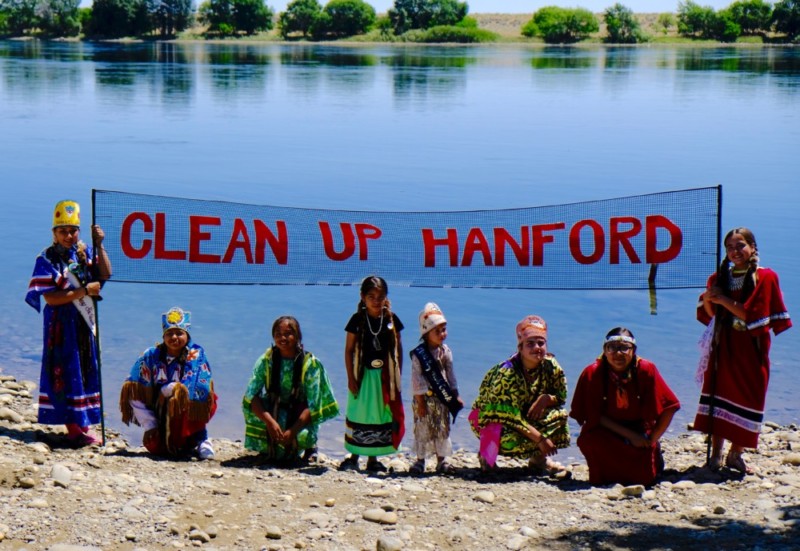
By Dac Collins. June 27, 2019. On Friday, June 14, over 150 people gathered on the banks of the Columbia in southeastern Washington to participate in the first annual Hanford Journey. Down around the bend from them — a quick flight for a cormorant — a shuttered nuclear reactor towered above the surrounding sagebrush. Standing out like a corpse at a cocktail party, the B Reactor’s presence served as a stark reminder of why demanding a thorough cleanup of Hanford is just as necessary today as it was 30 years ago.

Sponsored by Columbia Riverkeeper and the Yakama Nation Environmental Restoration and Waste Management (ERWM) Program, The Hanford Journey celebrated the legacy of the late Dr. Russell Jim, a Yakama tribal elder who founded the ERWM program and dedicated his life to giving Native American tribes a voice in the Hanford cleanup.

Photo by Dac Collins

Dr. Jim was born on Yakama Reservation lands in 1935, just four years before Hitler invaded Poland and kicked off the deadliest war in modern history. Six years old when the United States joined World War II, Jim would have been around eight years old in 1943, when the U.S. War Department decided to locate portions of the Manhattan Project along the Hanford Reach of the Columbia. (The ancestral home of the Wanapum Tribe, this stretch of river is still an archaeologically and culturally important site for other tribes in the region, including the Umatilla, Nez Perce and Yakama.)

76 years later, history books remind us that the weapon produced with B Reactor plutonium ended World War II, ushering the United States into a period of global dominance and affluence that continues today. But it remains difficult for us to comprehend the scope of environmental degradation and dehumanization that the Hanford Nuclear Site has wrought on the Columbia River and its people…

…not to mention the moral implications of the U.S. government’s decision to use that B Reactor plutonium on the people of Nagasaki. And regardless of whether or not you agree with that decision, it’s toxic legacy — the routine exposure of Hanford workers to radiation and the continued poisoning of the river and its inhabitants — proves that some of the catastrophic damage caused by Fat Man has been self-inflicted.

The damage control continues to this day, as a species with an average life-span of 79 years confronts a man-made element with a half-life of 24,000 years.

Last year, the U.S. Dept. of Energy announced a proposal to reclassify some of the high-level radioactive waste at the Hanford Reservation as lower-level waste. And just weeks ago, the DOE issued new rules giving itself the authority to abandon storage tanks with more than 100 million gallons of high-level radioactive waste at Hanford. Meanwhile, continued research shows that radioactive groundwater plumes continue to threaten the health of the river, and the Oregon Dept. of Energy admits that “chromium, nitrate, uranium, technetium, tritium and strontium have all reached the Columbia River” — all of which threaten the last remaining stretch of the main stem where fall chinook spawn in significant numbers.

In light of these continued challenges, the Hanford Journey was a rallying point for those who carry on Dr. Jim’s advocacy work. Participants included Yakama Nation elected officials and tribal members, legislators, agency representatives and citizens from all over the Pacific Northwest.

Polly Zehm, Deputy Director of the Washington Dept. of Ecology, shared some of the lessons she learned from Jim, including his advice “to stop thinking about the Columbia River as something separate from us people…to think of ourselves as part of the river, and to think of the river as part of ourselves.”

Jim’s niece Natalie Swan, who works as a botanist for the tribe, also gave a speech, as did Yakama Tribal Chairman JoDe Goudy.

“I’m not here to hurt anyone’s feelings…and I refuse to be held responsible for anything that comes out of my mouth,” Goudy began, launching into a searing speech that framed the historical context of Hanford. He focused on the underlying threads of deceit and domination that can be traced back to the European conquest of the Americas, and through landmark cases of the 19th and 20th centuries to the present-day.

“So when we get into a discussion of how Hanford came to be, of what happened historically to essentially exert a modern-day dominating and dehumanizing act such as the inception, the origin, the continued existence and the challenges with regard to cleanup of the Hanford Nuclear Reservation,” he continued, “I try to understand what has happened to build us up to the history of the present moment.”

And referring to the “sacrifices that have been endured by this land, by this water, by the different entities and resources, and by the peoples that were affected,” the Chairman posed an important question to the crowd: “Are we truly discussing this thing in the proper context?”

Silent as stones, the participants listened on while the big river flowed past. Caddisflies danced on its sunlit surface as it ran eastward, moving toward a thing that can be explained and contained but can never be undone.

Photo by Kiliii Yüyan

By |2020-12-01T13:33:12-08:0006/27/2019|Features, Indigenous Issues, More|0 Comments

© Copyright 2013-2025 Columbia Insight. All Rights Reserved.

As a 501(c)3 nonprofit organization, all donations to Columbia Insight are tax deductible to the full extent of the law. Our nonprofit federal tax-exempt number is 82-4504894.