A Forest Service plan to conduct a woodlands burn in a remote corner of Nevada is raising alarm
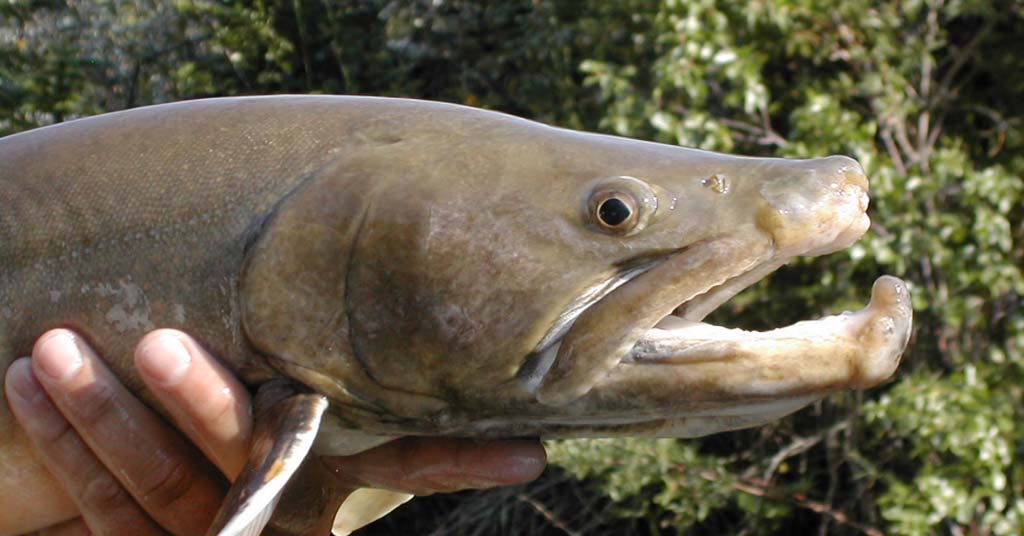
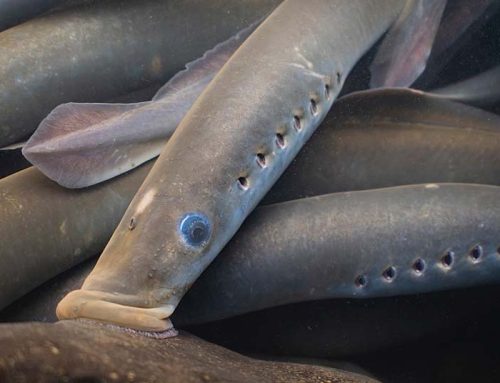
Cold comfort: Bull trout are listed as “threatened” under the Endangered Species Act. They require water from 36 to 59 degrees. Photo: USFWS
By Kendra Chamberlain. February 17, 2026. The Jarbidge bull trout is an elusive fish. Cut off by a series of dams from other fish populations in northeast Nevada, it’s genetically distinct from other bull trout in the United States.
These trout are particularly sensitive to water quality, which means they have a patchy distribution across the Jarbidge watershed, preferring only the coldest, cleanest streams at higher elevations.
And there aren’t many of them.
A 2004 estimate pegged the population at fewer than 500 Jarbidge bull trout, with a meager 50-125 reproductively mature fish; a subsequent U.S. Geologic Survey report estimated the population closer to 2,000. The species has been federally protected since 1999, when the U.S. Fish and Wildlife Service determined habitat degradation was its chief threat.
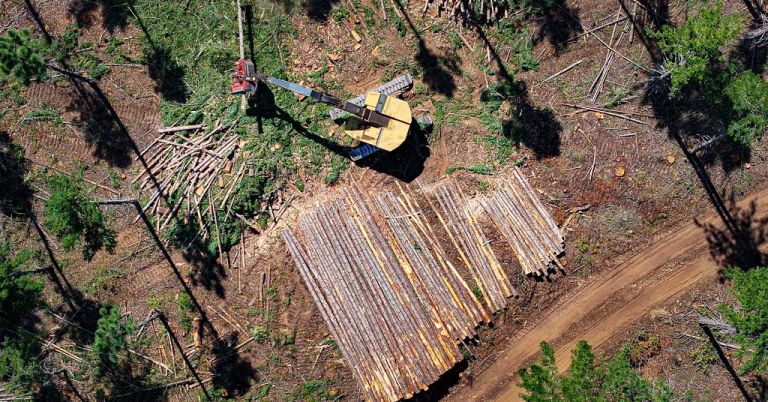
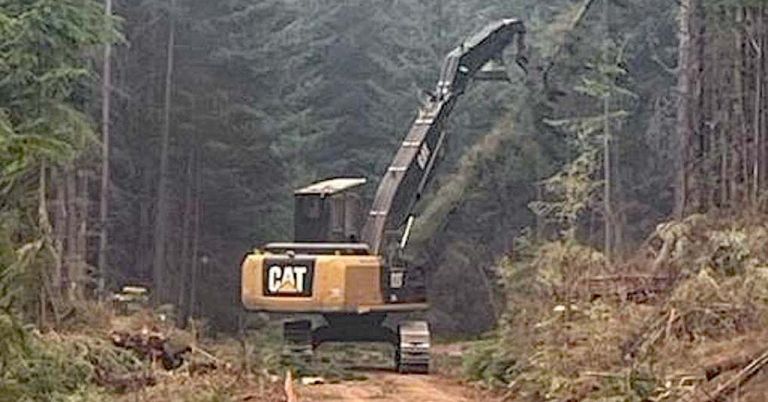
Now, in the name forest thinning to help prevent wildfires, the Forest Service plans to log and burn up to 30,000 acres annually for the next 15-20 years across the 5.1 million acres of the Humboldt-Toiyabe National Forest in Nevada. The burn-plan area includes federally designated critical habitat for the Jarbidge bull trout.
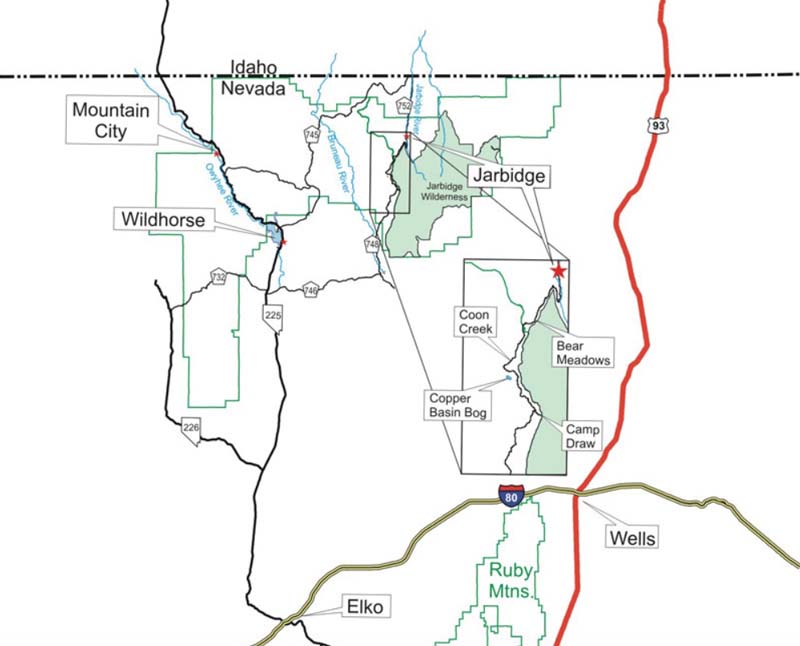
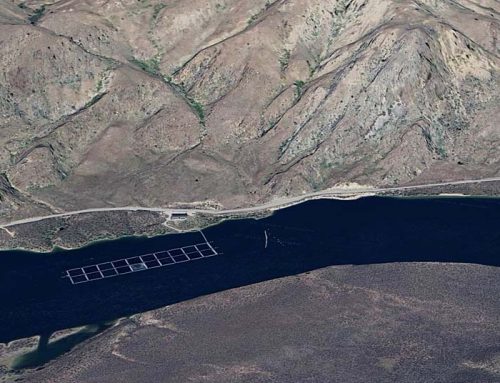
Map: USFS
On Feb. 10, a trio of conservation groups—Alliance for the Wild Rockies, WildLands Defense, and Native Ecosystems Council—filed a civil complaint contesting the plan with the United States District Court in Nevada. They dispute the Forest Service’s claim that the action will have “no significant impact,” per its environmental assessment that helped green light the plan.
The complaint alleges violations of the National Environmental Policy Act, National Forest Management Act and Administrative Procedures Act.
“This Project area is massive: over five million acres of Nevada forest, woodlands, and sagebrush,” reads the civil complaint. “The Decision Notice authorizes 30,000 acres per year of logging and burning over the next fifteen to twenty years. The Project is likely to adversely affect nine species currently listed under the Endangered Species Act (“ESA”), their associated critical habitat, and two species proposed for listing under the ESA.”
In addition to Jarbidge bull trout, the complaint lists Lahontan cutthroat trout, yellow-legged frog, Mount Charleston blue butterfly, sage grouse, bighorn sheep, Sierra Nevada red fox, and whitebark pine among impacted species.
“This project shows the disdain Humboldt-Toiyabe National Forest managers have for the public as well as the animals and plants whose habitats and populations they are legally required to preserve,” Katie Fite, public lands director at WildLands Defense, said in a statement. “The agency cares so little about rare species, ranging from pygmy rabbits to Sierra Nevada red fox, that the highly deficient Environmental Analysis claims when the Forest Service chops down or torches their habitat over the next decades, that the animals can just move away and find somewhere else to live. What they don’t do is reveal where, exactly, all this promised land actually is.”
Jarbidge Wilderness
A remote wilderness renowned for its fishing, the Jarbidge watershed spans parts of southwest Idaho and northeast Nevada. The Jarbidge River travels some 50 miles from its headwaters in the Jarbidge Mountains of Nevada, across the high plateau of the Owyhee Desert, carving out what’s considered one of the most iconic river canyons in the region, before joining the Bruneau River and, later, Snake River.
The river is accessible only via dirt roads, many of which aren’t maintained in winter. Twenty-nine miles are designated wild and scenic, and much of the area is considered critical habitat for the Jarbidge bull trout.
“Bull trout are the canary in the coal mine for water quality,” Mike Garrity, executive director of the Alliance for the Wild Rockies, told Columbia Insight. “Bull trout need the cleanest, coldest water, and humans also need very clean water. It’s a good canary for us.”
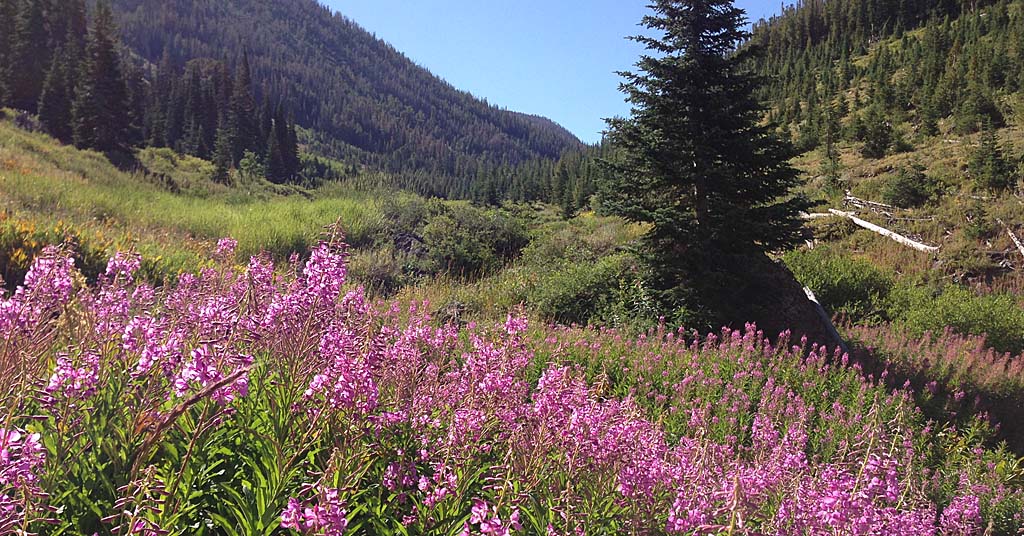
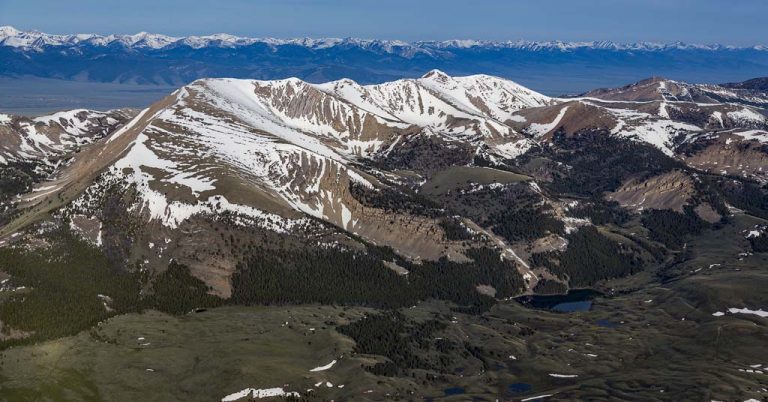
Remote control: Fireweed in the Upper Jarbidge River Canyon. The Wild and Scenic Jarbidge River flows from northern Nevada into Idaho. Photo: Wikimedia
Bull trout are vulnerable to water temperature changes. They thrive in ice-cold snowmelt waters at higher elevations. Anything above 59 degrees, and the species is uncomfortable. When water temperatures reach 64 degrees, bull trout begin to die off.
That’s what Garrity fears might happen if the Forest Service follows through with its fuel-reduction plan.
“This is way up in the mountains, but it is still Nevada,” said Garrity. “If you remove the forest in the watershed, the water’s gonna get hotter.”
That’s just one example of what critics see as a sloppy approval process. The coalition’s lawsuit alleges violations of the National Environmental Policy Act, National Forest Management Act and Administrative Procedures Act.
On Jan. 30, the coalition mailed a 60-day Notice of Intent to Sue to the Forest Service and the U.S. Fish and Wildlife Service for violating the Endangered Species Act, because the project will harm bull trout and bull trout critical habitat. If within 60 days thr government has not addressed the alleged violations, the coalition can amend its original complaint to include its bull trout ESA claims.