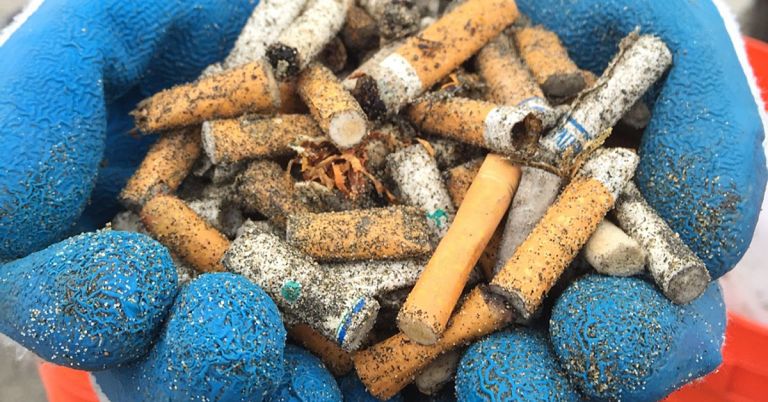
Revamping the state’s curbside recycling system and lowering garbage bills are part of the program
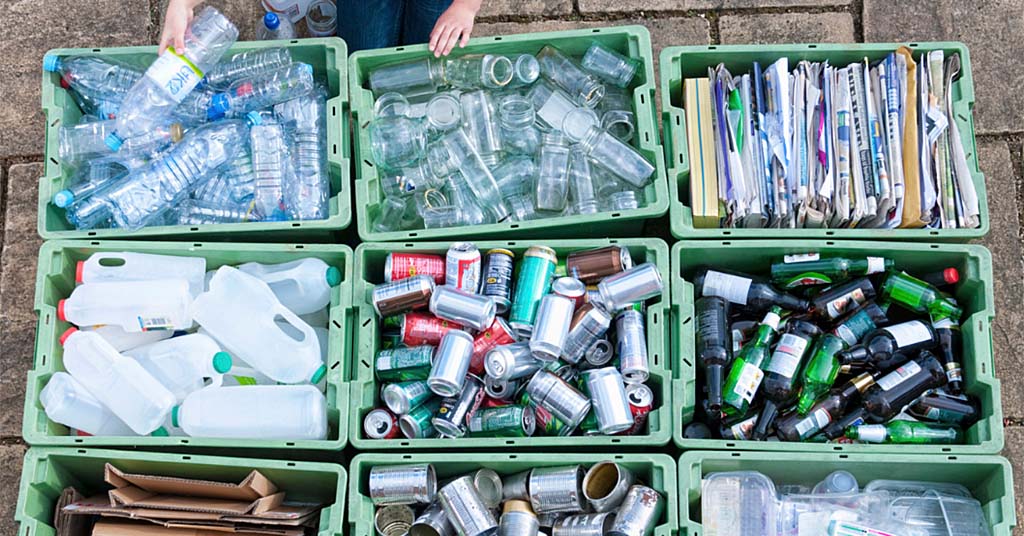
Sorting it out: Recycling needs an overhaul. It’s coming to Washington. Photo: International Bottled Water Association
By Nick Engelfried. September 4, 2025. Big changes are coming to recycling in Washington. Within five years, residents will be able to refer to a single list of recyclable items that’s consistent across the state and determines what can go in blue curbside bins.
Rural communities will have better access to recycling.
And curbside recycling fees will be reduced.
This is thanks to the Recycling Reform Act, passed by the Washington legislature earlier this year. Like similar laws in six other states, it’s meant to make recycling easier while ensuring discarded materials actually get turned into new products.
“Thanks to this new law, in 2030 you’ll be able to go from your house, to your brother’s in the next city, to your friend’s house across the state and put exactly the same things in the recycling,” says Kara Steward, of Washington’s Department of Ecology.
The Recycling Reform Act will also mandate greater transparency regarding where materials go and incentivize companies to make more easily recyclable products. It’s a set of ambitious goals that requires cooperation from curbside recycling providers, local governments and manufacturers.
“We’re talking about basically revamping the entire curbside recycling system in Washington,” says Heather Trim, executive director of Zero Waste Washington. “That means buying more trucks to collect material, developing more processing facilities and creating a robust program for educating residents about what goes in blue bins.”
A lot must happen between now and 2030 to get these systems in place. And, while residents won’t see big changes to curbside recycling for years, the behind-the-scenes work has already begun.
Plastic flood
The push to reform recycling in Washington takes place against a backdrop of growing global awareness about the impacts of trash, especially plastics.
According to the UN Environment Programme, the world produces 430 million metric tons of plastic garbage each year, much of it ending up in oceans or terrestrial ecosystems.
U.S. infrastructure isn’t set up to handle the volume of waste being produced, so for years the United States exported 70% of its plastics overseas for recycling in China.
In 2018, China stopped accepting most overseas plastics, creating chaos in the recycling industry.
“It prompted a big reckoning over how we handle our waste here,” says Trim.
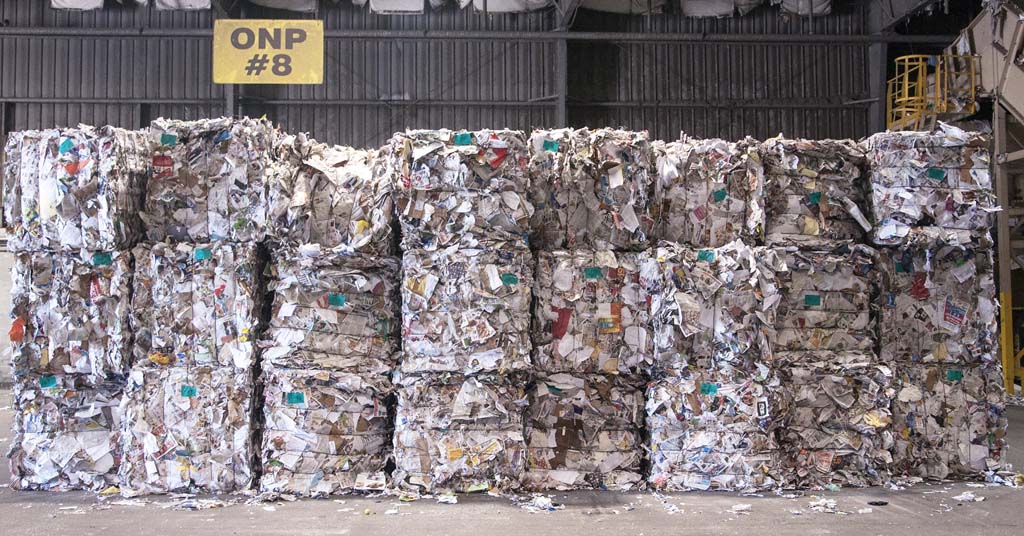
Bailing out: Complex sorting rules may drive some consumers away from recycling. Simplifying the process could bring them in. Photo: Chris Bentley/Flickr
Washington has joined several states trying to address the crisis by making producers of packaging and other waste pay to create better recycling. These companies will soon be required to fund a nonprofit Producer Responsibility Organization, or PRO, which will invest the money in improved recycling infrastructure.
The PRO will also reimburse recycling service providers for many of their costs, leading to lower bills for customers.
“And, for those who don’t currently have recycling because they don’t want to pay extra, you’ll have the option of getting a bin at a reduced rate,” says Steward.
Several states with laws resembling the Recycling Reform Act have selected the nonprofit Circular Action Alliance to act as a PRO, and Washington will likely choose this or a similar organization.
A Circular Action Alliance spokesperson said lessons the nonprofit has learned in other states can help Washington, and that gathering data about current recycling rates is key.
“These baselines will inform planning [for future recycling services] and ground the system improvements in real-world conditions,” the spokesperson told Columbia Insight in an email.
Once a PRO is established in Washington, it will determine how much each producer puts in the fund that pays for recycling. Companies that make difficult-to-recycle products will be required to pay more.
“This will incentivize companies to produce materials that are easier to recycle,” says Trim.
By 2030, Washingtonians will have a simplified list of what can and cannot go in blue bins, which will be the same across the state.
“What will probably happen is big cities like Seattle, where you can currently put a lot of things in your bin, might have a shortened list,” says Steward. “Meanwhile, smaller cities that right now don’t even have curbside recycling will have many more options for what they can recycle.”
Oregon further along
Six other states have “extended producer responsibility” laws that are similar to the Recycling Reform Act. While details vary, each law requires producers to fund curbside recycling infrastructure by paying into a PRO.
In addition to Washington, states with extended producer responsibility are Maine, California, Colorado, Minnesota, Maryland and Oregon.
Oregon’s Recycling Modernization Act, passed in 2021, is the extended producer responsibility law furthest along in its rollout process.

Celeste Meiffren-Swango. Photo: Environment Oregon
“We’ve been working closely with local governments, service providers, recycling processing facilities, producers and other interested parties to implement the law,” says Katie Romano, an outreach specialist at Oregon’s Department of Environmental Quality.
On July 1, companies that produce packaging, paper and food serviceware for sale in Oregon began paying fees to the Circular Action Alliance.
The state has until 2027 to finalize other changes, like a uniform list of items accepted for recycling.
“Implementing the law is more of a dial than a switch, but it’s already well underway,” says Celeste Meiffren-Swango, director of Portland-based Environment Oregon.
One area where Oregon is ahead of Washington is building in-state infrastructure to turn recyclables into new products.
Portland is home to Denton Plastics, which processed 1.4 million pounds of material in 2023. The company recently announced plans to expand to accommodate more recyclables.
Washington doesn’t have a facility comparable to the Denton one.
“We have good markets for recycled paper, thanks to our pulp and paper mills,” says Trim. “But we don’t have many facilities that recycle plastics. There’s now going to be a business incentive to build more, because we’ll soon have significantly more material to recycle.”
Much work remains to be done to get in place all of the infrastructure needed for recycling reform.
“Washington has never had a shift of this size in how recycling happens,” says Steward. “There are challenges, but I think if we work as a team we can get make the rollout of this new law successful.”