
An out-of-state group angry over the end of spring bear hunts says the commission is guilty of “politicking” and “backroom dealing”

Whose wildlife? An Ohio-based hunting group is unhappy with game managers in Washington. It’s calling for an investigation of state commissioners. Illustration: Mackenzie Miller
UPDATE: August 15, 2025. Citing Columbia Insight’s reporting, the advocacy group Washington Wildlife First called for the removal of Washington Department of Fish and Wildlife Director Kelly Susewind. “Director Susewind has long made clear that he prioritizes the interests of trophy hunters above his responsibility to protect Washington’s wildlife and his duty to represent the interests and values of Washingtonians,” said WWF Science and Advocacy Director Dr. Francisco J. Santiago-Ávila in a press release. “We are surprised only that he is willing to be so overt in working with a trophy hunting group to eliminate all the commissioners who challenge his iron grip on Washington’s wildlife policy.” —Editor
UPDATE: August 14, 2025. At 1:08 p.m. today, following Columbia Insight‘s publication of this story (under a different headline), a spokesperson from Gov. Ferguson’s office confirmed to Columbia Insight via email that the governor had received the letters discussed in this story and authorized an investigation into the conduct of WDFW commissioners. “The governor takes concerns from an agency director very seriously. The governor has directed Washington State Human Resources to conduct an investigation,” wrote the spokesperson. —Editor
By K.C. Mehaffey. August 14, 2025. If Wash. Gov. Bob Ferguson wanted to end the drama at the Washington Fish and Wildlife Commission by ousting two of former Gov. Jay Inslee’s appointments and bringing on members friendly to hunters and anglers, his plan hasn’t exactly panned out.
In May, the Columbus, Ohio-based Sportsmen’s Alliance petitioned the governor to remove four more members of the commission, claiming they violated state laws and “demonstrated incompetence, misconduct, and malfeasance in office.”
The saga continues, according to four letters leaked this week to Columbia Insight.
Last week, Washington Department of Fish and Wildlife Director Kelly Susewind sent a letter to Ferguson asking him to investigate the matter.
“[T]he documents produced pursuant to recent public disclosure requests call the conduct of several Commissioners into question. I have reviewed a sufficient number of these documents to believe further investigation is warranted,” Susewind wrote in his Aug. 9 letter.
Yesterday, Melanie Rowland and Lorna Smith—two of the four commissioners implicated by the petition—sent a letter to Ferguson calling Susewind’s request “highly inappropriate.” They denied any misconduct or malfeasance, and asked the governor to review the record and issue a statement supporting all nine commission members.
“The ‘petition’ is filled with innuendo, out of context quotes from highly redacted documents, and claims not supported by those documents,” wrote Rowland and Smith in their letter to the governor.
Their letter follows separate letters that Commission Chair Barbara Baker and member John Lehmkuhl sent to Ferguson in May and early June, each defending themselves against the allegations made by the alliance.
“The petition cites and attaches ‘documents’ that, rather than supporting their arguments, draw the opposite conclusions,” Baker wrote, adding, “Petitioners certainly qualify as an interest group. A large, out of state interest group involved here because they disagree with a decision this commission made almost 3 years ago. They set up a litigation team to fight against anything or anyone who would ‘stifle their way of life.’”
Hunters argue for right to kill mothers with cubs
With the growing voice of conservationists appointed to the nine-member body, the WDFW Commission has been embroiled in controversy. Commission meetings are fraught with derogatory remarks from the public, many of them aimed at commission members.
Last year, using a Washington Legislature budget proviso, a University of Washington research center concluded that many of the people connected to the WDFW Commission see the commission as “dysfunctional, politically polarized and caught up in conflict.”
The tension has worsened since the commission’s 5-4 vote in November 2022 to stop the recreational hunting of black bears in the spring.
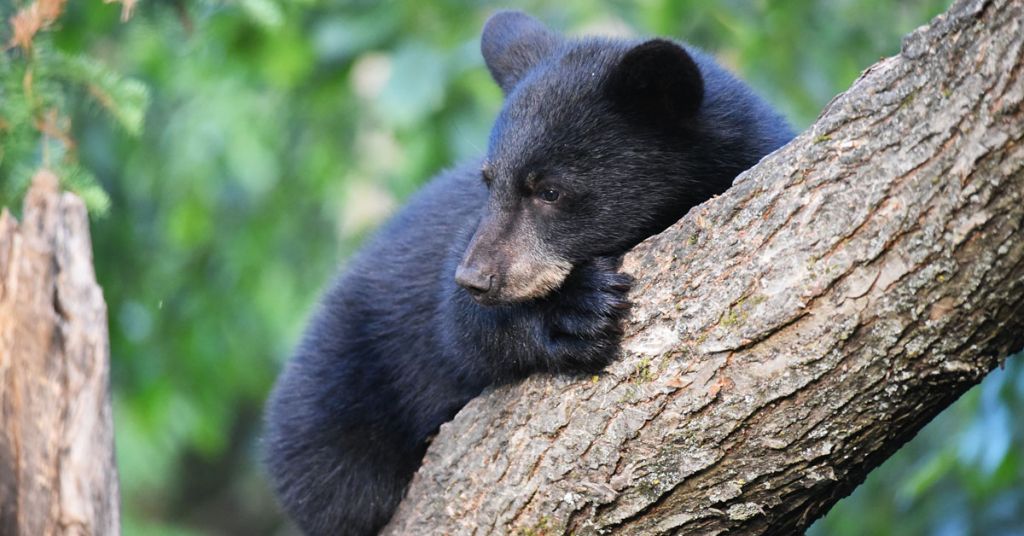
Up a tree: Motherless cubs are just one concern surrounding spring bear hunts. Photo: Courtney Celley/USFWS
The rule was adopted by the four members implicated in the Sportsmen’s Alliance claims, along with a fifth favorable vote cast by Tim Regan, whose reappointment to the commission was rescinded by Ferguson earlier this year.
Critics oppose spring bear hunts on ethical grounds, saying bears are woozy, lethargic and malnourished when emerging from winter dens. They also worry about bear cubs becoming orphaned. In 2025, the WDFW Commission proposed making it illegal to shoot bear sows with cubs.
In a March 2025 post on its website, the Sportsmen’s Alliance wrote, “We also oppose the proposal to make it unlawful to kill or possess a cub or a female bear accompanied by a cub.”
Sportsmen’s Alliance complaints
After the cancelled spring bear hunt, the Sportsmen’s Alliance filed a public records request with WDFW in September 2023 asking for emails, texts and other communications that commissioners had among themselves and with others.
According to the group, WDFW identified some 471,000 records relevant to its request.
In May 2025—after filing a lawsuit against WDFW for failing to comply with the request in a timely fashion—the alliance said it received roughly 17,000 records.
The group claims these communications demonstrate how the four commissioners violated the state’s Open Public Meetings Act and the Public Records Act leading up to and after their vote to cancel recreational bear hunting in the spring.
Among the documents that the Sportsmen’s Alliance received was a draft policy for the spring bear hunt, which—the alliance claims—is part of the record showing a “routine disregard” for the commission’s mandate to maximize fishing and hunting opportunities.
“The issue is not simply hunting vs. not hunting. It reflects a conflict between the traditional view of sustainable hunting impacts on a population, vs. a sociological consideration of animal welfare and hunting ethics by hunters and non-hunters alike,” the commission’s draft policy stated.
The draft policy noted that of 42 states with black bears, only eight allow the hunting of black bears in spring for recreation.

Clever like a Fox? This screenshot from the Sportsmen’s Alliance website is part of a campaign to discredit members of the WDFW Commission. L to R: Barbara Baker, Melanie Rowland, Jim Lehmkuhl, Lorna Smith. Screenshot: sportsmensalliance.org
In his letter to Gov. Ferguson, Commissioner Lehmkuhl called it “ludicrous” to claim collusion on the spring bear hunting decision.
“The Commission had three votes and two discussions about spring bear hunting during open meetings from November 2021 (when I was not on the Commission) through October 2022,” he wrote, adding that all of the commissioners knew how each commissioner would vote.
Lehmkuhl told the governor that his voting record over the last three-and-a-half years shows he’s strongly supported the mandate to maximize fishing and hunting opportunities when they’re consistent with the mandate for conservation and good management.
A total of 35 documents are linked to the Sportsmen’s Alliance petition, most of them meant to demonstrate the four commissioners’ failure to produce emails and texts, or alleged violations concerning communications outside of public meetings.
Under Washington’s Open Public Meeting Act, a majority—in this case five or more commissioners—constitutes a quorum, requiring a public meeting and public notification.
The petition claims that the emails show the four commissioners routinely met behind-the-scenes to “discuss, deliberate, propose, plan, and count votes” on issues, and then passed the information on to other commissioners.
“[T]hree or four Commissioners hold a private meeting on an issue and then send one or two of that group to go lobby other Commissioners to ‘create’ a majority of five or more … technically skirting the legal requirement,” the petition states. “The result, unfortunately, is that the actual Commission meetings are clearly nothing more than a sham, with a preordained decision well in hand before the public is invited or allowed to participate in any meaningful way.”
For example, the petition notes, less than three weeks before the vote ending the spring bear hunt, Lehmkuhl shared a draft policy with former commissioner Tim Ragen. It says that Baker reviewed the draft and provided comments, and also asked Lehmkuhl to speak on the phone.
A few days later, Smith sent an email to Rowland, Lehmkuhl and Ragen with a motion she planned to offer at the next commission meeting.
“I fully suspect that in the end it will come down to a 5-4 vote. For so many reasons, we cannot afford to lose on this one. Feedback?” Smith said in her email.
“What this string of communications clearly shows is that a majority of Commissioners (five) were involved from the outset with a daisy-chain technique to form a majority voting bloc,” the petition states.
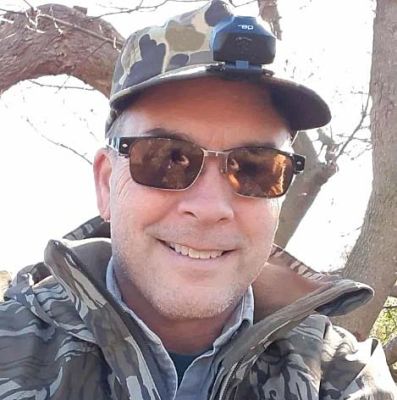
Todd Adkins. Photo: Sportsmen’s Alliance
But in her letter to Ferguson, Commissioner Chair Baker—who is an attorney—asserted that it’s legal for one to four commissioners to have private conversations about issues.
“[I]t is expected and routine,” she wrote, adding, “The petitioner may not know that the commission has a ‘no surprises’ agreement that requires any commissioner who intends to make a motion at a decision point to not surprise the rest of us.”
She wrote that the commission member usually calls her to let her know about the motion so votes can be sequenced in a way that all sides are heard.
The Sportsmen’s Alliance petition states that the governor may remove any state officer “for incompetency, misconduct, or malfeasance in office.”
WDFW Director Kelly Susewind referenced the same state law when making the case that the governor’s authority to remove commissioners is ultimately what makes the WDFW Commission accountable to the public.
“Our ability to meaningfully serve the public in this environment requires trust in the Commission and that they have integrity in their governance and decision making. It is simply not reasonable to expect that level of trust under the cloud of uncertainty created by the current controversy,” his letter states.
Susewind asked for an independent investigation that would provide the governor with the necessary information to decide whether to remove members of the commission.
“We’re going to keep exposing the rampant corruption of commissioners serving on the Washington Fish and Wildlife Commission,” said Washington, D.C.-based Todd Adkins, lobbyist and senior vice president for the Sportsmen’s Alliance in a June 18 post that also accused the commission of “politicking,” “backroom dealing” and other illegitimate behavior. “We will continue bringing forward evidence until the governor steps in and does the right thing.”
Commissioners defend themselves
Commissioners Rowland and Smith told Ferguson that they’re “quite disappointed” by Susewind’s request for an investigation, noting his letter “appears to be aligned with the allegations of the Sportsmen’s Alliance.”
“We do agree with Director Susewind in one respect: only a review of the record, and a statement from your office that you have full confidence in all nine members of the Commission to carry out their job can rectify and begin to repair the damage that has been done to the functioning and reputation of the Department and Commission by these spurious allegations. We believe any evidence considered in an investigation will support our view,” their letter reads.
All four commissioners attempted to explain the controversy surrounding the commission.
Rowland and Smith wrote, “Hunters and fishers have long dominated the Commission and the Department’s work, despite the agency’s primary statutory mandate to ‘preserve, protect, perpetuate, and manage’ the state’s wildlife and fish.” But the hunting public has steeply declined, they wrote, and the broader public is concerned about the threats of human development and climate change on wildlife and their habitat.
“Hunting and fishing often add pressure to the conservation of these species. Accordingly, with the Department’s secondary mandate to maximize hunting and fishing opportunities, it has become more difficult for managers to satisfy both consumptive and nonconsumptive user groups,” wrote Rowland and Smith.
“Our commission is likely the most controversial governing body in the state. We deal with extremely tough issues—issues which attempt to deal with accelerating losses of wildlife and ruined ecosystems as a result of huge population growth and the negative effects of climate change,” wrote Baker.
“But despite discussions and entreaties at every meeting to sit down and listen to each other to understand and then resolve differences, we have (obviously as evidenced by this petition) been unsuccessful in this effort,” continued Baker.
Baker asked for the governor’s help in leading a broad-based conversation with several state agencies to re-examine the role of the state in natural resource management.





Sportsmen? They’re hunters. Sportsmen could run a hundred yard dash in less than two days. These guys? Ha!
I support the Washington Fish and Wildlife Commission’s decision to limit spring bear hunts. aI resent the Sportsman Alliance’s meddling in wildlife conservation in Washington. If they want a spring bear hunt, then make arrangements with Ohio’s fish and game management entity to hunt bear in the Alliance’s home state of Ohio or some other state that pays less attention to both ecological and ethical considerations in setting hunting and fishing priorities.
Spring bear hunts do not qualify in any rational sense as sportsmanlike. The out-of-state hunters need to find a rational outlet for their emotional “need” to kill disadvantaged wildlife. Or maybe just find a more fulfilling hobby.
Bear hunting isn’t just a sport or a fun hobby, it’s a needed tool for proper wildlife management. The bear populations have been going crazy, and as a result the deer and elk populations suffer. Some of the commissioners keeps trying to make it worse by limiting the options that we have to manage the bear populations.
Check your facts! Here is the reality The bear population isn’t “going crazy.” WDFW’s current estimate of the WA bear population is 22,000: https://wdfw.wa.gov/species-habitats/species/ursus-americanus. That is down from 25-30,000 a decade ago: https://wdfw.wa.gov/sites/default/files/publications/01769/wdfw01769.pdf (p. 230).
Most bears don’t die natural deaths–humans are the #1 cause of bear mortality. If we would just leave them alone, their populations would regulate themselves; instead we let people kill them as a “fun hobby.” Bear mortality has gone way up over the past few years as hunting has increased even without the spring bear hunt. Look at WDFW’s “harvest” reports: https://wdfw.wa.gov/hunting/management/game-harvest. And WDFW biologists have been warning for years that because bears reproduce so slowly “by the time a decline is detected, bear numbers may have been reduced to a point where it could take as long as 15-years to recover the population. https://wdfw.wa.gov/sites/default/files/publications/01676/wdfw01676.pdf (p. 103).
The idea that we need to kill bears in the spring to save deer and elk is pure propaganda. Not even Susewind claims that anymore, since he was called out on his lies in 2021. In fact, his biologists worked with UW scientists for five years studying predator impacts on prey. Their conclusion? What is limiting deer and elk populations is habitat and food, not predators. Here is a story about one of the articles published: https://www.spokesman.com/stories/2024/jun/28/study-food-availability-more-important-than-predat/
Don’t let the Sportsmen’s Alliance feed you lies. Do your own research and think for yourself!
THANK YOU, K.C. MAHAFFEY AND COLUMBIA INSIGHT FOR YOUR DETAILED AND USEFUL REPORTING!
Instead of taking the bait in a political tit for tat over spring bear hunting and F& W Commission disagreements over hunting/angling regulations, Governor Ferguson could better serve the current and future publics by proactive leadership addressing the need for improved natural resource protection. This need includes revising all relevant agencies’ missions and budgets (e.g. WDFW, DNR, Ecology, and Parks) to reflect contemporary environmental needs. This is especially timely due to the federal government’s retreat from wildlife and environmental protection under the Trump Administration. Proactive leadership rather than reactive politics is a key to our children’s future.
Thanks!
Out of state groups should stay out or our State affairs. This was decided wisely and with due consideration. Their cruelty is unwelcome here. Thanks for letting residents know.
“Hunters argue for right to kill mothers with cubs” – an absolute and intentionally false sub-header. Hunters do not advocate killing bears with cubs. In every state with a spring bear season it is illegal to kill a sow with cubs. Such a clear bias by the author.
As quoted above in a linked press release, the Sportsmen’s Alliance has indeed argued for the legality of killing sows with cubs: “We also oppose the proposal to make it unlawful to kill or possess a cub or a female bear accompanied by a cub.” Editor
There are several, many, multiple out of state groups that advocate to end various forms of hunting in WA. This article is so slanted that support is given by one out of state group (that has a large backing in WA) to protecting the heritage of hunting its laughable. It’s like saying the Humane Society can’t way in on animal rights in WA. They aren’t based in WA so axe their voice too. There are SA chapters in WA just like there are AHS chapters. Second no Sportmans/Hunter has ever advocated for the killing of Sows with cubs or cubs. In fact it’s illegal in WA so again nice click bait. Last the biologist (science) support a spring bear hunt in WA. It’s social to not have it. The reason why the other 42 states don’t have it is because they don’t have the bear population Is WA has to support it. Just like some states don’t have the population of turkeys to offer a fall hunt even though that is more traditional than spring hunting for turkeys.
As quoted above in a linked press release, the Sportsmen’s Alliance has indeed argued for the legality of killing sows with cubs: “We also oppose the proposal to make it unlawful to kill or possess a cub or a female bear accompanied by a cub.” Editor
Spring bear season aside, which was a specialized hunting tag that hunters had to draw for.
The management of predators in Washington, especially cougar and black bear, has devastated Elk populations to 0, zero, calves surviving their first year and heavy loses on deer calf’s in a number of game units. 35% need to survive just to maintain numbers.
It has been documented in Oregon that cougars will kill the calves, and black bear steal the kill shortly afterwards after the calves are able to run and move. Before they can… The bears will be waiting on near by hills sides, waiting for these calves to be born. The calves naturally have limited scent for protection, but the bears can follow the mothers and smell the milk swelling and year after year, use the same location or type of location to give birth… Bear’s know where the food is as does every species in existence. They maintain a routine and memory. This is survival. More predators, less of those who feed them. As humans have impacted ALL species, it is our job to manage it in a trifecta. It is part of all game commissions on all states to enforce and balance the species and as hunters, as another tool, to be used for the betterment of maintaining all species impacted. Even those that are non-game species.
Their statement about preserving wildlife is insulting as it will create areas where wildlife cannot maintain balance that we have infringed upon. We have a duty, regardless of consumptive or non-consumptive individuals to aid in this more than most others. We each have been over opted for what cause to follow. This does not mean we should ignore them, yet be willing to accept a level of compensation towards those causes to ensure their continued place within our society and planet.
They think it’s inappropriate for OUTSIDE funding or interference in policy, law or imposing ideals? Did they forget that MAJORITY of the commissioners public meets are FULL of lobbyist of wildlife preservation and “non-consumptive” representatives that only infringe upon the balance the commission should maintain and instead side with their policy and ideology for policy instead of science? That are funded from out of state sources? WHICH IS THEIR SWORN DUTY? To uphold the science above all for the North American game model? The majority has failed to even try to hold steady and has instead used underhanded, FELONY level tactics to achieve their opinions? Not facts? ANYONE with even an 8th of a brain can figure out their agenda was paid for by those out of state by one means or another. That opinion matters far more then upholding the quality of wildlife they are positioned to sustain and maintain.
This farce is the Washington State Game Commission should end. The sure way is to show that their position is to uphold the rights of the animals that have promptly ignored. Their sworn duty they have disregarded. And charged as the criminals they deserved to be treated as to ensure the continued growth and management of all species they were to serve as their duty.
Did the article not say that individuals of the commission were asked by the lead to delete public records on more than one occasion that IS a felony level crime? Guess the article writer forgot those details.
The spring bear hunt in question was Department recommendation to stem devastating predation on elk calves in the Blue Mountains. Not allowing the hunt was a clear violation of their legislative mandate.
Again:
I’m a hunter. Turkeys are pretty much the only other spring game animal. We don’t hunt wildlife in spring because that is when they recover from winter, mate, and raise young. I watched a commission meeting years ago where Susewind was whining about how the hunt should continue because he personally liked to harvest spring bear. It was cringe.
He and his buddies aren’t used to being told no. This is literally the only thing this “anti-hunting” commission has taken away from them. It was three years ago, and they haven’t stopped crying about it since. Nobody tells them what they can and can’t kill! Now SA is using this to fundraise off the poor suckers who believe their propaganda. They are playing it up nationwide as this big threat to our way of life. What a joke.
SA is making all hunters look bad. There aren’t many of us left in WA, and we are mostly old white guys. Nothing will make the public turn against us faster than doubling down on this issue. If you want to play into an “anti-hunting” agenda, this is how to do it boys! Stop and think for yourselves!
You have a bear hunt already – in the fall. The spring bear hunt can lead to females sows being killed leaving cubs without moms, which can lead to increased bear-human interactions. In addition there are other reasons why the spring bear hunt has been ended. No one is taking your ability to hunt a bear away from you.
Thank you so much for this truthful revelation of how Director Susewind and his allies in the Sportsman Alliance are smearing honest hard-working volunteer Commissioners who are trying to represent ALL of the public and wildlife, not just hunters. The accused Commissioners are the victims of an orchestrated smear campaign designed to give the Director more power than the legislature ever intended the WDFW director to have, on behalf of a tiny minority of Washingtonians and out-of-state trophy hunters. These same Commissioners gave approval to kill TWO bears PER YEAR in the Fall hunt season. Shame on the governor, for rewarding bad behavior and for not supporting Commissioners obeying their primary legislative mandate to preserve, protect, and perpetuate fish and wildlife stressed by human impacts and climate change. These Commissioners are NOT anti-hunting at all, they are hard-working unpaid public servants who closely followed the advice of WDFW’s state attorney regarding the Open Public Meetings Act. It is the Director who works behind the scenes to questionable ends, and whose doings require investigation.
These commissioners did not give anything. The fall bear hunt has always allowed for two bears. This year they cut the harvest on bears from eastern WA allowing only one bear can be taken. So eastern WA bear hunters have lost opportunities.
All this while deer and elk herds or being devastated by predators. The Blue Mountain elk herd has zero calf survival because of predators and this Commission has done nothing.
The Four Commissioners in question openly berate hunters and hunting groups. And openly push a non consumption agenda. Not just for wildlife but for fish and shellfish too. If these commissioners and their special interest groups get their way ,there will be no hunting ,fishing ,crabbing or any other consumption in Wa.
Even Commissioner Linville went on podcasts and complained about these four commissioners and their back door deals.
People of this state were taking time out of their lives to drive miles to comment at Commission meetings ,only to find out the decisions had already been made and any comment the public had was no consequence to these commissioners.
Long before Sportsman’s Advocate got involved, podcasts across the western US were talking about what this commission was doing to hunting in WA. Only after hundreds of sportsmen and women contacted and joined Sportsman Advocates for help did they get involved.
There is no smear in the works, there are folks who have hunted and fished and protected habitat for years standing up and calling foul. These commissioners listen to no one but the anti Consumptive groups, they disregard recommendations from staff and the director. And when they get caught, they smirk and say not us.
Public comment or staff comment means nothing to them if it’s doesn’t fit their personal agendas. Washington State wildlife deserves better than these four. They are a nation wide joke.
@Bruce and @Bobby. Sorry, but you are confused. Susewind bamboozled the commission into allowing more COUGAR hunting in the Blues based on one year of data showing low calf survival. The next two years of data showed that this was an aberration: https://www.spokesman.com/stories/2025/mar/03/blue-mountain-elk-study-raises-more-questions/
Did he correct himself and pull back the rule allowing more cougar hunting? Of course, he didn’t. Nobody credible (or, even, Susewind) suggests that bears are depressing the elk population in the Blues, or that the spring bear hunt will fix that.
You guys don’t get it, but the Sportsmen’s Alliance is turning you into the joke, and using you to fill their coffers. You really think the best way to preserve hunting is to get into a fight over spring bear hunting, which only 6% of the people in the state support? Stop falling for everything that these nuts say hook, line, and sinker, or you are going to play right into he hands of the people who really do want to end hunting. That doesn’t include the WDFW commission, which does what hunters want 99% of the time.
I am life resident of WA. I have hunted since I was 12 years old. I volunteered for the state and taught Hunter Education for 26 years, I was also Master Hunter for many years.
Sling bear seasons were draw only hunts, the department set the amount of permits for each area of the state. At no time in the 30 or more year history of this hunt did biologists ever indicate this hunt had any effect on lasting bear populations in WA.
Just because a permit was issued ,doesn’t mean a bear was harvested. In fact most spring Bear permits went unfilled every year. I have drawn two permits in 55 years of hunting and only filled one.
My partner drew a permit and harvested a bear. Both these bears were very active, they were very nourished.
During my hunt in one day I saw four different bears in one location .
I hunt with a lot of hunters on and off, and I know of no hunter that targets sows or sows with cubs. But a black bear is a black bear. The only way a hunter can tell a sow from distance is the presence of cubs.
For years game laws requested that hunter not shoot sows with cubs . Now the law says illegal to shoot a sow with cubs.
There is no evidence provided by this Commission that Spring Bear hunts were ever a problem for bear populations. No science came into play in the decision to end this hunt. In fact department biologists supported this hunt reduce tree damage.
This hunt was taken away by five commissioners who have a non consumptive agenda, and who do back door deals to get their way.
There is nothing wrong with WA Department of Fish and Wildlife Staff or director. But they certainly deserve support from a better commission. Why do we pay for biologist and a Director if the Commission will not follow their recommendations.
The Foul Four my go before any trust can be returned to the Commission.
This commission votes with their feelings and disregarded the biologists to fulfill their agenda to eliminate hunting. The areas that needed preditor control for ungulates fawn recruitment was the reason for the spring hunt. This is a critical time and a great time to put pressure on predators being that the spring bear hunt had a low harvest rate. Disregarding a tool the commission could have used to help the ungulate population that was rapidly declining reported by the biologists. Voting for their agenda and against the biologists. Their are no evidence that they are lethargic during the dates of the hunt. Any person that has hunted that season knows this. This commission votes on an opinion of something they know nothing about going against the biologists recommendation that it was a viable, sustainable hunt and a tool needed to help the herds in distress. This commission has proven to be corrupt and needs to be appointed by the people not a hand picked commission by the governor to support his agenda to reduce hunting at any cost.
Too bad the writer left off the end of the statement about the purpose and mission of WDFW…you know, the part about providing sustainable fish wildlife for recreation and commercial opportunities. Too bad the writer selectively left out that the Doirtsman Alliance while based in Ohio is a NATIONWIDE group with its membership. Anyone who watches a commission meeting can clearly see decisions are predetermined. The public records request has produced enough evidence to warrant investigation.
I watched commision meeting 2 years ago where a WDFW biologist did a presentation on the bear population and why they supported the state having the spring bear limited draw hunt, like they did before. The commisioners continuously interupted him and were clueless to a bears behaviors and lifecycle. Anyone ever watched a black bear in june? Their constantly moving and feeding. The claim of being “lethargic” during the spring bear season, which is around, June is ridiculous and is not supported by the WDFW biologists.
Nobody targets cubs or sows with cubs. It wasn’t illegal in the past so if someone made an honest mistake they wouldn’t be subject to a pendalty. It is now a violation as of 2025. Hunters aren’t trying to kill cubs directly or indirectly.
Sportsman’s alliance has chapters in several states, including Washington. Its not some big corp in Ohio trying to get Ohio hunters to come hunt bears in WA. WA hunters are asking for help in navigating the process of getting the commision to be held to the mandate of managing hunting opportunity at a level that the WDFW biologist studies show the bear population support.
The WDFW biologists support regulated hunting within certain seasons and tag allocations. Its not a free-for all. Thousands of hunters either write in, call in, or show up in person to the commisioners and other state officials and its frustrating to see this feedback ignored.
I support hunting and the Sportsmen’s Alliance helping hunters (most of us aren’t super tech savy) get our voices heard.
As quoted above in a linked press release, the Sportsmen’s Alliance has indeed argued for the legality of killing sows with cubs: “We also oppose the proposal to make it unlawful to kill or possess a cub or a female bear accompanied by a cub.” Editor
Incredibly biased article. The emphasis on the Sportsmen’s Alliance being based in another state is incredibly disingenuous. Where’s the reference to anti-hunting groups being based out of state? Where’s the mention that many Washingtonians are members of the Sportsmen’s Alliance?
WDFW’s own biologists argued for a spring bear season based on the large bear population and its damage to ungulate populations. The commission voted against it based on emotions.
Nobody is arguing for the killing of cubs or sows with cubs. NOBODY. What they are saying is that hunters shouldn’t be criminals for killing a bear and then learning later that it had cubs.
As quoted above in a linked press release, the Sportsmen’s Alliance has indeed argued for the legality of killing sows with cubs: “We also oppose the proposal to make it unlawful to kill or possess a cub or a female bear accompanied by a cub.” Editor
There is nothing these “Sportsmen” don’t want to kill. From the linked press release: “We also oppose the proposal to make it unlawful to kill or possess a cub or a female bear accompanied by a cub.”
Their reasoning seems to be that as long as there are enough bears, there is no reason not to kill cubs, or leave them orphaned to starve. How unfair of WA to deprive them of their “opportunity” to kill newborn cubs, after all, when a stuffed mother and cubs could make such a nice display in their man cave!
Watch this podcast: The last 15 minutes or so is a Sportsmen Alliance Neanderthal bragging about killing rare birds “for his wall” and showing off all his “trophies.”
I know many ethical hunters, but these people have no respect for wildlife or nature. To them, hunting is not about food, it is about the thrill of the kill and their ridiculous trophies.
I can’t believe our director of wildlife is in league with these pathetic, overcompensating clowns. Wake up, Gov Ferguson, we are better than this!
Whoops. Link to podcast: https://open.spotify.com/episode/6sGPtzcmwDBfnc8xibuVxa?si=BqHcecKRRYeF7KtqhTtCRw
The more you learn about these guys, the more disgusting it is that our state wildlife director is now their lackey.
Whoops. Link to podcast: https://open.spotify.com/episode/6sGPtzcmwDBfnc8xibuVxa?si=BqHcecKRRYeF7KtqhTtCRw
The more you learn about these guys, the more disgusting it is that our state wildlife director is now their lackey.
Does Ferguson have no pride or self respect? These are the same Jan. 6 crazies who were calling him “Sideshow Bob,” and worse, a few months ago. Why is he groveling to them? Do they have something on him, or has he gone full MAGA on us? Such a disappointment! Let’s make him a one-term governor!
Thanks for this story! These issues don’t get reported on enough. I followed the spring bear debate. Susewind and his cronies lied to the public for years that it was necessary for “management reasons.” And the good ole boys on the commission just rubber stamped it every year without thought.
Then Inslee finally appointed a few commissioners who actually cared about doing their jobs. When they asked Susewind and his team to explain what the management reasons for the hunt were (in 2021-22) and show how they were being achieved, they had nothing to say. Turns out their rationale was decades old, and they couldn’t support any of it.
So don’t believe the garbage that commissioners canceled this hunt based on “feelings,” not science. Science showed there was no reason for the hunt. And what these people call “feelings,” the rest of us call ethics, values, and basic decency. Most Washingtonians (80%) oppose spring bear hunting because it orphans cubs and targets starving bears just coming out of hibernation. When we had it, bears were being hunted every month they weren’t hibernating except July!
What these guys mean when they say that science “supported” the hunt is that the bear population could withstand it. They think they should be allowed to do anything they want to wildlife as long as it doesn’t cause extinction! To them, bears are just objects for their “sport,” not living, feeling creatures. They have no concept of decency.
Susewind has a personal stake in this. He is a bear hunter who is looking out for his own interests and those of his buddies. It’s despicable that he has become a toady for this national gun rights group.
The real reason for spring bear hunts? The bears are easier to kill because they are starving and it’s mating season. Oh, and they have nicer hides and claws for that rug in your man cave. Hear it straight from the bear hunters themselves: http://www.bear-hunting.com/2021/1/most-asked-questions-about-spring-bear-hunting
These guys are so socially insulated that they don’t understand that this sounds monstrous to most of us. They don’t represent hunters, most of whom don’t do it for rugs and trophies, and don’t spend their time smearing volunteer commissioners just trying to do their jobs. At least two hunters on the commission voted against the spring bear hunt in 2021 and 2022! Are those guys anti-hunting? Or maybe they are trying to reel in the crazies before they make all of us anti-hunting.
Good for the commissioners who stood up to Susewind! What is Ferguson thinking by backing this vendetta? I have to assume he doesn’t understand he is aligning himself with the NRA/MAGA crowd.
Washington Black Bear Harvest Data Analysis
Harvest Data (2013-2024) and hunter success rate:
2013: Total=1,234, General=5.5%, Spring=19.7%
2014: Total=1,471, General=6.5%, Spring=20.2%
2015: Total=1,536, General=6.8%, Spring=22.4%
2016: Total=1,501, General=6.6%, Spring=27.5%
2017: Total=1,424, General=6.4%, Spring=28.5%
2018: Total=1,483, General=7%, Spring=23%
2019: Total=2,185, General=10%, Spring=28%
2020: Total=2,092, General=10%, Spring=49%
2021: Total=1,686, General=8%, Spring=28%
2022: Total=2,211, General=12%, Spring=0% (BANNED)
2023: Total=1,799, General=9%, Spring=0% (BANNED)
2024: Total=1,793, General=10%, Spring=0% (BANNED)
“`
The harvest data reveals concerning trends that intensified before the spring hunting ban. Spring success rates escalated from 19.7% in 2013 to an unprecedented 49% in 2020 – nearly half of all spring hunters succeeded. This is 3-5 times higher than general season rates (5.5-12%), confirming bears were highly vulnerable during spring.
Total harvest peaked at unsustainable levels in 2019-2020 (2,185 and 2,092 bears) – the highest in the dataset. A 2019 WDFW study found bear densities in western Washington were “nearly 50% lower than managers expected,” indicating the population was already under greater pressure than understood.
Post-ban, despite eliminating spring hunting pressure, total harvests declined to 1,793-1,799 – below most pre-2019 levels. If the population were recovering, we’d expect higher general season success rates (more bears = higher hunter success) or growing total harvests. Instead, stable success rates with declining totals suggest fewer bears remain available.
The commissioners acted on sound scientific evidence. The combination of escalating spring vulnerability, peak harvests coinciding with lower-than-expected densities, and post-ban population indicators all justified the ban. The 2019-2020 harvest levels appear unsustainable, and the population shows continued stress even with spring hunting eliminated.
The recent conviction of a person in Bellingham illegally buying various bear organs and parts for foreign export puts a new slant on this issue. How many of these out-of-state bear hunters are now seeing dollar signs in these lucrative kills? Are they going to go after the FBI next for enforcing those laws?
More investigation required.
Can hunters at least be a good enough ‘shot’ so they dont’ end up ”missing’ the kill zone of a bear and thus leave an arrow in a mama bear? I’m not anti-hunting. But please..I am anti-torture and against wounding a mama bear.